


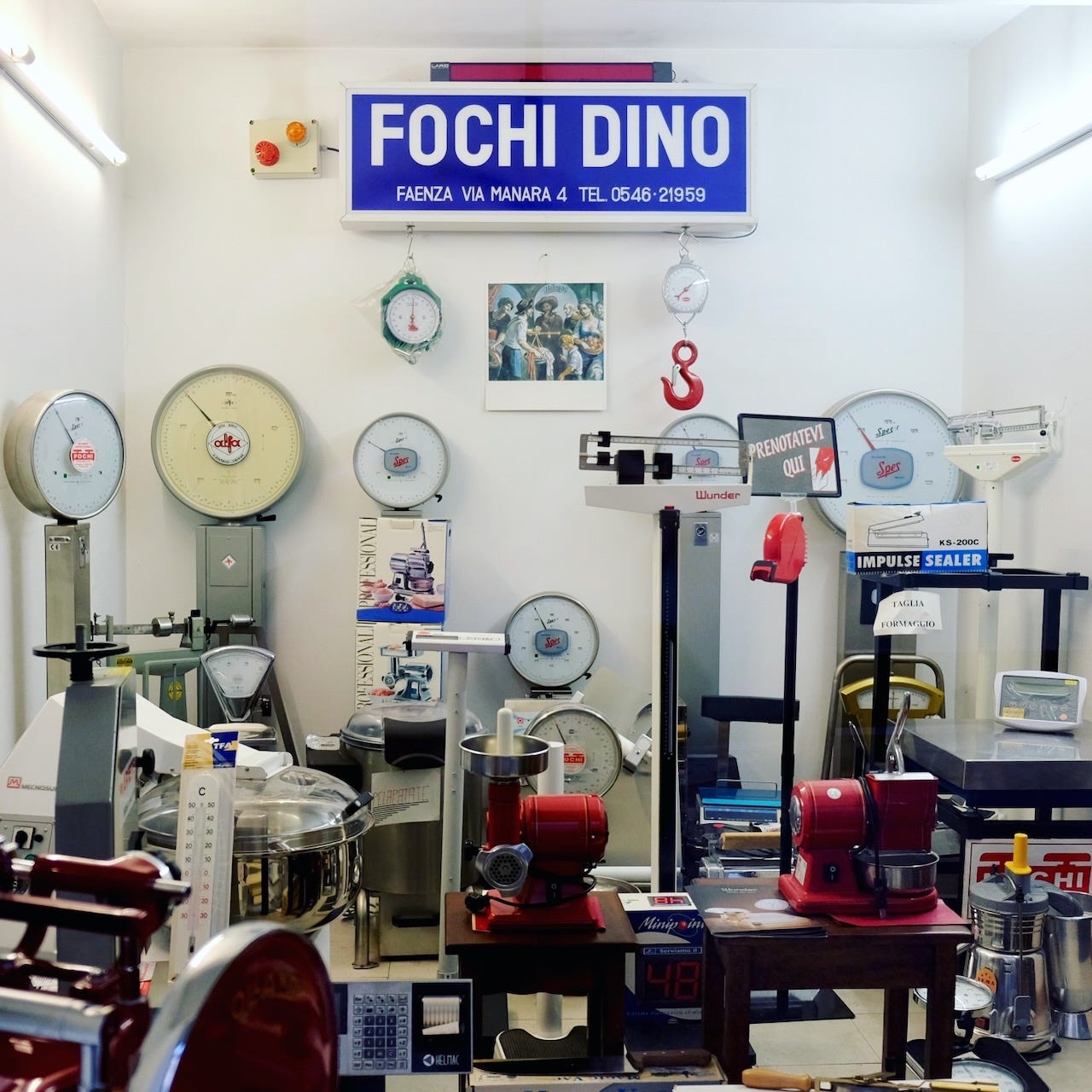
Welcome back to Notable, where twice a month I round up the best, or at least most engaging, wines from recent tasting.
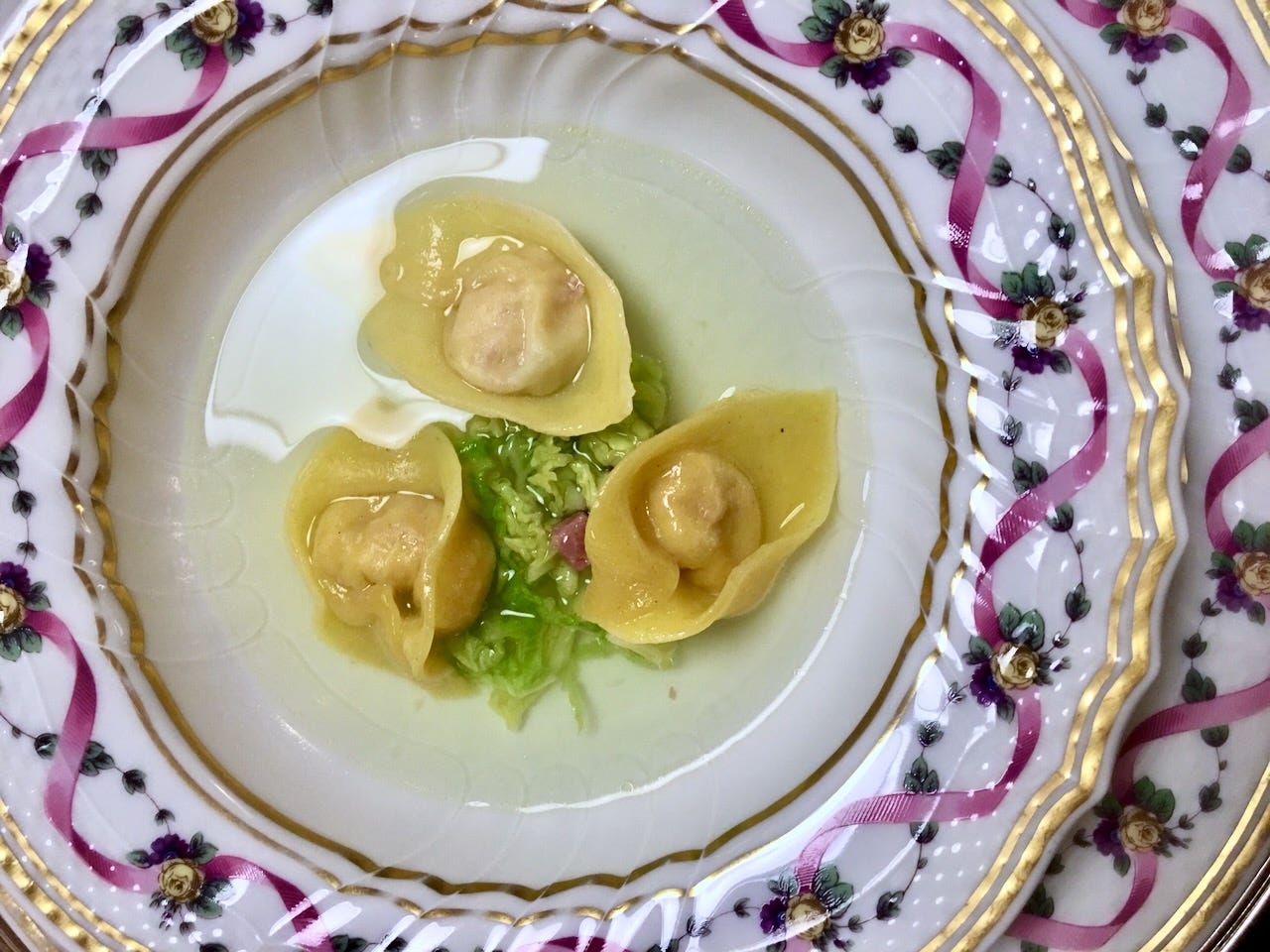
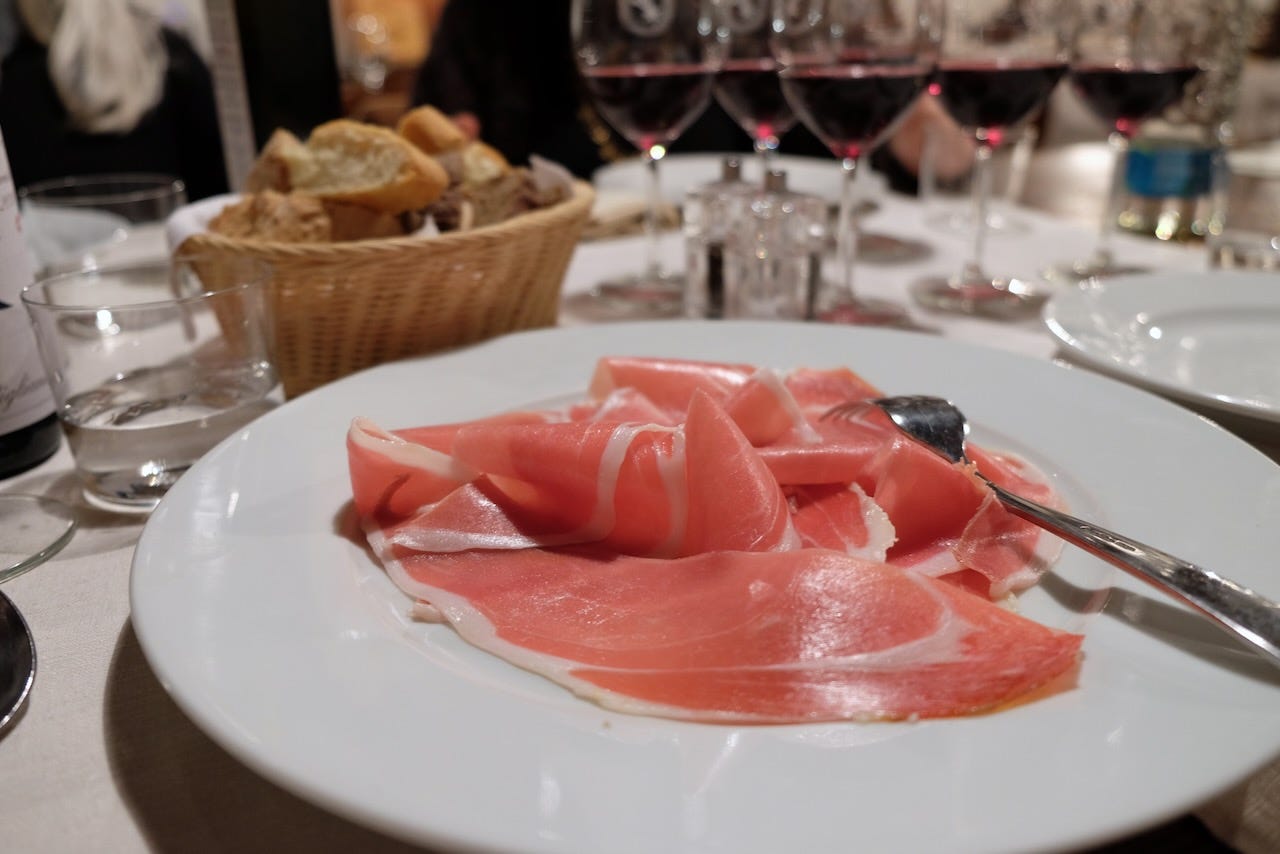
We start off with three Lambrusco (Lambruschi?) made in a range of methods: charmat, traditional method, and ancestral. They’re from a newer, organic producer, Ventiventi, in Emilia-Romagna. To honor their territory, I’ve illustrated the entire post with photos from my trip to the region in 2019. Read more about that visit, and see more photos, in Artful Wine: A field report from Emilia-Romagna.
We then turn homeward, tracking two natural wines from La Garagista, in Vermont, again both fizzy. One’s made from grapes, the other from apples, but it’s all just “wine” to makers Deirdre Heekin and Caleb Barber. Get a further taste of their work, and that of other Vermont cider makers, in a short film I made in 2020, Vermont Terroir Cider: A Moment in Time.
There’s a red wine from Quinta da Fonte Souto in Alentejo. It’s a project by the Symington family; they’re best known for port but, like many other producers in the Douro, have recently branched into still wines to meet the market.
Finally, we visit the Willamette Valley of Oregon to taste a vineyard designate from organic Bethel Heights, one of the region’s earliest Pinot producers, and an AVA bottling from Lemelson, an organic producer with a gonzo gravity-fed winery. I visited both in 2014 and have admired their wines ever since. Enjoy.
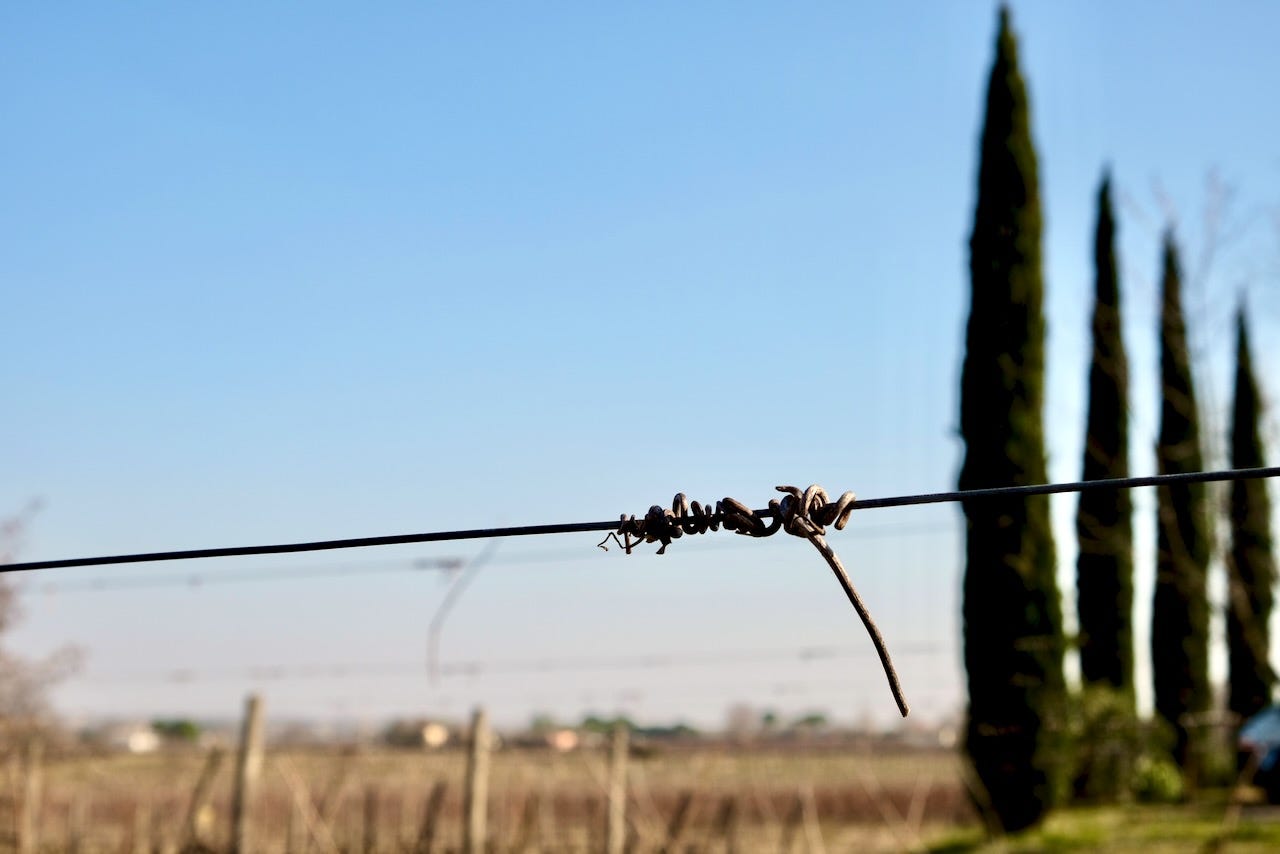
Three dry Lambrusco
Cantina Ventiventi is a new-ish project located north of Modena. The Razzaboni family bought the land in 2014, planted in 2016, and had their first release in 2020—ventiventi means “twenty-twenty” in Italian. They prioritize the local grapes Lambrusco di Sorbara, Lambrusco Salamino, Pignoletto, and Ancellotta, but also have some Pinot bianco and Chardonnay. Their 30 hectares of vines and their winery are organic certified, and they use only estate-grown fruit for their sparkling and still wines. The wines are imported into the U.S. by Wineberry and Vinea, Inc.
Ventiventi La Vie Lambrusco Rosso di Modena Brut 2024
A charmat method wine, like most modern Lambrusco.1 The grape is Lambrusco di Sorbara, one of the ten forms of the Lambrusco grape recognized in a 2010 Italian vine census. The wine erases the sweet aftertaste of the commodity Lambrusco that washed our shores in the 1980s. It’s a clear raspberry color, dry, tart, and piquant, with biting effervescence and snappy notes of cranberry and strawberry. Also: ten percent alcohol! Less is more.
10% ABV | $24 (sample)
Ventiventi Metodo Classico Lambrusco Rosato di Modena 2020
Also a varietal Lambrusco di Sorbara, this time a rosé wine made in the traditional method (metodo classico), like champagne. This is not common in Emilia and suggests the makers posit it as a prestige cuvée. This bottle was disgorged in late 2023. The wine is a pale onion skin color that twinkles pink in the busy bead. Not a creamy wine, not toasty despite the time on lees, it reads as dry, young, and vital: apple and sage, bread and strawberries sprinkled with salt. The foamy mousse fizzles out slowly, leaving pleasurable bitterness.
12% ABV | $30 (sample)

Ventiventi Happy Selvaggio Ancestrale Lambrusco dell’Emilia NV
A third Lambrusco di Sorbara, this time made in the ancestral method (metodo ancestrale), which was common in ye olden days before tank production took root. It’s deep red, the color of cranberry juice, but cloudy from the leesy sediment. The texture is huge and spumy, carrying flavors of bitter blackberry—in a nice way, like biting into blackberry flesh and crunching blackberry seeds. It’s bone dry and savory, yet it blooms in the finish with a sense of spring flowers. Drink it with salumi; wash it down.
11% ABV | $25 (sample)
Two fizzy wines from La Garagista
La Garagista farms four plots in Vermont: at their home, in Barnard, and at sites in West Addison, Bridgewater, and Vergennes. They follow organics and biodynamics, allow ambient cultures to do the work, and use no sulfites, fining, or filtration. They work with hybrid grapes that can tolerate Vermont’s gelid climate, along with apples and other fruits sourced from the landscape.
La Garagista Lupo in Bocca Frizzante Rosé Vermont 2022
It’s labeled “rosé” but it’s a skin-contact wine made from Frontenac gris, a hybrid whose grapes are light coppery-purple. The juice stayed in contact with skins long enough to take on a rich amber hue, then oxidative aging deepened the color. The wine earned sparkle in bottle. “Lupo in Bocca” is a catchy twist on an old Italian expression, In bocca al lupo, literally “in the wolf’s mouth,” used to wish someone good luck. (I mean, it’s not any crazier than “break a leg.”) Maybe I’m suggestible, but this wine has teeth. It’s active, prickly, textural. Flavors of dried apricot mingle with burning leaves, fresh and dried herbs. It’s more about structure than fruit, more about texture than flavor. Not a wine I can understand after a single glass.
12% ABV | $48 (sample)
La Garagista The Flesh and the Bone Cider Vermont 2023
An ancestral method cider made from apples grown at La Garagista’s Barnard property. It’s honeyed, with a sense of burning sweetgrass and bruised apple. Curiously both firmly malic (it is cider, after all) and also a bit lactic, the two jostling within the chewy fizz. The finish grips and foams. This cider tastes to me like autumn in Vermont, and I fully understand if you’re not familiar with that flavor but hope you taste it someday.
10% ABV | $46
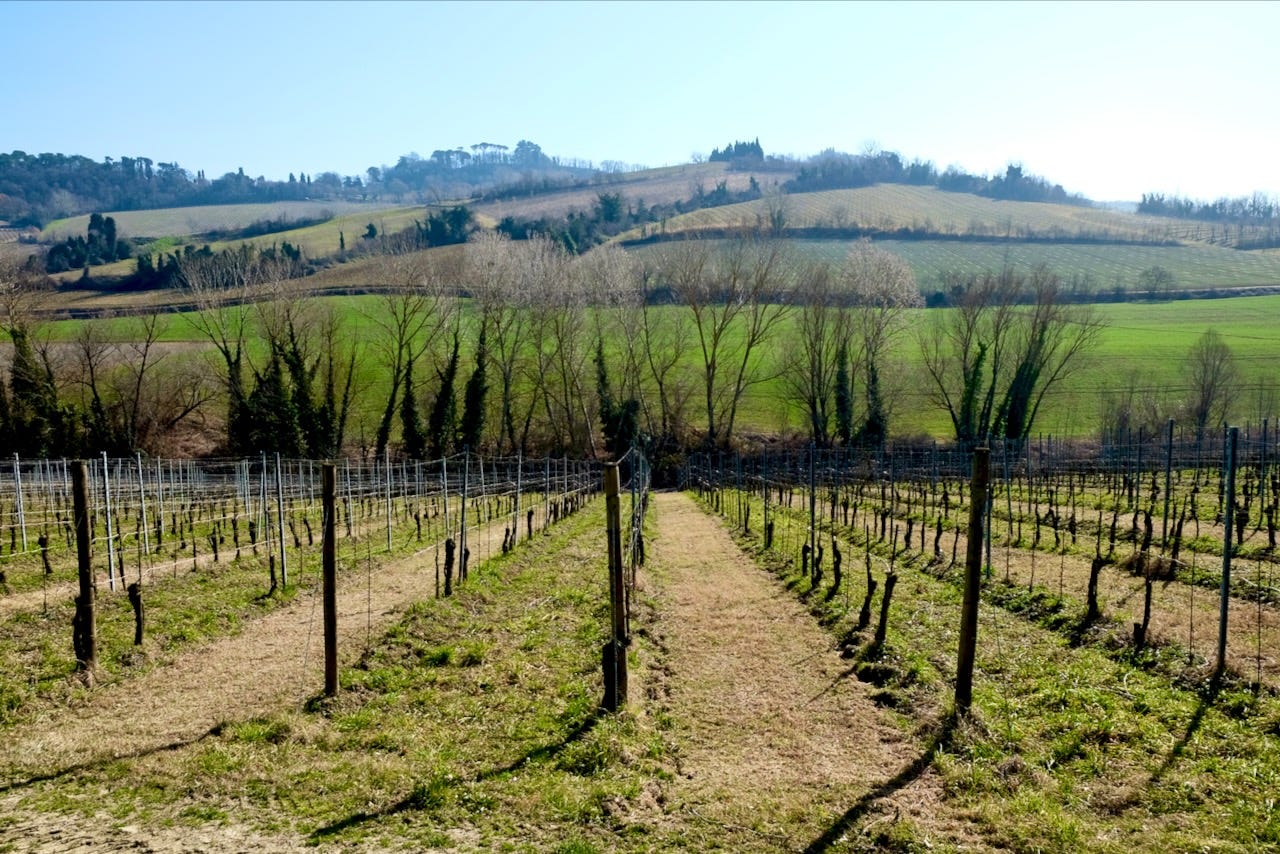
Quinta da Fonte Souto Red Alentejo 2020
And now for something completely different, a red blend from the Alentejo, south of Lisbon. It’s made from Alicante Bouchet, Alfrocheiro, Syrah, and Touriga Nacional, a blend not only of grapes but grape origins. Its robe is inky and the wine darkens into flavors of cured meat, red fruit, and black coffee. Brooding and chewy and faintly reminiscent of a Northern Rhône Syrah, it’s not an aperitif wine—it’s too savory and dense—but it’s a bold contender with roasted meat.
14.5% ABV | $32 (sample); imported by Premium Port Wines
Two Willamette Valley Pinots
Bethel Heights Pinot Noir Aeolian Eola-Amity Hills Willamette Valley 2022
Bethel Heights farms eighty acres in the Eola-Amity Hills, mostly planted to Pinot noir with a little Chardonnay and Pinot blanc. Farming is organic, LIVE, and Salmon Safe certified. Founded in 1977 by siblings named Casteel who ran it collaboratively with their spouses, it’s now helmed by the second generation, with Mimi Casteel as viticulturist and Ben Casteel as winemaker. The Aeolian bottling uses fruit from older blocks known for yielding wines of finesse. The result is dark with light flashes, or maybe the other way around. Limpid cherry color, glimmers of red fruit, flares of cherrystone acidity, but also earth, loam, coffee, and more tannin than usual in Willamette Pinot. A wine to be taken seriously.
13.4% ABV | $50
Lemelson Pinot Noir Thea’s Selection Willamette Valley 2022
Lemelson Vineyards, another organic producer, is a somewhat younger project, producing their first vintage in 2001. Founder Eric Lemelson was an environmental lawyer and advocate, and when it was time to build a winery, he worked with green building architects to create a multi-level facility that allows all grapes and wine to be moved by gravity. Thea’s Selection uses fruit from five estate vineyards. Fermentation is with ambient cultures and the wine is un-fined and un-filtered. Highly perfumed, it yields a sense of strawberry and hibiscus, cranberry, tart blueberry, with a little back-palate kick of spice—not barrel spice but fruit spice given the prominence of Pommard and Wädenswil clones. In my notes I wrote, “It smells the way red velvet should taste.” I’ll just leave it there.
13.5% ABV | $40
All photos ©2026 Meg Maker. Some wines (indicated) were samples for review.
Tank-method sparkling winemaking was invented by an Italian, Federico Martinotti, in 1895. Over the next few years, Eugène Charmat, a Frenchman, refined the process, obtaining a patent in 1907. In northern Italy, where it’s used to make Prosecco and Lambrusco, Italians loyally call it the Martinotti or Italian method.
p.s. I desperately want those cappelletti!
Oh my gosh, Vergennes! I interviewed for a job there back in 2010, and then later visited on business multiple times after the company I worked for acquired the aerospace company I had interviewed with! The town is cute as a button. Had no idea they were growing grapes up there.