


Welcome back to Notable, where twice a month I share notes on wines from recent tastings.
Here in Lyme, N.H., we were surprised by early snow. It hit just after Thanksgiving and stuck around, building up after subsequent dustings as temperatures dipped below zero Fahrenheit. When I was a kid, growing up in Maine, winter always came this early, but in the last decade we’ve not gotten snow that sticks until well into the new year.
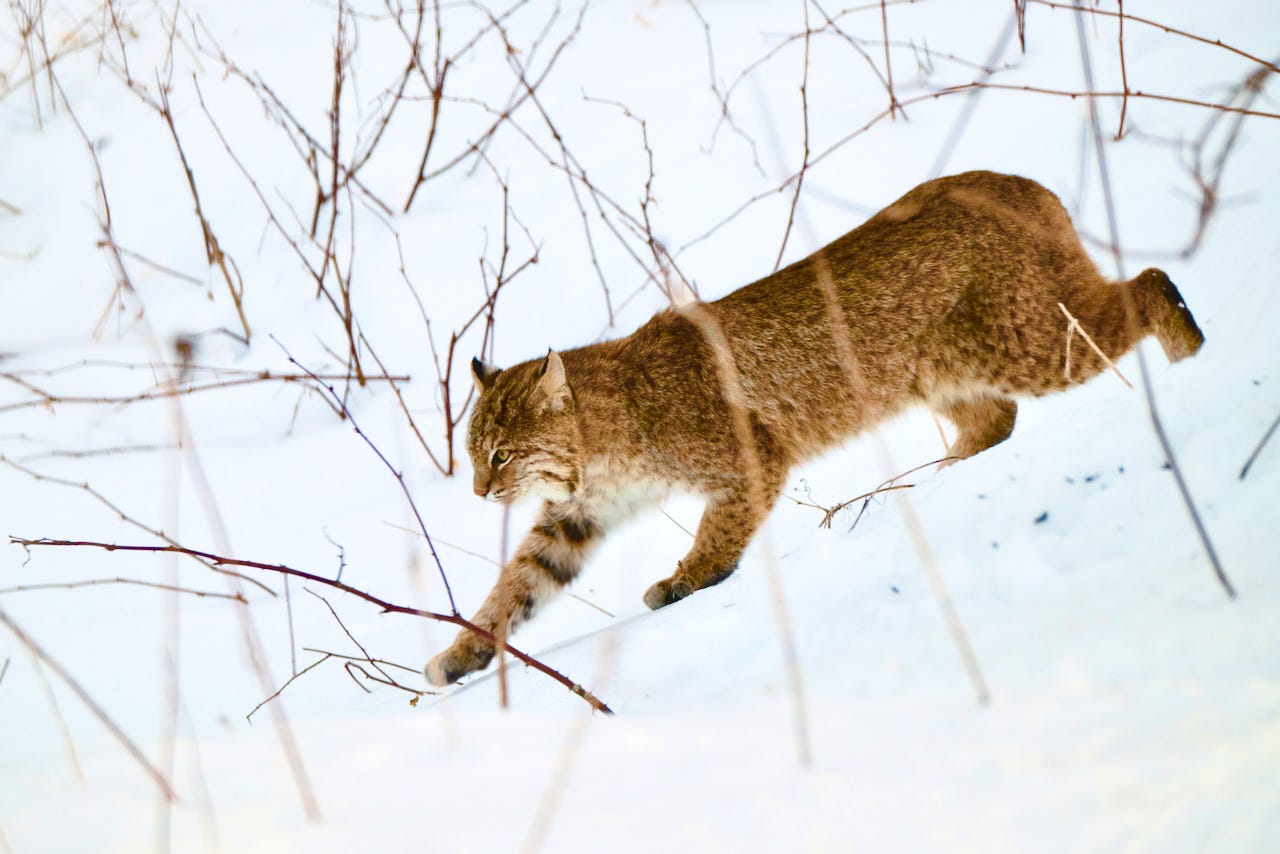
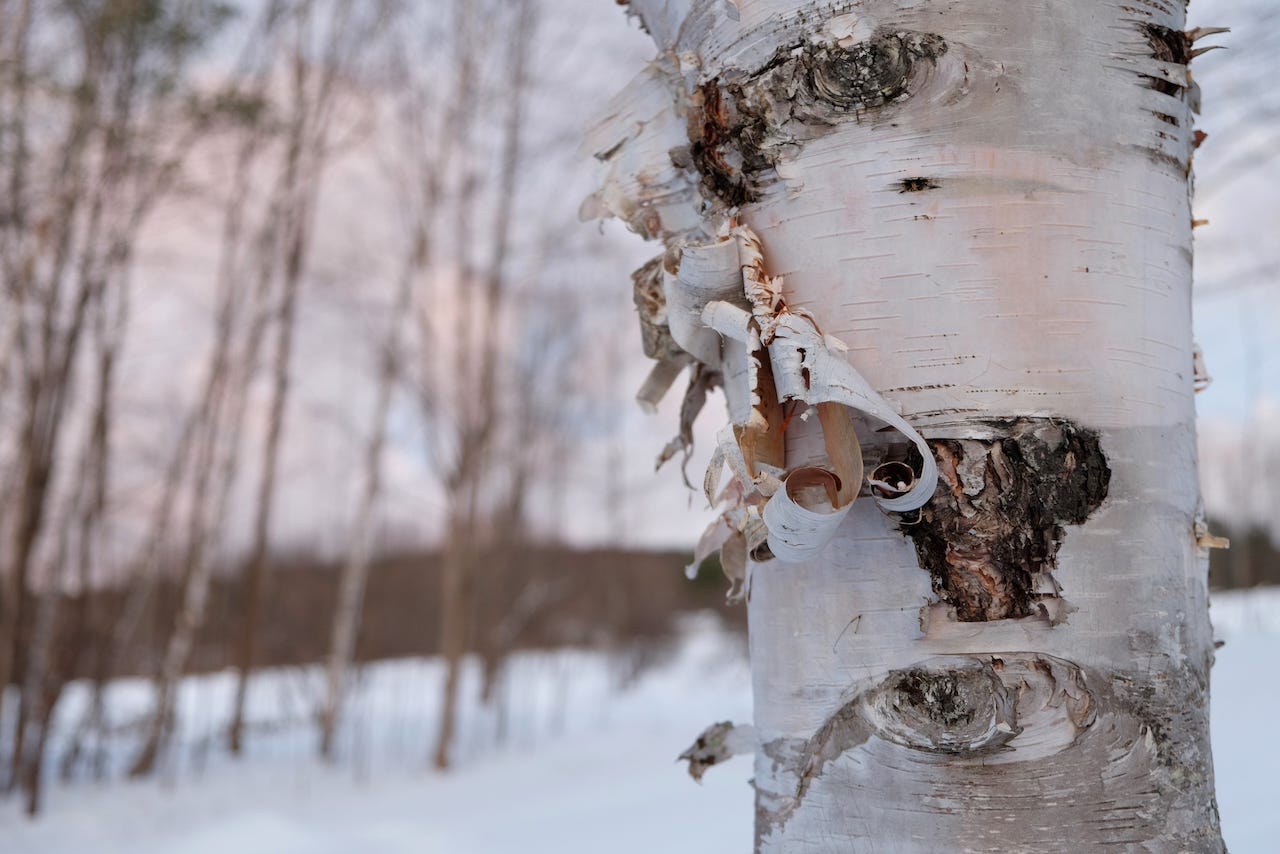
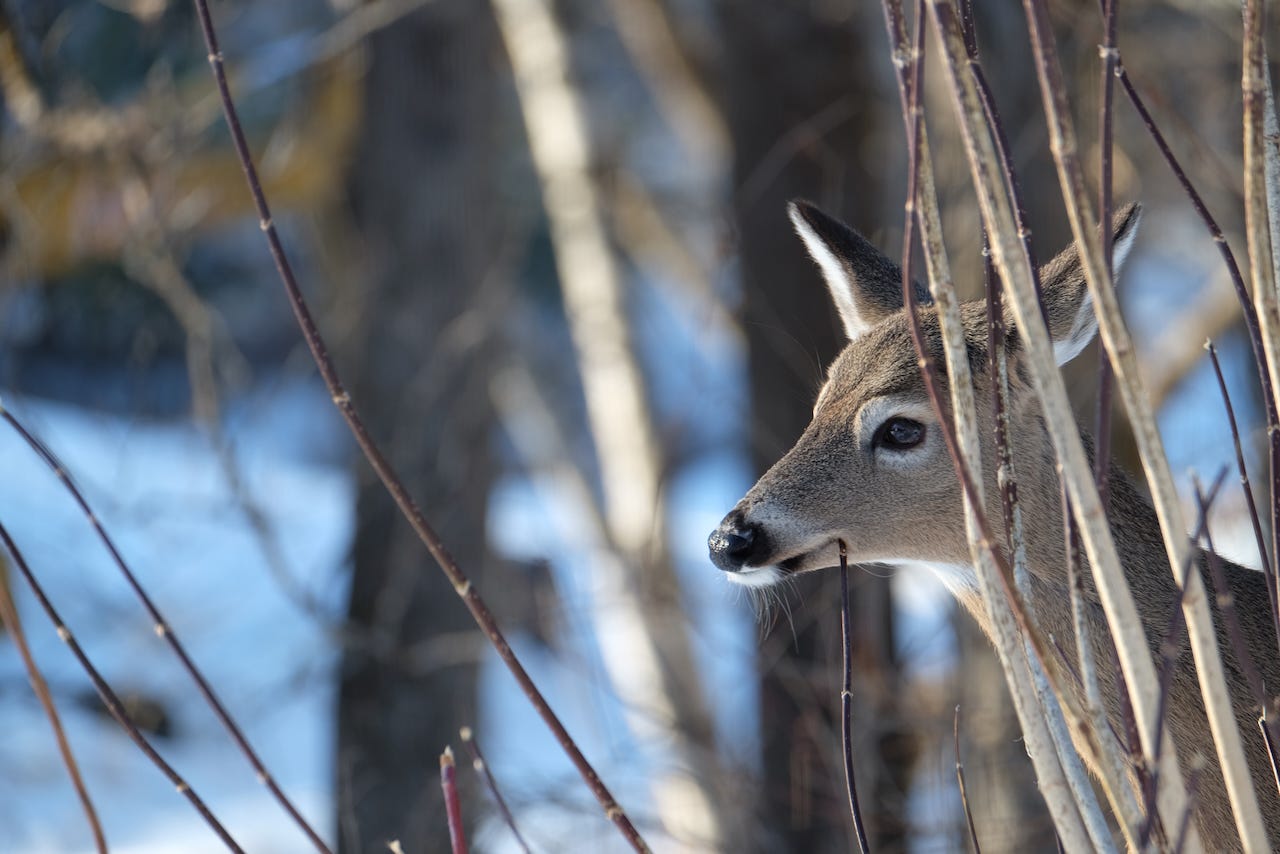
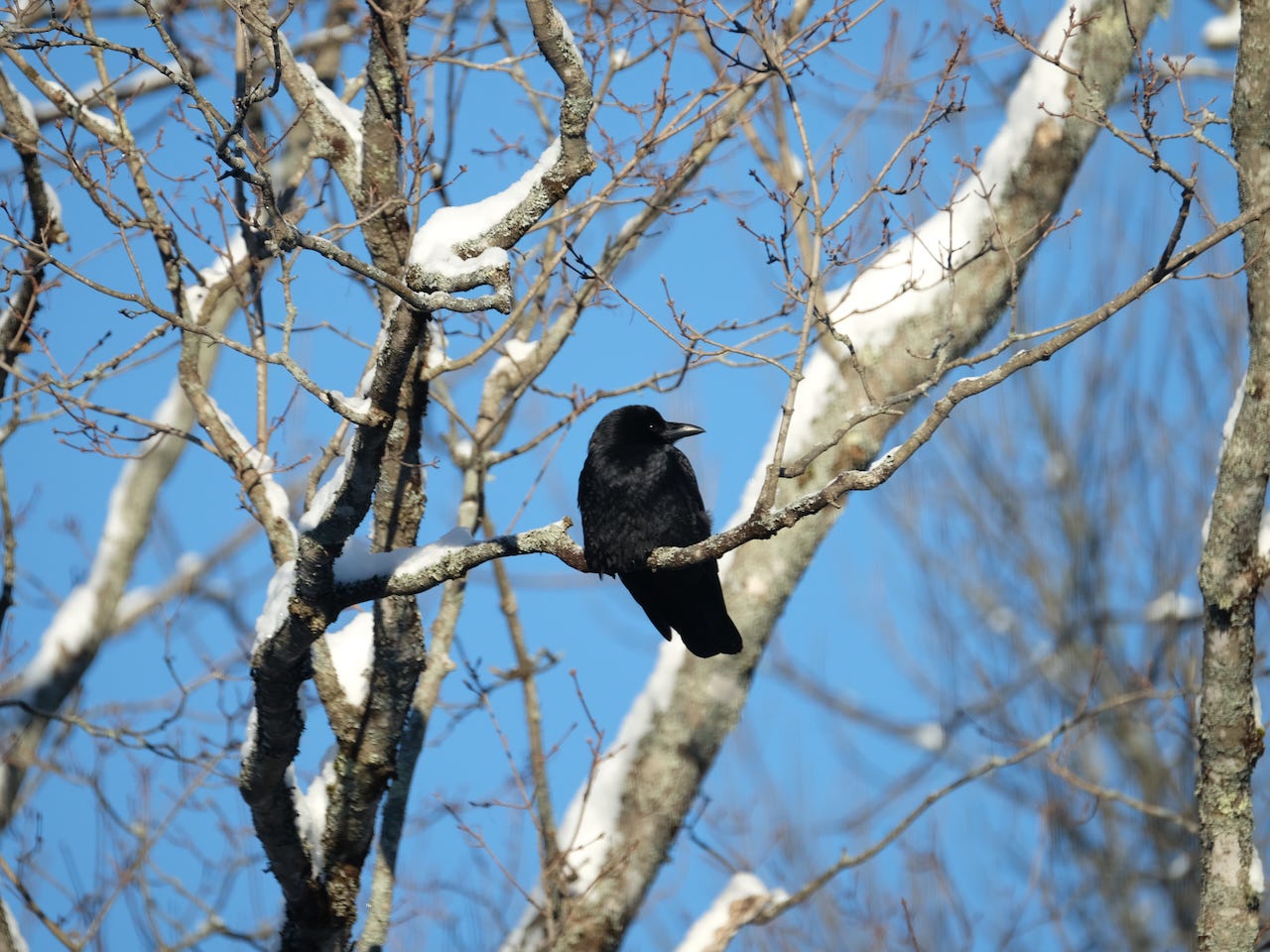
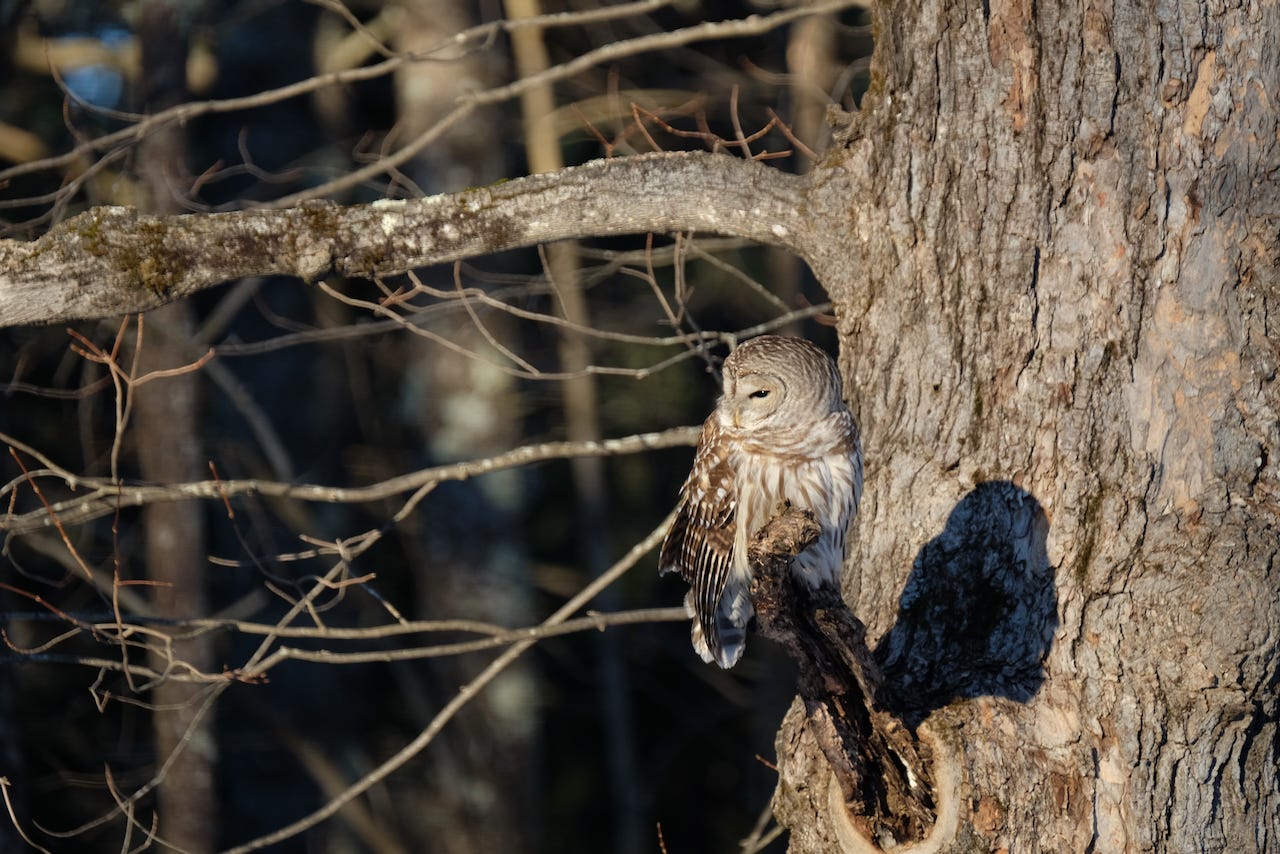
To honor the prospect of a snowy Yule, I’ve plucked photos from my archive of backyard winter visitors and scenes to illustrate this post, some taken from the very desk at which I’m typing now. It’s a grab-bag of critters to accompany a grab-bag of wines, which I’ve chosen, almost at random, to order by style: sparkling, white, red. Enjoy.
Three Sparklers from Roederer Estate
Roederer Estate is the California project of the historic champagne house Louis Roederer. Founded in the Anderson Valley in 1982, they produce only traditional method sparkling wines using fruit sourced exclusively from their 580-acre estate. Farming is organic and biodynamic, and in the cellar, they maintain a reserve program with oak aging to add dimension to their cuvées. The wines are consistently high quality and deliver terrific value.
Roederer Estate Brut Anderson Valley NV
A 60/40 blend of Chardonnay and Pinot noir with 10 to 15 percent reserve wine and a dosage of 8 grams per liter. It’s pale yellow with a busy bead that blooms in notes of citrus and marzipan. It has a solid fruit core and a succulent finish, and while I’d prefer a touch less sweetness, the dosage does balance the wine’s firm acidity.
12.5% ABV | $32 (sample)
Roederer Estate Brut Rosé Anderson Valley NV
The Rosé is 56 percent Pinot noir and 44 percent Chardonnay, with, again, 10 to 15 percent reserve wine. The dosage is slightly lower than that of the Brut, at 7 grams. It is light salmon pink with a fragrance that suggests strawberries, pastries, and mint. The texture is lavish, crackly, carrying flavors of berries and biscuit. The sugar melts into the wine just right.
12.5% ABV | $39 (sample)
Roederer Estate Clark Road Sparkling Wine Anderson Valley 2021
The Clark Road vineyard sits at a particularly cool, slow-ripening spot in Anderson Valley. The blend for this vintage wine is 78 percent Pinot noir and 22 percent Chardonnay, the fruit partially fermented in oak casks. The winemakers used about 5 percent cask-aged reserve wine in this bottling. The finished acidity is remarkable (for the geeks: pH 2.96 and TA 9.3 g/L), while the dosage is the lowest of these three at 5.5 grams. That adds up to a wine that feels electric, crackling with citrusy salinity but grounded by a sherry-almond bass note. The mousse is fine and creamy, soothing the nervy tension of the attack. It’s a sparkler that really demands food.
12.5% ABV | $55 (sample)
Merriam Vineyards Blanc de Noirs Russian River Valley 2022
Merriam farms two estates in the Russian River Valley, one planted exclusively to Bordeaux varieties, the other to Chardonnay, Pinot noir, Sauvignon blanc, and a smattering of others. Farming is C.C.O.F. certified organic. This Blanc de Noirs is their only sparkling wine, made in the traditional method from 100 percent Pinot noir. It’s rose gold with a breezy fragrance of red fruit, and the mousse is fine, delivering a mouthful of watermelon, peach, and apricot. The finish is salty with a touch of leesy savoriness. Overall it’s a ripe wine, ample, one to pair with buttery, salty, crispy snacks.
14% ABV | $58 (sample)
Smith-Madrone Estate Riesling Spring Mountain District Napa Valley 2021
Stuart Smith founded Smith-Madrone in 1971, planting Chardonnay, Riesling, and Cabernet Sauvignon on the steep slopes of Spring Mountain. Earlier this fall I recommended their Cabernet, and here’s the Riesling. Vintage 2021 is the current release, suggesting the winery holds onto the wine until it has a strong sense of self. As a Riesling it feels totally correct; in my notes I wrote “smells like Riesling,” which is not a given with so many American bottlings. It has that hydrocarbon note, like new plastic but flowery, as if the plastic grew on blooming trees. The texture is silken, the modest acidity beautifully integrated, and I got suggestions of dried flowers, tart pear, green tea, maybe green olive. I loved this wine and cannot wait to try the 2022 and 2023 when the winery decides to send them out into the world.
13.2% ABV | $40 (sample)
Barboursville Vermentino Reserve Virginia 2023
This varietal Vermentino, from Barboursville Vineyards, was the overall winner at the Virginia Governor’s Cup competition earlier this year. The grape, originally from the Mediterranean, does well in Virginia’s piedmont, especially in the hands of winemaker Luca Paschina, originally from the other Piedmont, in Italy. This version is redolent of bay leaf, lime, and rain on rocks, and its flavors are citrusy, with an herbal finish that also has a bite of grapefruit bitterness. It’s textural, with good weight and a light grip. Pleasing, shiny, and a good value.
13.5% ABV | $23 (sample)
Troon Vineyard Druid’s White Applegate Valley 2024
Troon Vineyard is a regenerative organic and biodynamic project in the Applegate Valley, in southern Oregon. This wine is a blend of varieties originally from another valley half a world away, the Rhône. It’s about half Grenache blanc with portions, in decreasing order, of Bourboulenc, Roussanne, Vermentino, Clairette blanche, and Picpoul. The fruit was whole-cluster pressed and the wine fermented with ambient cultures in a mix of neutral barrel and concrete; it went through full malolactic conversion. The result is lightly cloudy with flowery-sweet notes of apple blossom, pear, and lemongrass with a finish like lemon drop. My notes say “it’s like lying in summer grass,” perhaps aspirational in mid-December, but what more could one ask?
12.4% ABV | $30 (sample)
Chardonnay and Pinot noir from Talley Vineyards
The Talley family has been farming in San Luis Obispo since 1948, at first just vegetables, but in 1982 they added grapes, committing to Pinot noir and Chardonnay. In 1987, the family planted the 28-acre Rosemary’s Vineyard, named for the founder’s daughter-in-law. Viticulture is certified sustainable and fermentations are spontaneous; the wines are bottled unfined and unfiltered.
Talley Vineyards Chardonnay Rosemary’s Vineyard Arroyo Grande Valley 2023
Rosemary’s Chardonnay was whole-cluster pressed and fermented in French oak barriques and puncheons, one-quarter new. It aged sur lie for 14 months prior to bottling and went through full malolactic. It’s a wine with profuse aromas and flavors: citrus peel, lemon-curd, grass, vanilla, toast. Texturally substantial, it is lifted up at the end by zingy acidity.
13.3% ABV | $75 (sample)
Talley Vineyards Pinot noir Rosemary’s Vineyard Arroyo Grande Valley 2023
Fruit for the Rosemary’s Vineyard Pinot comes from the original blocks, planted in 1987 to own-rooted Wädenswil clones. Clear cherry red, it’s perfumed of wild rose and raspberry, and the texture is light, with faint tannic grip. The flavors darken from red to black, with a nutty bitterness at the finish adding interest.
13.8% ABV | $95 (sample)


Montinore Estate Pinot Noir Red Cap Willamette Valley 2023
I’ll close out this Notable with a weeknight libation, not a sample but instead a wine we keep on our rack to crack open (literally; it has a screw cap) when we want red refreshment. Montinore’s farming is Demeter and C.C.O.F. certified. It’s juicy wine with a scent of pine, wintergreen, flowers, and cherries. Pleasantly grippy, the flavors skew toward red currant and cranberry with hints of resinous herbs. It’s crunchy, uplifting, and more interesting than you’d guess at first sip.
13.4% ABV | About $30
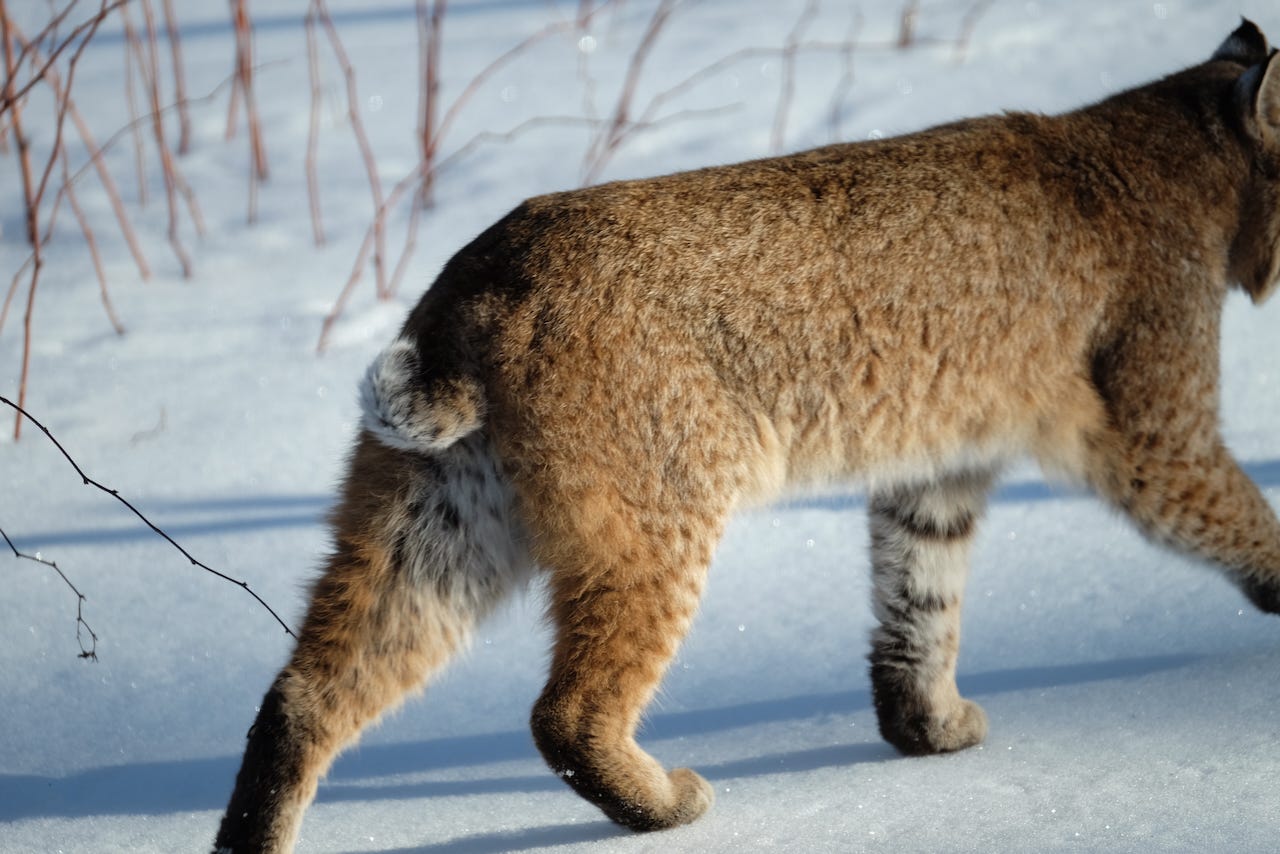
All images ©Meg Maker. Most wines (indicated) were samples for review.
I wonder if the dosage on the Roederer Estate wines has come down just a smidge. I’ve always enjoyed the basic NV, but it almost always seemed quite sweet, even before the era of low/no dosage Champagnes.