


The Roero wine growing region lies in the green heart of Piedmont, in the bumpy foothills of the Alps. In September I spent five days there, and while it wasn’t my first trip through Roero, it was a chance to deepen my understanding of the region’s modern wines made from ancient, hyper-local grapes.
I found many wines to love. Favorite producers included Angelo Negro, Antica Cascina dei Conti di Roero, Benotti Rosavica, Deltetto, Filippo Gallino, Matteo Correggia, and Nino Costa.
Roero’s wines can be hard to find in the U.S., but at this writing, all of the wineries in my report have at least one U.S. importer. Even if I couldn’t find a price for a particular wine I listed it anyway, both to encourage the importer to bring it in and to prompt you to try the maker’s other offerings.
First, a bit about Roero’s grapes and landscape.
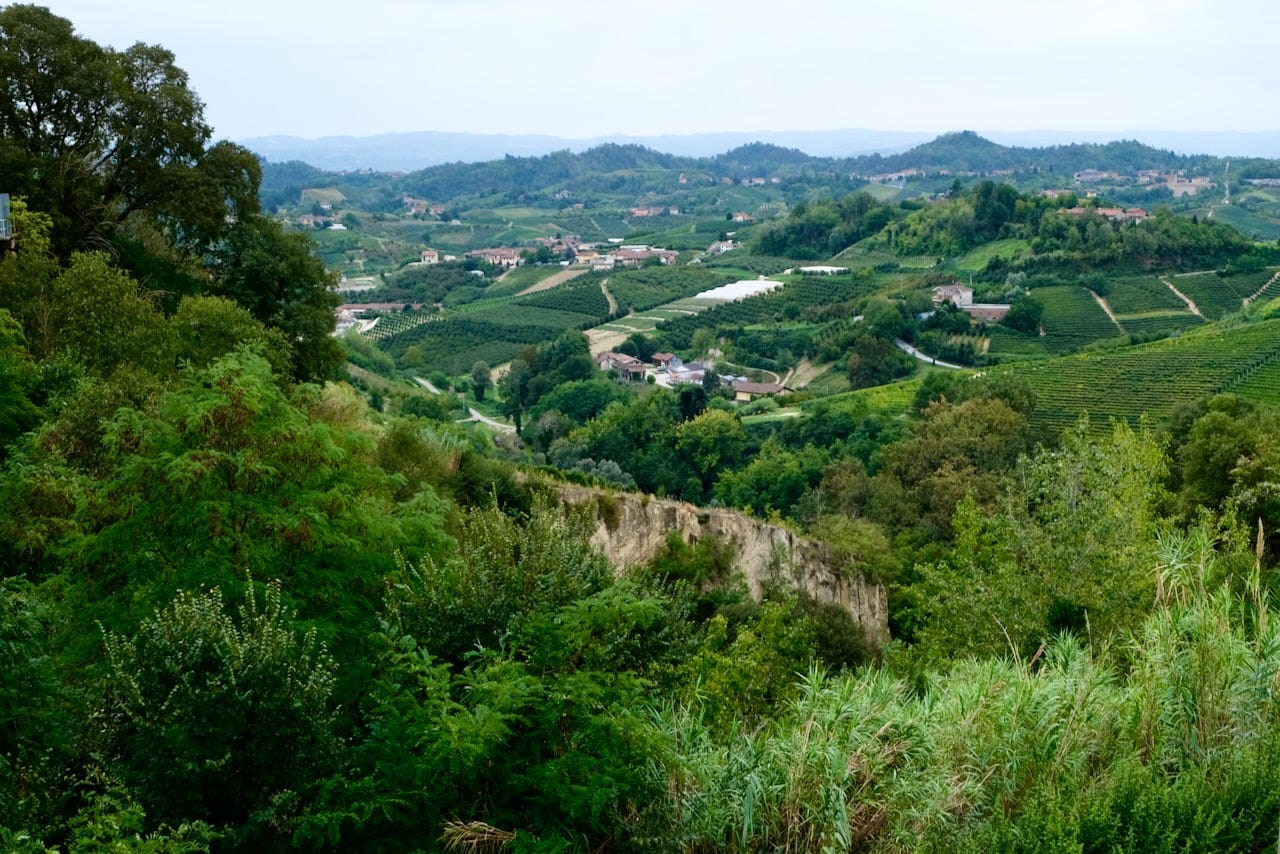
Roero Territorio
The Roero landscape is a patchwork of wild and cultivated terrain. There are forests and vines, nut trees, stone fruits, and olives, plus pastures for grazing and fields for cereals and vegetable crops. Its hills are dotted with ruins and castles and its stone villages nestle into the hollows where, eons ago, the Tanaro River carved passage through the sandstone layers en route to the mighty Po.
The effect is pastoral, not quite rustic but certainly agrarian. It’s a landscape quite unlike that of the more famous Barolo and Barbaresco to the south, which is carpeted wall to wall with vineyards to the point of monotony. Roero evokes a less polished era: rural, plain-spun, romantic without being twee, accessible without feeling too touristy. Its ecological mix, and its forests in particular, offer not only attractive biodiversity but also resilience in a warming climate.
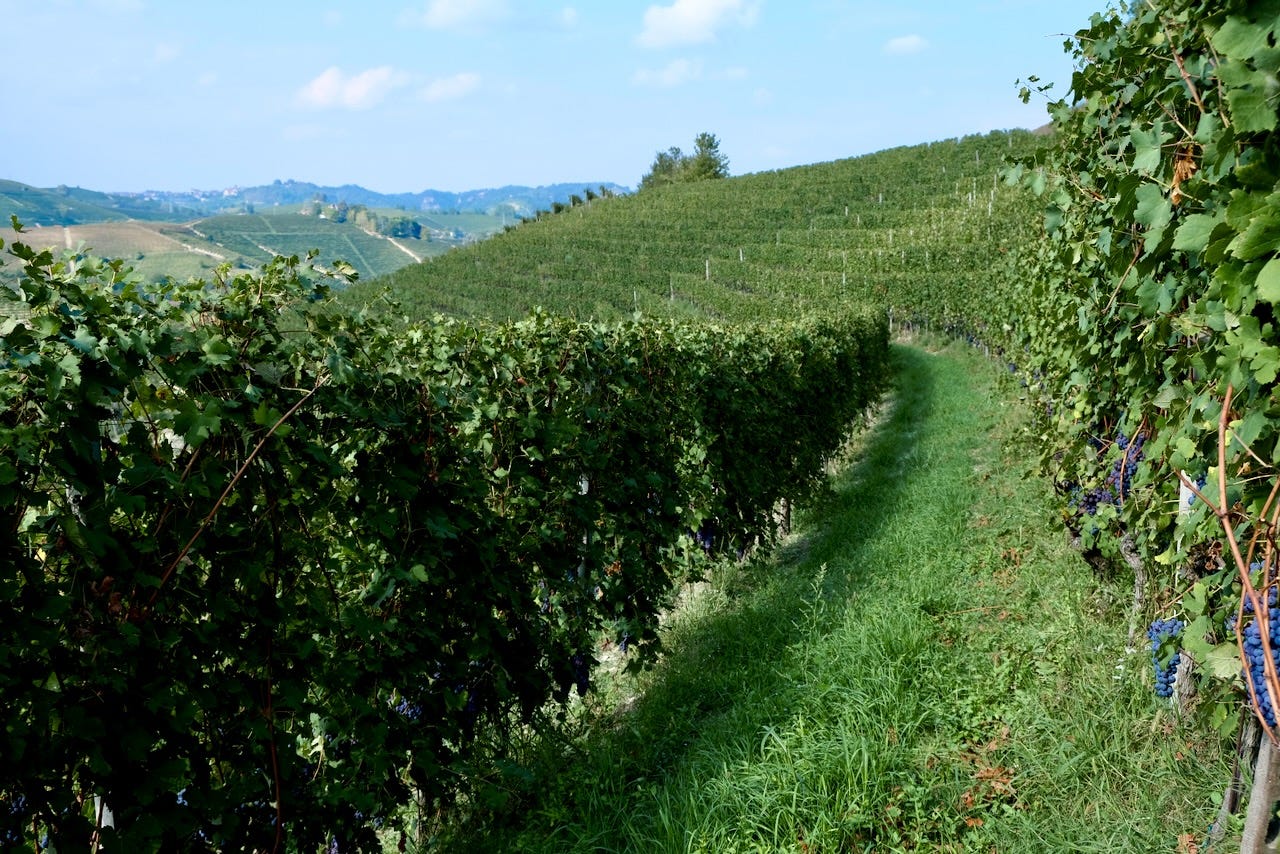
The Cornerstone Grapes of Roero
Roero’s principal grapes, Nebbiolo and Arneis, are native to the region and in fact are rarely grown beyond Piedmont’s borders.
Nebbiolo was first mentioned in a manuscript from 1266 discovered near Torino, to the north. By 1300, texts show the grape was widely used for wine in the crescent of the Alpine range. Today there’s a smattering of Nebbiolo planted in other parts of the world, but 97% of its global vineyard area remains in Italy, specifically in Piedmont’s northern hills, indicating how well suited it is to this terrain (and how ill suited it is to producing expressive wines elsewhere).
Arneis, according to Italian vine geneticist Dr. Anna Schneider, is an offspring of Nebbiolo, although the other parent remains unknown. It, too, is an older grape, mentioned first in a Torino text from 1432. The name may derive from Renesio, a location near the town of Canale, or may have been adapted from the word arnèis, which in the local Piemontese dialect is used to describe a wily, mercurial trickster (the grape’s not easy to grow).
Like its progenitor, Arneis is hardly found outside of this region, and indeed was nearly extinct until two producers, Bruno Giacosa and Alfredo Curado, of Vietti, resurrected it in the 1970s. Today there’s actually more Arneis than Nebbiolo planted in Roero, nearly 1,000 ha versus about 360.
Roero’s Red and White Wines
Roero’s D.O.C.G. wines are monovarietal, made in both standard and riserva bottlings that have stricter yield and production requirements, including longer aging before release. There is also a Roero Arneis Spumante D.O.C.G. produced in minuscule quantities.
The white Arneis is no shrinking violet. Youthful versions are perfumed of peach and almond and pack a citrusy zing, but the wine can tolerate cellar and bottle aging, becoming, especially in the riserva offerings, both more substantial and more subtle.
Nebbiolo from Roero has freshness and levity, its tannins solid but not as robust as those of Barolo. Producers suggest that’s thanks to the difference in soils—sandy here versus clay-marl and sandstone there—but it may simply be cultural, a stylistic choice in a region that’s more about producing wines that are immediately pleasurable and that reward (but don’t demand) long aging.
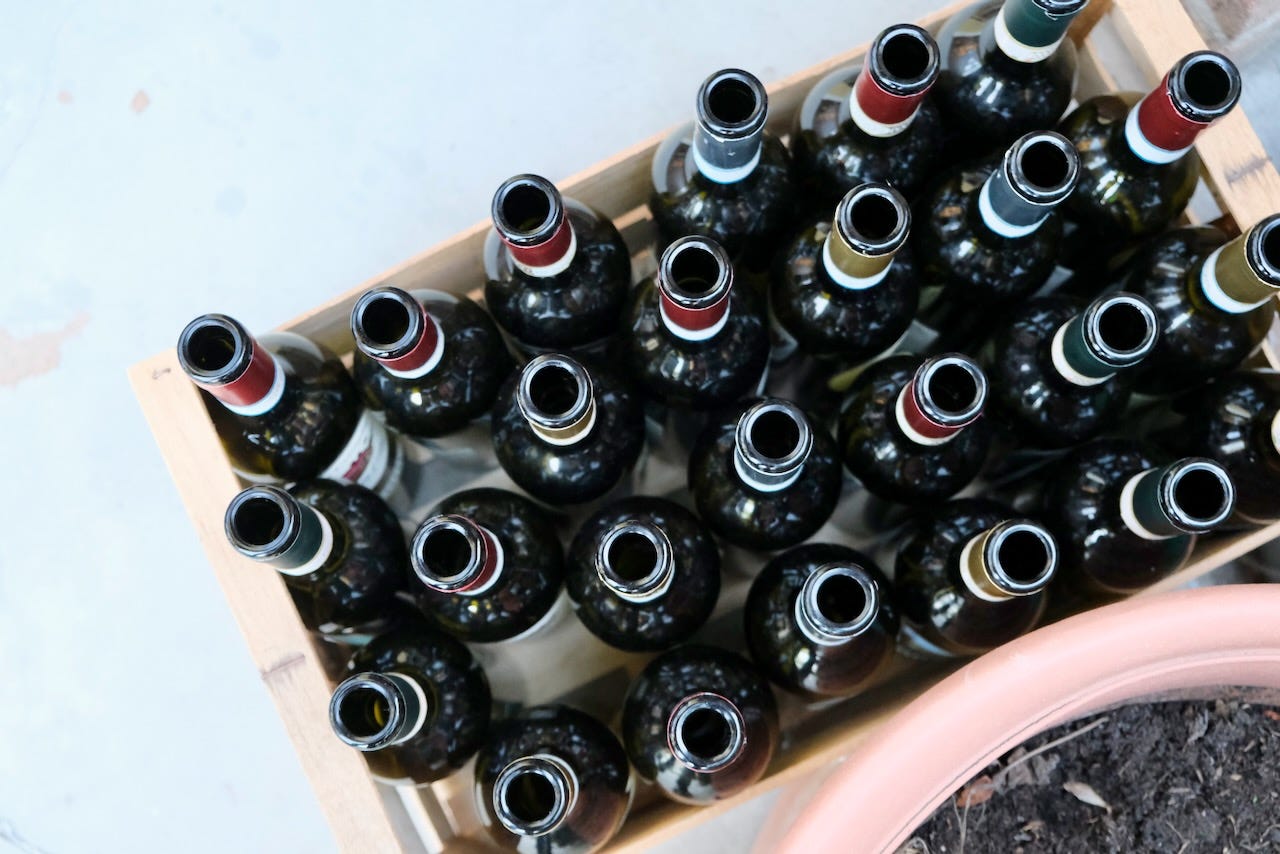
Favorite Wines
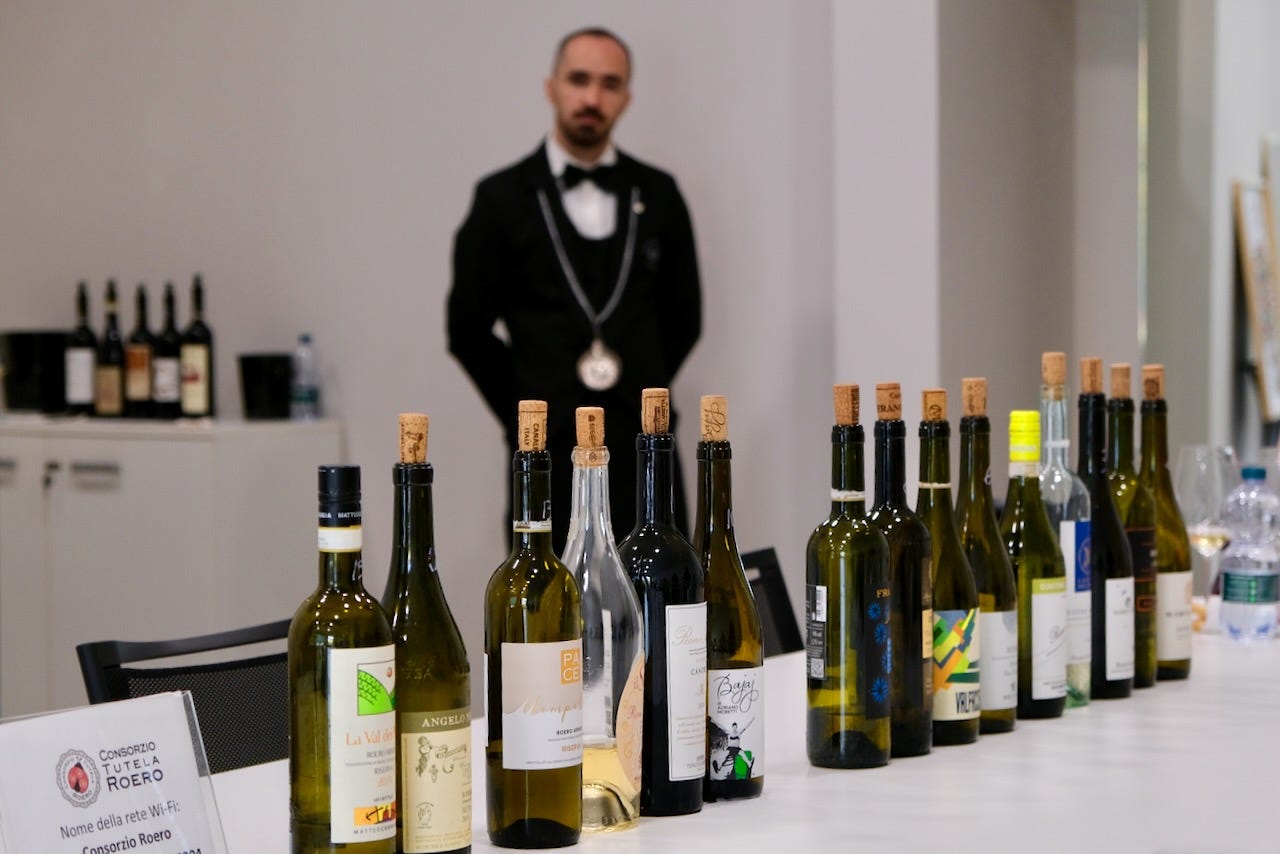
During my visit, which was hosted by the Roero Consorzio, I formally tasted about 80 wines, and I’ve selected 31 favorites to highlight here. I suggest using Wine-Searcher to check current vintage availability and pricing.
