


Welcome to Notable, where twice a month I write about the best wines of recent tasting. I frequently review samples, but today’s wines all happen to be private purchases, wines we bought to pour with dinner, to put on the Makers’ table.
I have two Italian wines, a Barolo from Vajra and a Dogliani Dolcetto from Pecchinino. Most of the rest are French, including a crackling crémant d’Alsace rosé from Lucien Albrecht, a red Hautes-Côtes de Beaune from Philippe & Arnaud Dubreuil, and a creamy Montagny from Château de la Crée. There are also two wines from the southern Rhône, from Château du Trignon and Arnoux et Fils. Over the last few decades, southern Rhône reds have become more ripe and powerful, and the influence of critics who favor the blockbuster style has been easily felt in the glass and the morning after. So I was pleased to taste two examples that feel both ripe and fresh.
But to start I have a single American wine, an outstanding Cabernet Franc from Napa producer Ashes & Diamonds, made by one of my favorite California winemakers, Steve Matthiasson.
American idyll
Ashes & Diamonds Cabernet Franc No. 3 Napa Valley 2016
13.4% ABV | $80 | Ashes & Diamonds
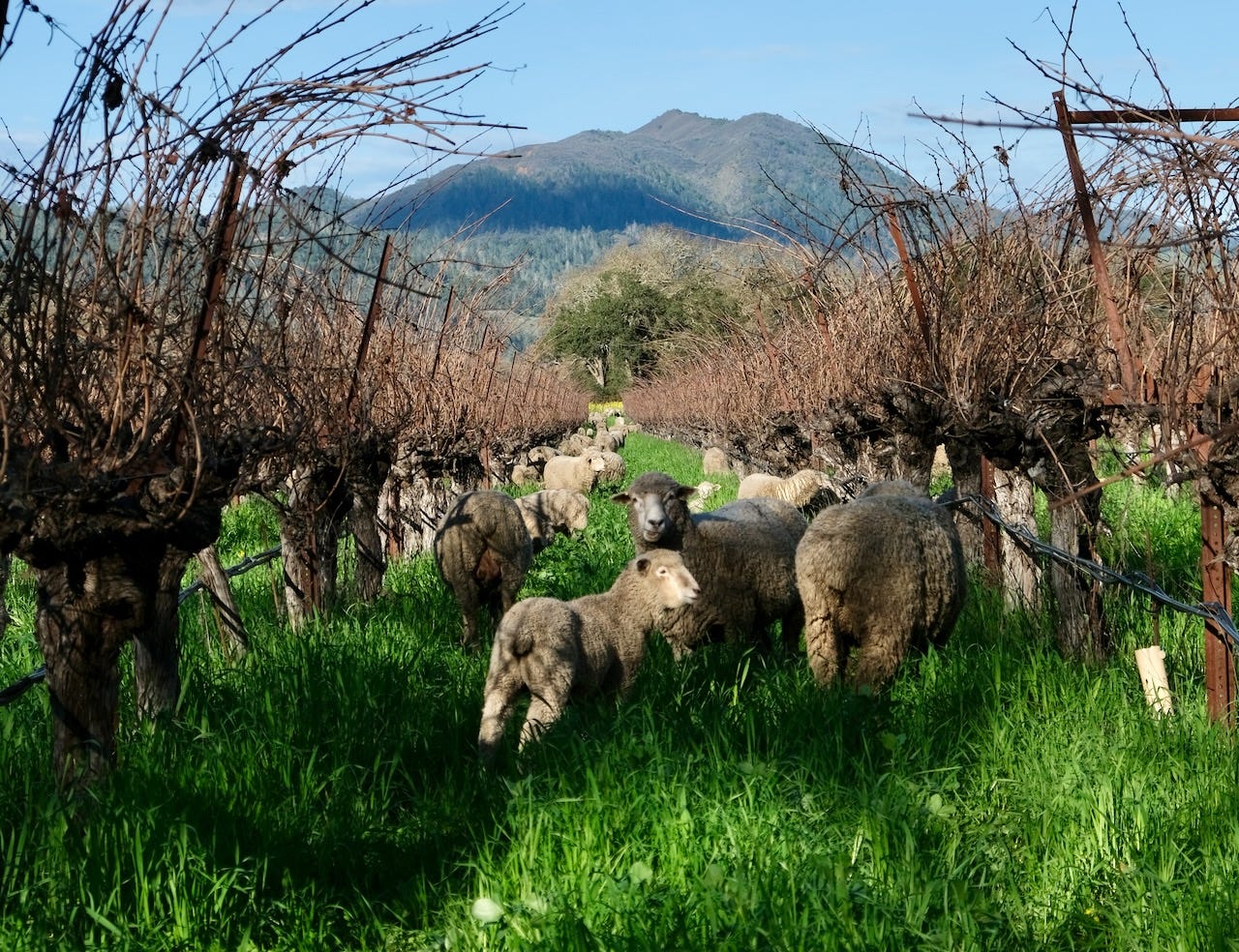
Varietal Cabernet Franc is unusual in Napa Valley. John Skupny of Lang & Reed has used this red Loire grape for decades (along with its white counterpart, Chenin blanc), and I’ve tasted other examples from Corison, Gallica, and Ehlers. But the grape remains largely unexplored here despite its great potential, likely because it costs just as much to farm as Cabernet Sauvignon but cannot fetch that grape’s high prices. Ashes & Diamonds is a relatively young project near Yountville, and their expert team of consulting winemakers, including Diana Snowden Seysses and Steve Matthiasson, makes a slender roster of wines. For this bottling, Matthiasson used fruit grown in Los Carneros, Oak Knoll, and Yountville, fermenting in steel and aging the wine for twenty months in barrel, partially new. The results are silky, sluicy, fluid, a flexible matrix of acid and tannin carrying ripe and succulent fruits. It is a seamless experience from start to close; in my notes I wrote “beautiful liquidity,” which isn’t as absurd as it sounds once you’ve had it on your tongue. More Napa Cab Franc, please.
France from top to tail
Lucien Albrecht Crémant d’Alsace Brut Rosé NV
12% ABV | About $24 | Lucien Albrecht | Imported by Foley Family Wines
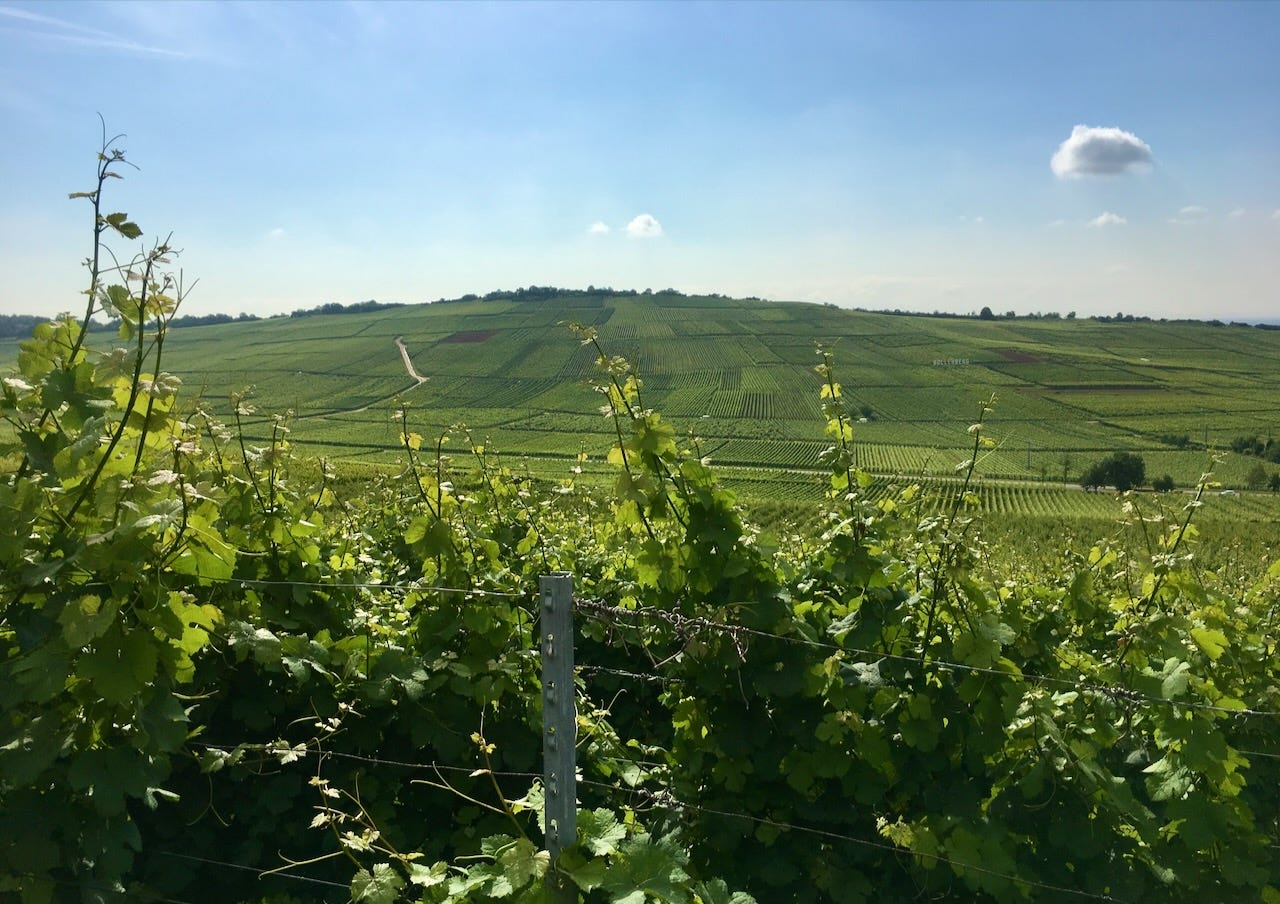
The Albrecht ancestors settled in Orschwihr in 1698 and the family still owns the estate and manages production. The winery was among the first in Alsace to experiment with sparkling winemaking, in the 1970s, and contributed to the creation of the Crémant d’Alsace AOC in 1976. Their rosé sparkler is 100% Pinot noir with 14 to 16 months of lees aging and a dosage from 12.5 to 13 g/L. Shell pink with an active bead, it’s fragrant of strawberry and sourdough, wet stone and wintergreen. The sugar is on the high side but it melts into the wine’s charming piquancy. It has a salty finish, surprising and fun.
Philippe et Arnaud Dubreuil Hautes-Côtes de Beaune 2023
12.5% ABV | About $35 | Philippe Dubreuil-Cordier | Imported by USA Wine West
The Dubreuil family, with headquarters in Savigny-les-Beaune, farms 12.5 hectares, including a plot of white grand cru Corton. This Hautes-Côtes de Beaune Rouge has become something of a house wine for us, especially when we’ve been able to snag it in quantity at a reduced price. Burgundian Pinot partners amiably with a huge range of the things I tend to cook: veg, fish, poultry, and meat treated to everything from curry to Cal-Med. This one is highly drinkable, with just enough crunch and freshness to balance the lively cherry fruit. Bonus label sporting a rustic heraldic crest that I’ve dubbed “disco lion.”

Chevalier de la Crée Knights Templar Cuvée Montagny Premier Cru 2022
12.5% ABV | About $35 | Château de la Crée | Imported by Evenstad Estates
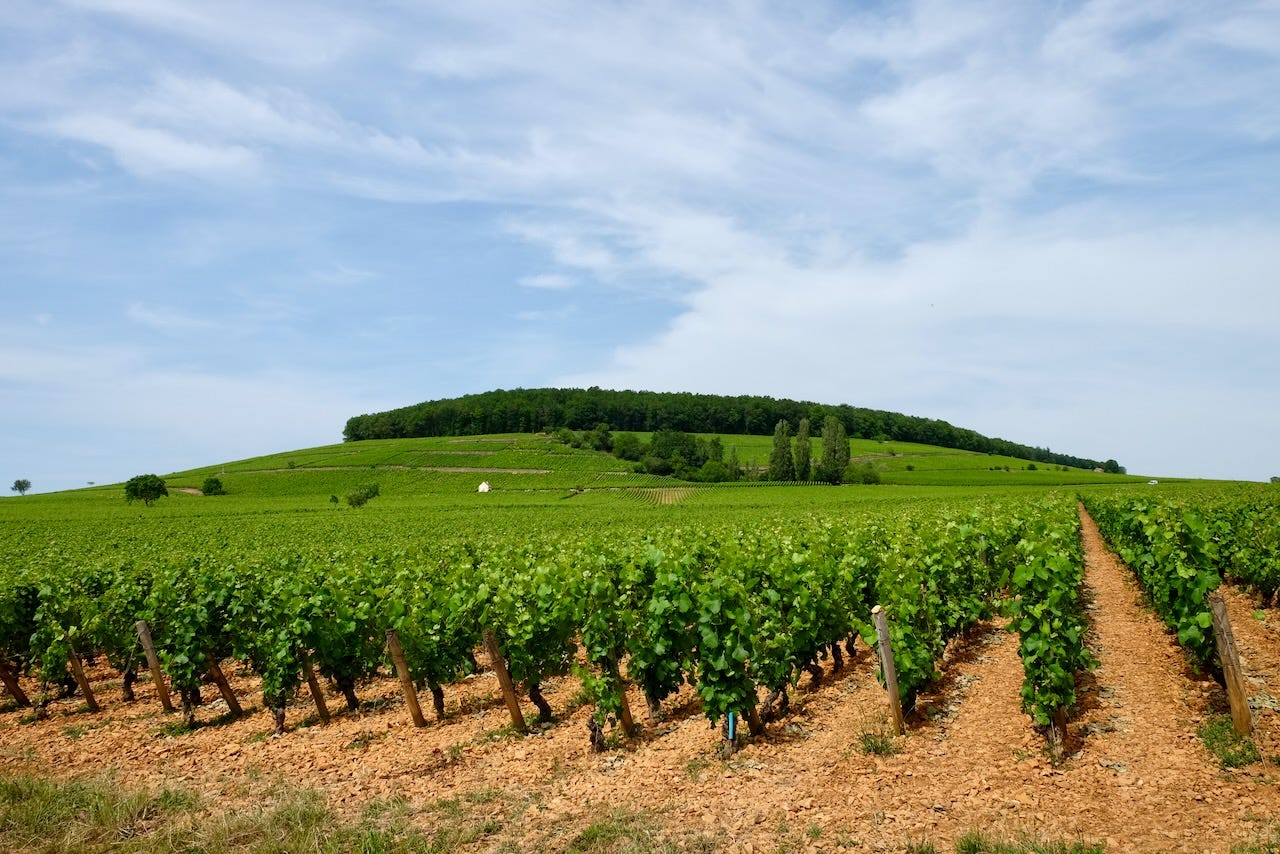
Ken and Grace Evenstad, founders of Oregon’s Domaine Serene winery, which makes Pinot noir and Chardonnay, also own and manage Château de la Crée, in Santenay, Burgundy. The estate comprises 25 acres, including blocks in Pommard, Volnay, Meursault, Puligny-Montrachet, Chassagne-Montrachet, Santenay, and Maranges. Farming is organic and biodynamic. The Knights Templar Montagny is a big glass of Chardonnay, textural, expansive, with a sense of lemon curd and cream and noticeable oak. It needs food with equal weight, maybe prawns with butter and citrus, a creamy gratin, or roasted chicken with lemon. It’s certainly a break from our much more usual Chardonnay (viz., Chablis).
Château du Trignon Plan de Dieu Côtes du Rhône Villages 2021
13.5% ABV | About $22 | Famille Quiot | Imported by USA Wine Imports
Siblings Florence and Jean-Baptiste Quiot are the 13th generation of the family who have been farming in the southern Rhône since 1748. Under the Château du Trignon label they produce red, white, and pink Côtes du Rhône, plus bottlings of Sablet, Rasteau, Vacqueyras, Gigondas, Beaumes-de-Venise, and this wine, Plan de Dieu. A blend of mostly Grenache and Syrah, it’s a fresh-faced offering that lacks the density and über-alcohol of so many southern Rhône reds. It has a scent of cherries and anise, sweet tobacco and plum, while lively ruby-grapefruit acidity animates the mid-palate. Are southern Rhône reds getting fresher?
Arnoux et Fils Vieux Clocher Vacqueyras 2022
14% ABV | About $25 | Arnoux et Fils | Imported by Monsieur Touton Selections
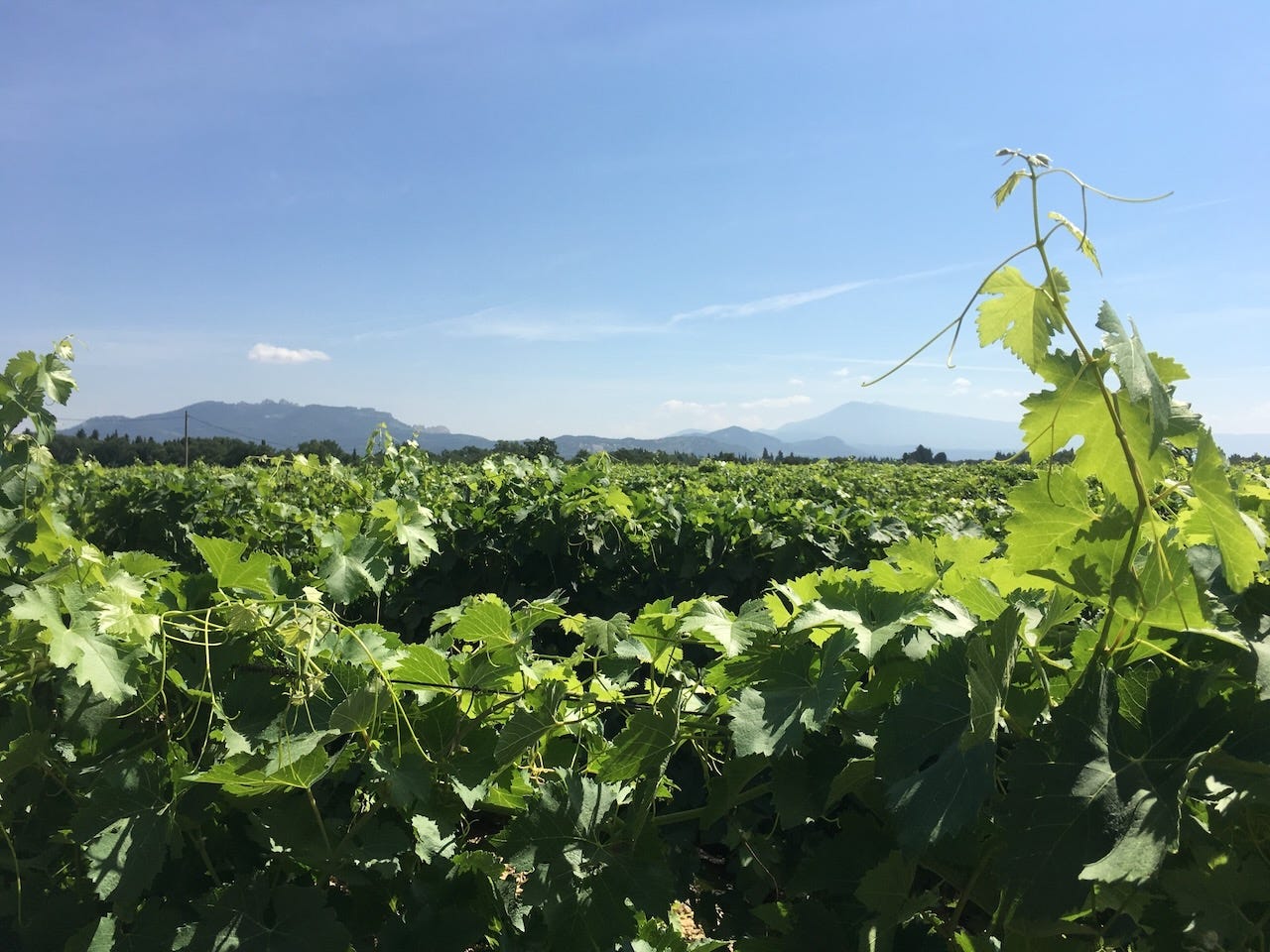
Here’s another winemaking family that traces its lineage to the 18th century. Arnoux was founded in Vacqueyras in 1717 and today Marc and Jean-Francois Arnoux manage 41 hectares, producing Vacqueyras, Gigondas, Châteauneuf du Pape, Ventoux, Beaumes-de-Venise, Côte du Rhône, and more. Farming follows lutte raisonnée. This Vacqueyras is a classic blend, 70 percent Grenache, 20 percent Syrah, and five percent Mourvèdre. Where that Plan de Dieu felt light, this one feels dark, with black fruit and leather, earthy spice, a touch of Brett. But there is also levity in its sense of herbs and cherries. Not as concentrated as much contemporary Vacqueyras, not as potent. I served it with chipotle-inflected beef chili with a side of sautéed fennel and leeks. We smiled.
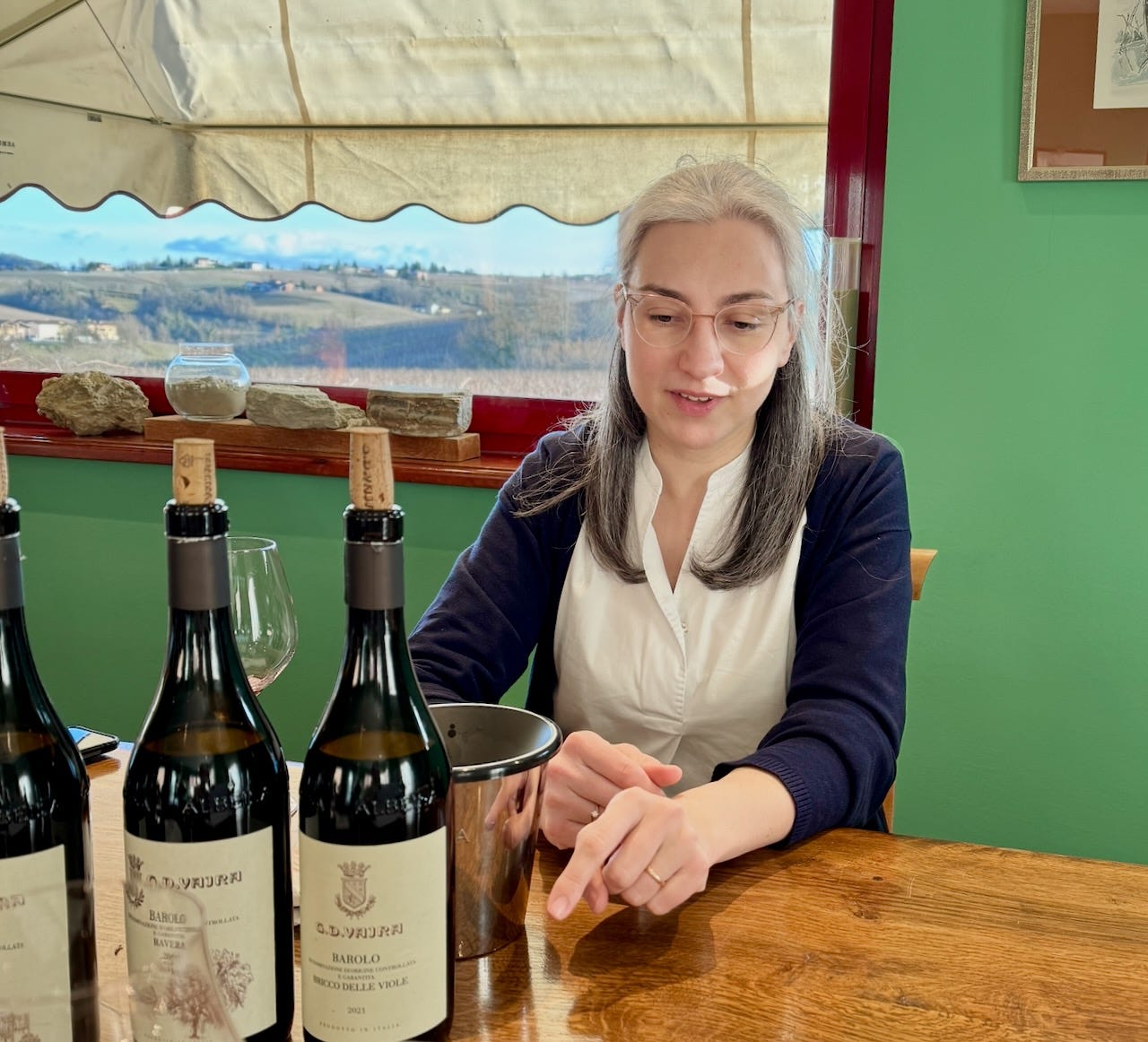
Due Fratelli (Barolo e Dolcetto)
G.D. Vajra Albe Barolo 2021
14.5% ABV | About $40 | G.D. Vajra | Imported by Vajra USA
Last year I sat for a long tasting with Francesca Vaira at their winery in Vergne, halfway between Barolo and La Morra. The Albe Barolo was the first of the tasting lineup. Vaira demurred when I asked her if she considered it their entry-level Barolo, but it was a foolish question on my part; what winery calls any of their wines “entry level?” It is, at least, not their most prestigious Barolo, blending fruit, as it does, from the vineyards Bricco delle Viole, Fossati, and La Volta. It’s a youthful cherry color, limpid, with flowery fragrance, purple smelling. The fruit feels freshly alive, but there is also a sense of dried berries and flowers at its edges. Even tempered and well priced when you’re craving Barolo.
Pecchenino Sirì d’Jermu Dogliani Superiore 2022
14.5% ABV | About $28 | Fratelli Pecchenino | Imported by Winebow
The Dogliani DOCG, in the southern part of the Langhe, is reserved for wines made exclusively from Dolcetto. The grape has a long tradition all over Piedmont but isn’t as widely consumed as it was in past decades. That’s a pity. Well made Dolcetto from a good plot is one of the most joyous Italian wines, with its sense of violets and licorice and a winning grip that washes down northern Italian fare (and so much more). Pecchenino’s Dolcetto is grown in a 35-year-old vineyard on their home estate in Dogliani. Fruit is hand harvested and fermented in steel and the wine is aged in large oak casks; only 6,000 bottles are produced. It’s refreshing and beautifully made, with great typicity. We don’t drink enough Dolcetto.
Images ©2026 Meg Maker