


Welcome to Notable, where twice a month I share news of wines that have recently grabbed my attention.
The weather’s been sniveling and it’s snowing as I write this, although I don’t expect the stuff to last for long. Winter has been coming later to New England, and lasting later into spring—when we most want it to be gone. So I’ve been opening earthy reds, including favorites from Italy and France, plus a handful of whites that shine light into the evening gloom of Standard Time.
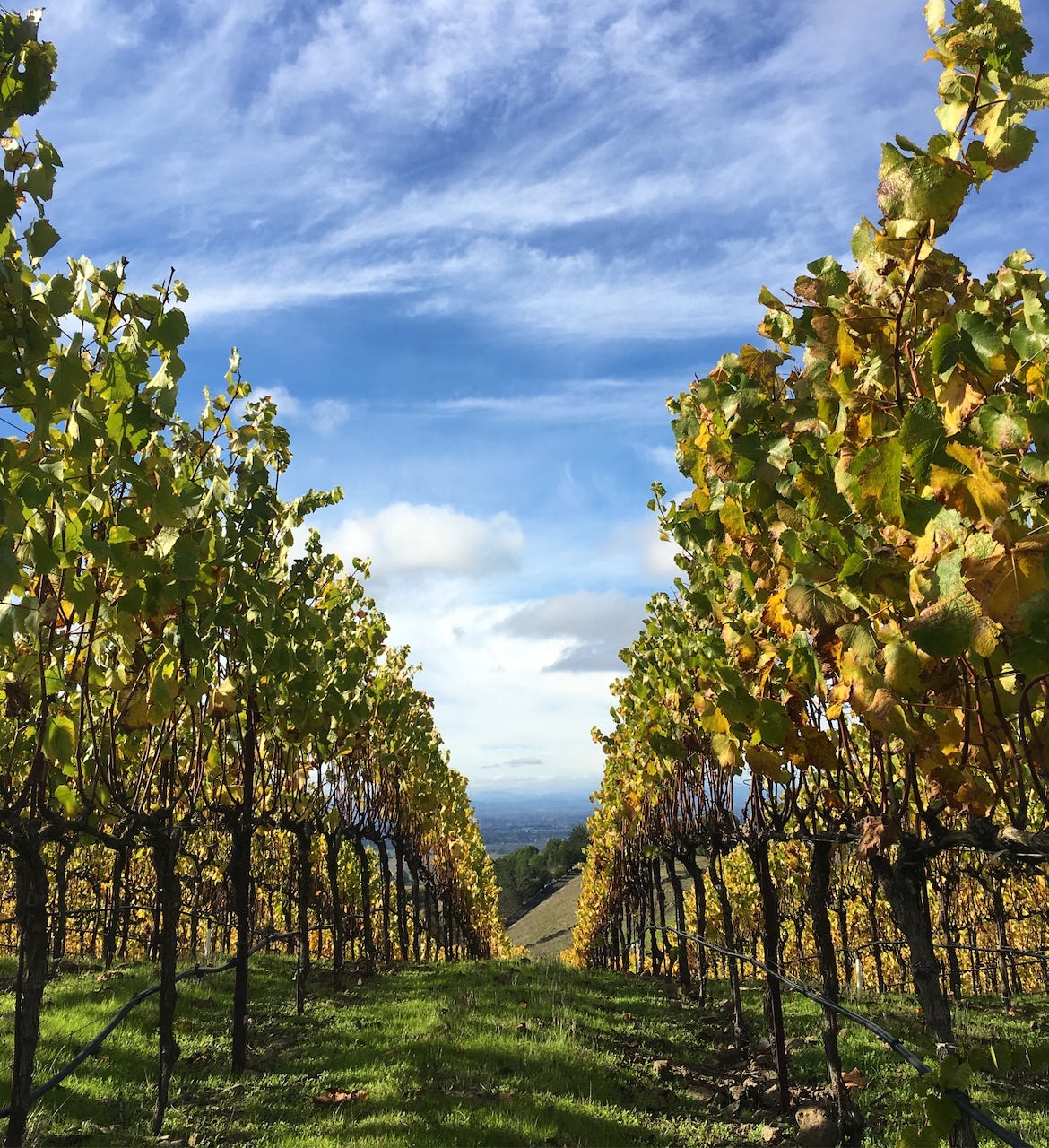
Two Chardonnays from Merry Edwards
Merry Edwards started making wine in the mid-1970s, first at Mount Eden Vineyards, in the Santa Cruz mountains, and later at Matanzas Creek, in Santa Rosa. In 1997 she launched her own label, Merry Edwards Winery, to focus on Pinot noir from the Sonoma Coast and Russian River Valley. She grew her vineyard holdings to 80 acres and became best known for single-vineyard bottlings. The company also obtained Certified California Sustainable Winery status.
In 2019 she sold the winery to Maison Louis Roederer and retired from daily production, passing those reins to her hand-picked successor, Heidi Von der Mehden. Nicole Carter serves as president, so the company has the distinction of being led by three women, rare even in 2025.
I have a number of Merry Edwards Pinots on my sample shelf and will get to them presently. But first, two Chardonnays.
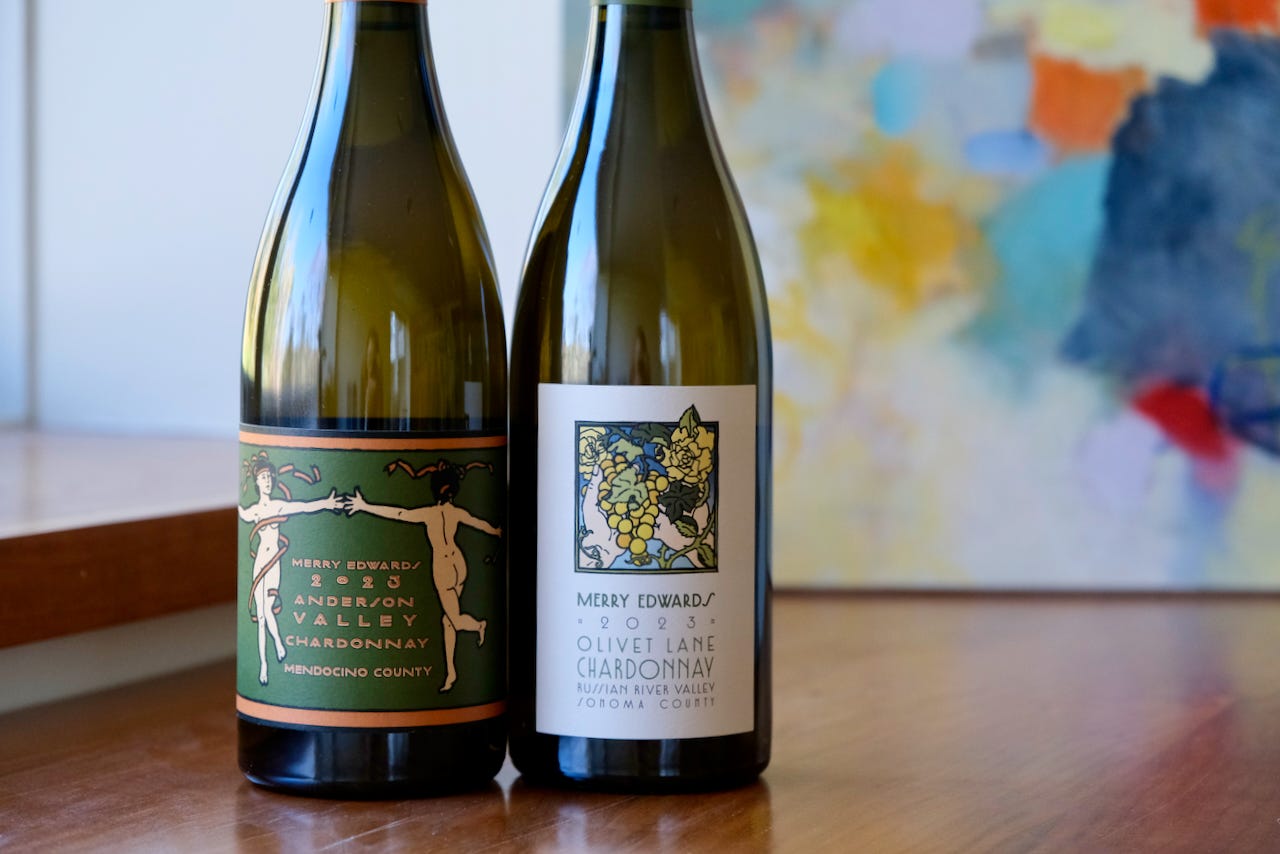
Merry Edwards Chardonnay Anderson Valley 2023
A juicy, light-textured Chardonnay characteristic of this cooler-climate valley. The texture is silken, with a creamy mid-palate and bright finish. Sunny flavors of citrus, especially grapefruit, add levity. The wine was both barrel fermented and aged in French oak, one-quarter new, but the wood doesn’t sit like a heavy coat; it’s more like a shawl around the shoulders. It’s pleasurable especially with dishes with a bit of salt and fat (I mean, what wine isn’t).
14% ABV | $45 (sample)
Merry Edwards Chardonnay Olivet Lane Russian River Valley 2023
Olivet Lane Vineyard, in Santa Rosa, owned and farmed by the Pellegrini family, is planted exclusively to Pinot noir and Chardonnay. Its customers include top producers like Williams-Selyem, Gary Farrell, Kosta Browne, and Merry Edwards. Like the Anderson Valley wine, fruit was barrel fermented and aged in French oak, but with a higher percentage of new wood. If the Anderson Valley wine is bright, this wine is dark. The texture is weighty, like heavy satin, and the wine reads as savory, with notes of dried citrus peel, herbs, and salt. So serious it’s almost stony, but it gives you a warm smile at the end. Not a wine to take for granted.
13.8% ABV | $70 (sample)
There’s always room for Etna Rosso
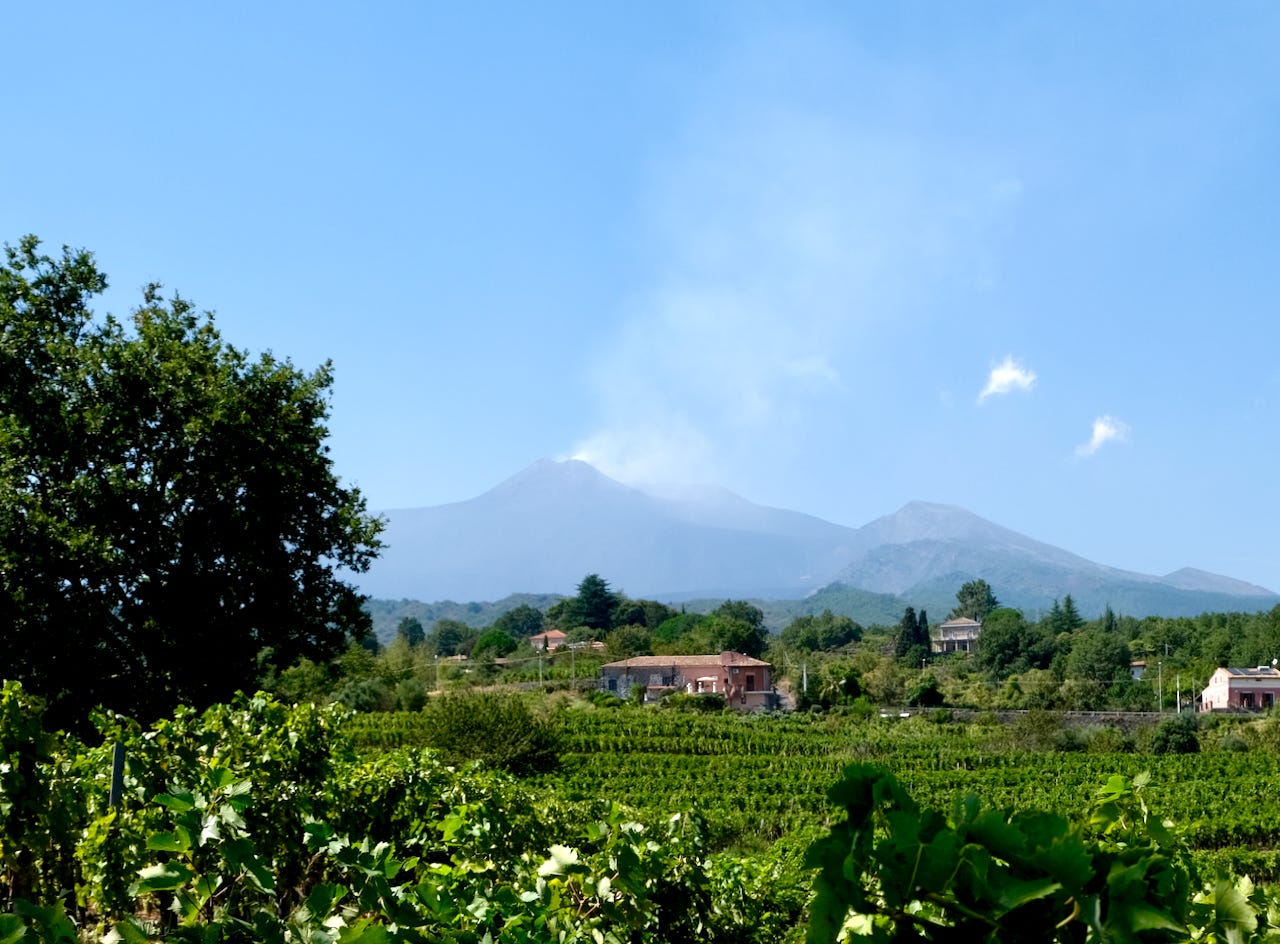
Longtime readers know my fondness for Etna wines, both white and red. I’ve visited the region on several occasions, most recently in September 2024 (read that trip report here). Below are two widely available Etna Rosso wines from notable producers.
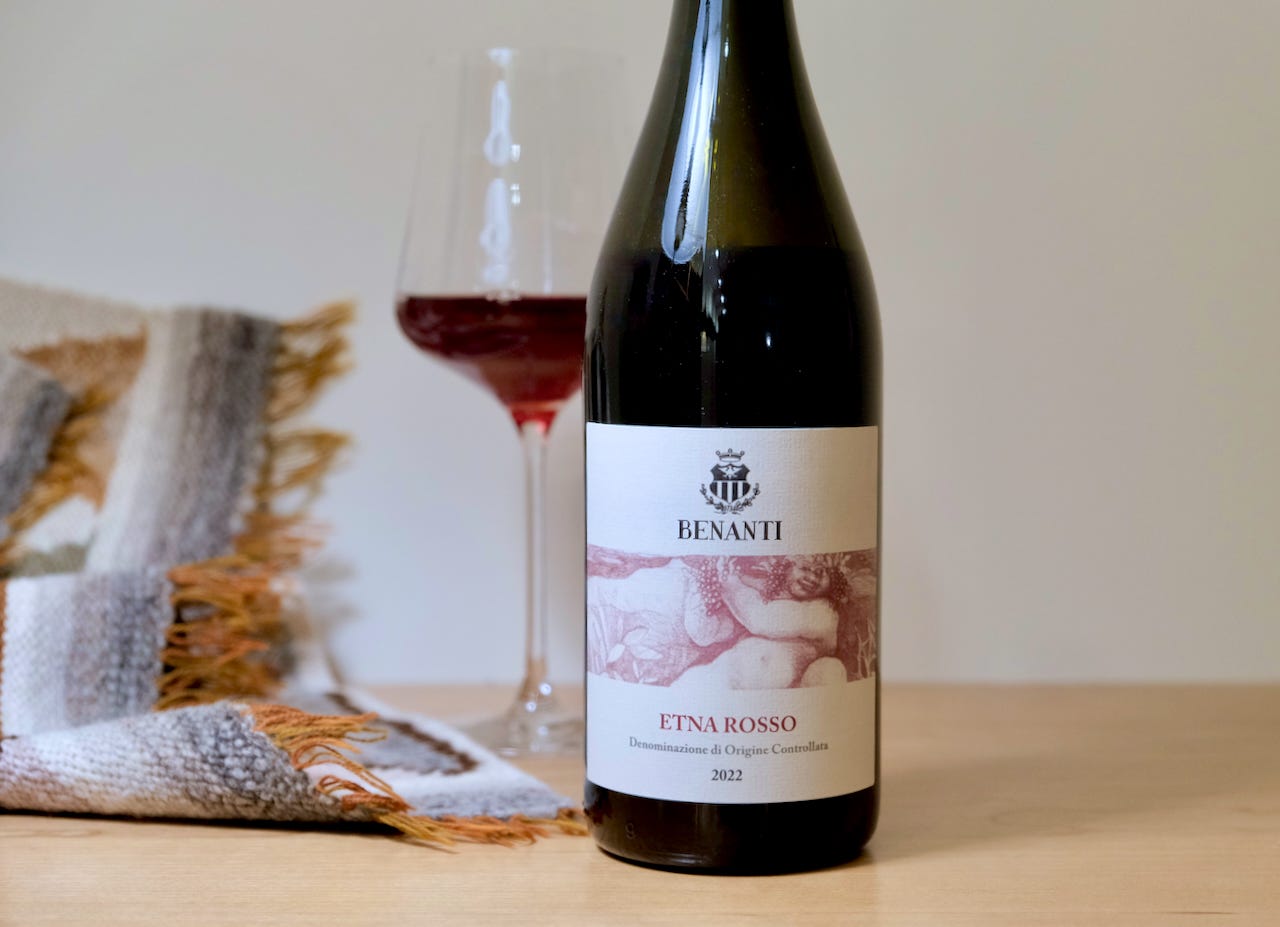
Benanti Etna Rosso 2022
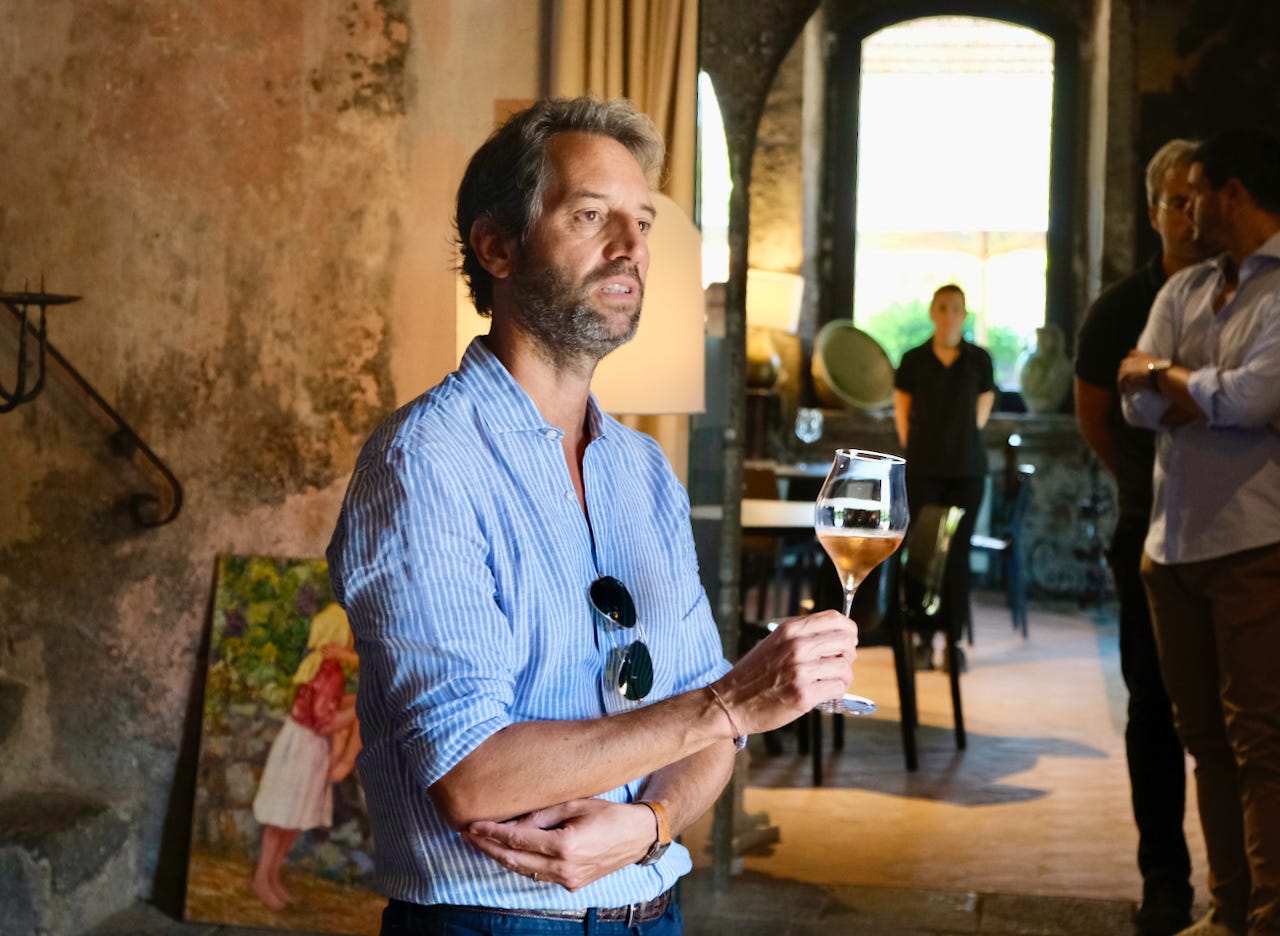
I admire Benanti’s wines, having twice tasted at the winery with Salvino Benanti, one of the second-generation twin brothers now in charge of the estate. The winery, located in Viagrande, owns vineyards all over the volcano and works only with indigenous varieties—Nerello Mascalese, Nerello Cappuccio, and Carricante—to produce white, rosé, red, and sparkling. Their Etna Rosso is 80 percent Nerello Mascalese with 20 percent Nerello Cappuccio, and the blend ages in both stainless steel and oak. The perfume is floral, piquant, a bouquet of dried rose petals and spice. The texture’s light, with vanishing tannins and crunchy fruit: cranberry, pomegranate, red currant. It’s a brisk red, with a forthrightness that feels correct and welcome.
13.5% ABV | About $30; imported by Wilson Daniels
Graci Etna Rosso 2023
Graci is located on the north slope of Etna, near Passopisciaro. They farm in several highly regarded contradas, including Feudo di Mezzo, Muganazzi, and Santo Spirito. This varietal Nerello Mascalese is grown at 600 to 700 meters above sea level, and the fruit is vinified with ambient yeast without temperature control in oak vats. The wine ages for 18 months. It’s limpid red and perfumed of flowers and cherries, strawberries macerated with balsamic, cinnamon and allspice. This profusion dissipates as the wine hits the palate and flows in a tight, straight line to the finish. Floral and cleansing at once, it was terrific with a fish dish accented with ginger and soy.
14% ABV | About $25; imported by Massanois
What would the ancestors say?
Earlier this month, I praised three wines from Albert Bichot, an ancient producer of Chablis, Burgundy, and Beaujolais wines now run by the 6th generation. I love to imagine the reaction of the original Monsieur Bichot on learning that his successors had slapped the family’s label on a passetoutgrain, offered it for $30, and actually won a customer.
Because passetoutgrain is historically a drinkable quaff of the people, not the peerage. Originally a field blend of Gamay and Pinot noir, harvested together and co-fermented—passe tout grains suggesting one should “put all the grapes together into the vat”—it’s intended as a lightly colored, fruity wine to be drunk young.


Even after Gamay was banished from the Côte d’Or, in the late 14th century, plantings remained for production of passetoutgrain, sometimes written passe-tout-grains. In the modern era, the wine earned legal AOC status in 1937, and the current rules stipulate the blend must contain a minimum of 30 percent Pinot noir and 15 percent Gamay.
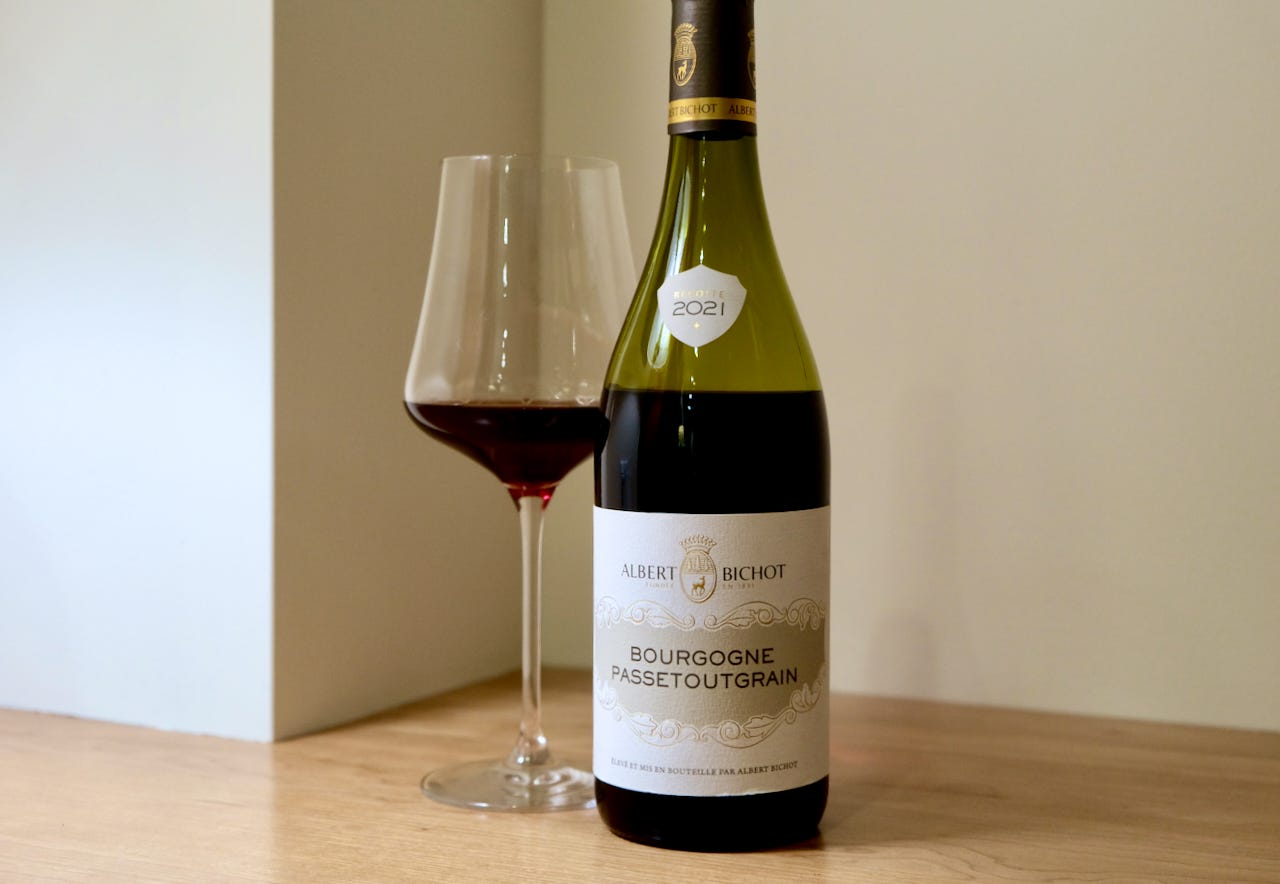
Albert Bichot Bourgogne Passetoutgrain 2021
Bichot sources the Pinot noir and Gamay for their passetoutgrain from vineyards in the Côte d’Or and northern Saône-et-Loire départements. They still follow the ancient practice of co-vinification, and the wine is aged in stainless steel for eight or nine months before bottling. At first it’s grippy and astringent, the aromatics tinted green. But air loosens its resolve, and it starts to yield flavors of cherries and earth. Rummaging in its dark mid-section, I’m rewarded with savoriness and leather, a kick of peppery spice. I would not classify this as a lighthearted quaff, and it needs some babysitting in a decanter to be fully accessible. But it’s worth the effort to taste this bit of ancient history.
12.5% ABV | About $30; imported by Albert Bichot USA
All images ©2025 Meg Maker. Some wines (indicated) were samples for review.
Somehow I have (unintentionally) completely avoided Merry Edwards through my entire wine drinking life.