


Welcome back to The Salt, my weekly curated collection of writing and marginalia at the intersection of wine, food, and culture.
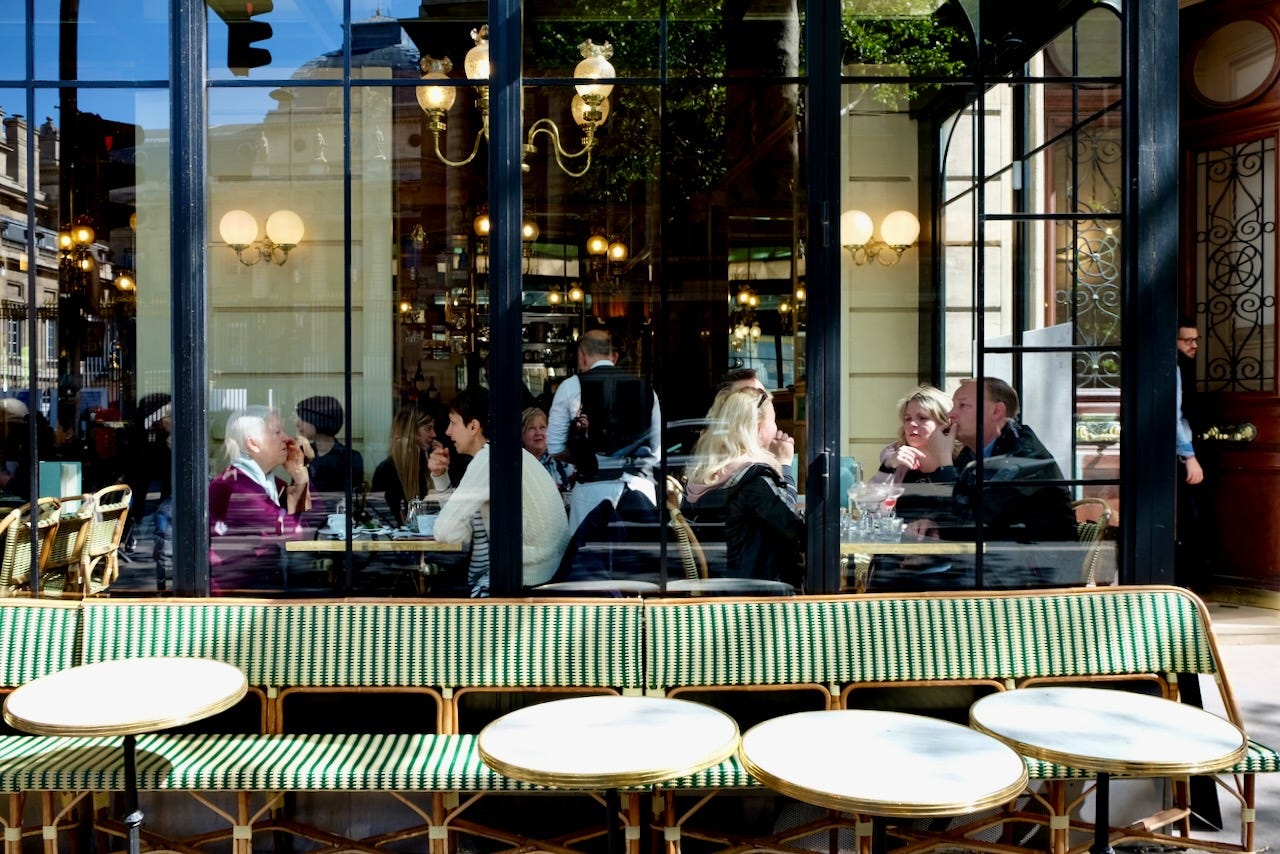
Please note: Our menu options have changed
The New York Public Library’s Buttolph archive catalogs a trove of menus collected between 1880 and 1920, America’s dawn of dining out. Writer Stephen Lurie reviewed thousands of these early menus to decipher what they signal about the evolution not only of food, flavor, and taste but also social status, entertainment, and access. His new interactive essay, A History of Menus is a Menu of History, is a “story in ten dishes,” fetchingly illustrated by Jenna Lechner, that helps us understand how menus “reflect the class, gender, political, technological, and environmental shifts of history.”
Rules hidden in plain sight
Fast-forward a hundred years. Sociologist Gillian Gualtieri of Vanderbilt University interviewed 120 chefs at top U.S. restaurants and analyzed 1,380 Michelin reviews to assess how our perception of an eatery’s genre—“classic,” “flexible,” or “ethnic”—affects our perceptions of quality, authenticity, and value. The full paper, Discriminating Palates: Evaluation and Ethnoracial Inequality in American Fine Dining (2022), is available for download on JSTOR (an account gets you 100 free articles per month). Unsurprisingly, so-called ethnic restaurants find themselves systematically de-valued in the American dining scene. “This differential process of evaluation produces a system of value predicated on racial hierarchy that affects how chefs and critics understand and engage with their critical and creative work,” Gualtieri writes. It’s a rich study and superbly argued, but if you just want the TL;DR, read this helpful summary on JSTOR by Laura Clawson: The Hidden Rules of Fine Dining.
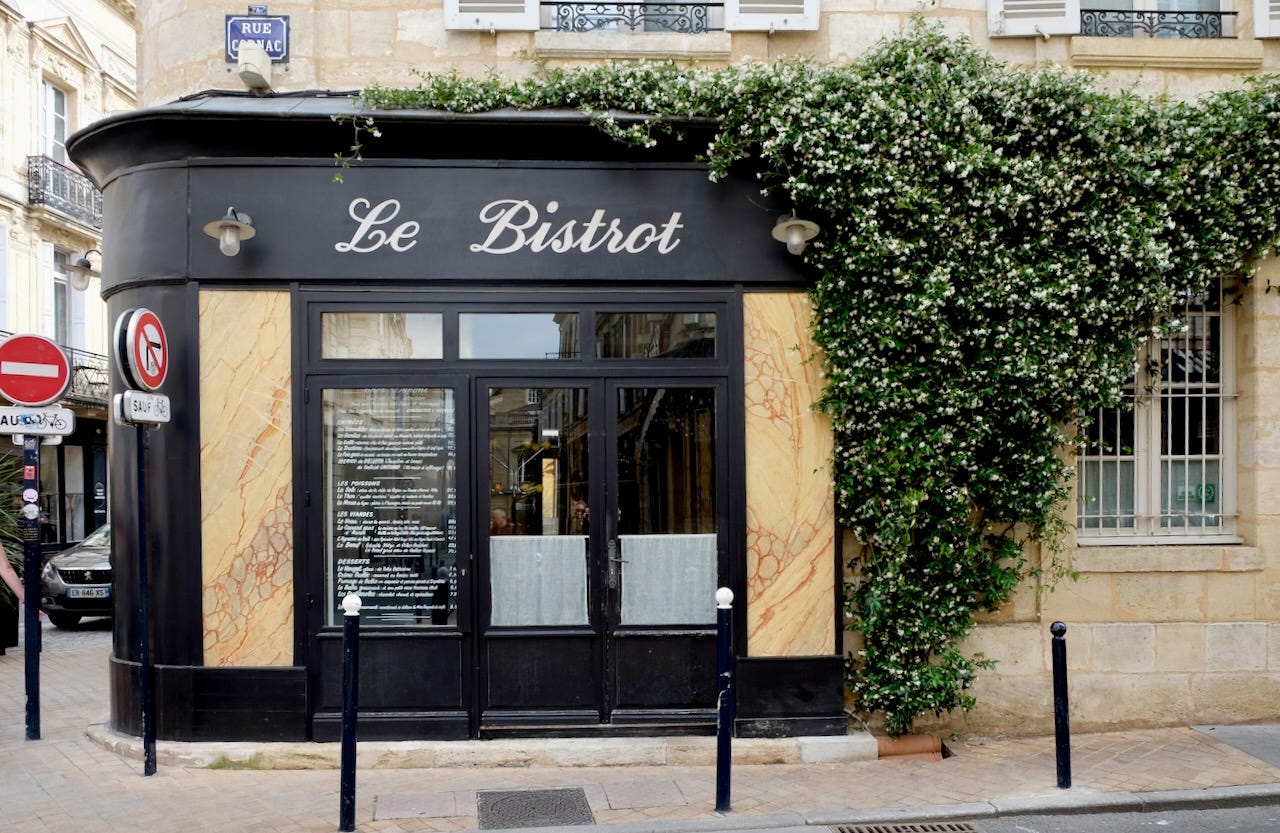
Meanwhile at Le Bar
French language instructor Timothée Lesoin, of French with Timo, offers a field guide to the bar, helping us Anglophones order drinks with confidence. “The good news: you don’t need perfect French. You need maybe six phrases and a basic sense of how French bars work.” He sketches the essential mechanics—entering, taking a table, ordering, asking for water—then adds cultural markers and other signals to negotiate. His inline audio clips help you practice your accent. Success essentially boils down to common courtesy. “Say bonjour when you walk in. Say au revoir when you leave. Say s’il vous plaît and merci in between. These four things—not your accent, not your vocabulary—are what determine whether you’ll be welcomed back.”
Build a better mousetrap
Miguel Crunia, the Galician Sommelier, has penned a great science explainer on mouse taint. It’s hardly a new fault, but it’s more prevalent now thanks to warmer vintages and a fashion for using less sulfite in the winery—so-called natural winemaking. For those unfamiliar with this fault (lucky you), it presents as a putrid retronasal smell often described “used rodent cage.” I also get a note of rancid butter, thanks to the role lactic acid bacteria play in its genesis. Crunia tackles the established and new science and derides those who embrace the fault as a marker of more authentic winemaking. “Oh, give over!” he writes. “It’s a bloody fault. It makes wines undrinkable. End of story.” I agree.
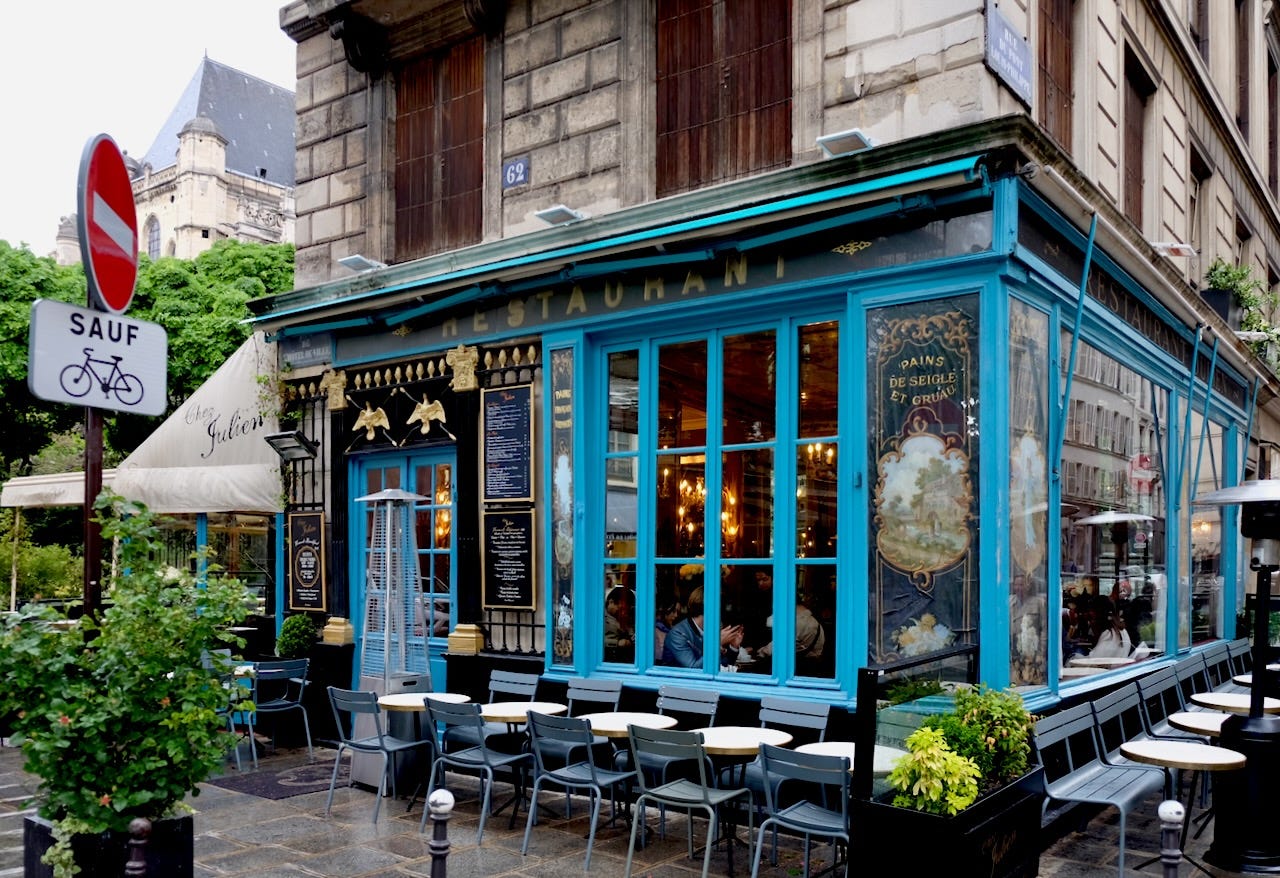
Wine in situ
LaShea Delaney diagrams lessons learned from building community-focused wine programs for her retail and restaurant clients. “Before a wine program can be created—after the food has been decided on, after a chef has been hired, after the space has been imagined into existence—a restaurant owner, shop owner, or chef has to ask one question: Who are my guests going to be?” That customer-centricity helps bring the establishment into alignment with the spirit and tastes of its community. “There is nothing wrong with region, variety, or price being the thing that guides a list,” she says. “But there is something special when the choices reflect what you truly believe in.” She ends with a bit of advice to us all: “The next time you open a wine list, I want you to read it a little differently. Not as a test to pass, but as a document. Ask yourself: Whose values are reflected here? Who was thought of when this was built?”
See you next week.
Images ©2026 Meg Maker; I apologize for having zero photos of American restaurants