


We often talk about wines categorically. We refer to color, sweetness, textural style (still or sparkling), and whether it’s a table wine or meant for occasions.
Another useful category is method.
Method is about process, not product. It names the technique used to produce the wine, not what the wine looks or tastes like or how it’s meant to be served.
Method is about making.
On the other hand, a method is designed to ensure a predictable outcome. So method does offer many clues about the wine’s finished style.
We’ll explore more on that later, but first, here’s a short glossary of common method-based terms you’ll find on labels and in the literature.1
Glossary of winemaking methods
Traditional method
Sparkling; white, pink, rarely red
A dry base wine is bottled with sugar and yeast for a second fermentation to create trapped carbon dioxide gas. The wine is disgorged and topped with a mix of wine and sugar (dosage), then rested before release. Wines that receive no sugar are called brut nature or zero dosage. Traditional method wines are nutty and complex because of the bottle conditioning and aging protocols. Synonyms: méthode traditionnelle (France), metodo classico (Italy), and método tradicional or just Cava (Spain); often abbreviated MT.
Ancestral method
Sparkling; white, pink, rarely red
A wine is bottled before it’s dry, then completes its fermentation in that vessel. It is generally not disgorged and topped, so is fully dry, lightly cloudy, and savory from the retained lees. The method pre-dates complex traditional method winemaking and is often favored by producers who work naturally. Synonyms: méthode ancestrale (France), metodo ancestrale or col fondo (Italy), pétillant naturel (France), and pét-nat (many regions).
Tank method
Sparkling; white, pink
A dry base wine is moved into a pressurized tank (autoclave), and sugar and yeast are added for a second fermentation. The wine is bottled under pressure. Tank-method wines tend to be clean and direct thanks to surface-to-volume ratios that limit total lees contact. Also, winemakers use tank methods to produce a fresher style of wine to suit regional tradition and market demand. Synonyms: Charmat (France) and Martinotti (Italy).
Skin contact
Still, sparkling; gold to deep orange
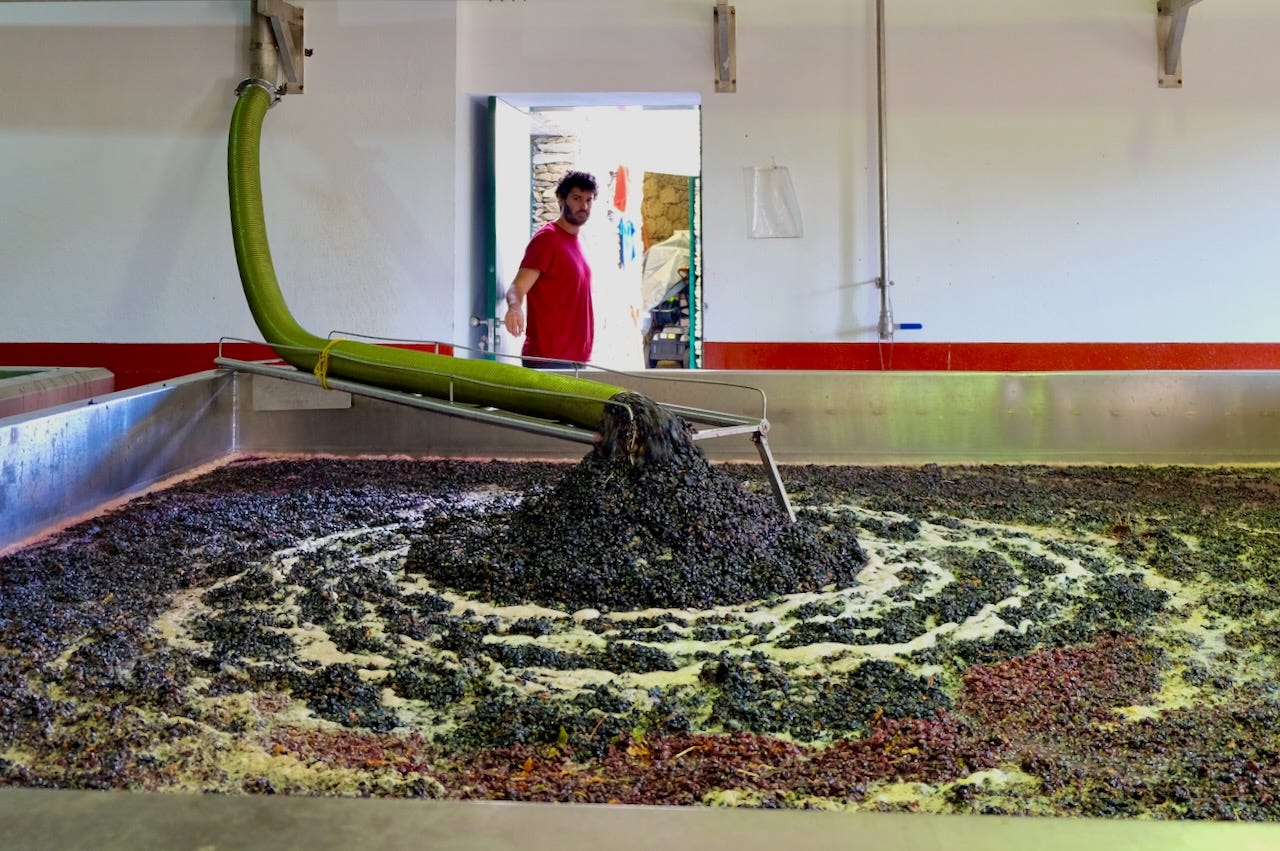
White grapes macerate with their skins, seeds, and pulp for a portion (or even all) of primary fermentation, contributing color, tannin, and flavor and aroma compounds. A base skin-contact wine can also be turned into a sparkling wine via bottle conditioning. The tradition originated in the Caucasus but has been reinvigorated in the last two decades. Synonyms: skin fermented, macerated, orange, and amber; vin orange (France), vino macerato and in some cases ramato (Italy).
Passito
Still; red, white
Grapes are dried on straw mats (traditionally) to concentrate their sugars before pressing and fermentation. The result is a sweet wine. Passito is Italian; synonyms include straw wine, vin de paille (France), and Strohwein (Germany).
Botrytised
Still; white
Botrytis cinerea fungus infects grape clusters, thinning the grape skins. This shrivels the berries, concentrates sugars, and creates honeyed and lightly savory flavors. Synonyms: noble rot, pourriture noble (France); Trockenbeerenauslese (Germany), and Aszú (Hungary).
Sous voile
Still; white
Wine ages in cask under a layer of yeast, creating nutty tasting acetaldehyde. The casks are not topped, so the wines also tend to be oxidative. Sous voile is French; other terms include bajo velo or flor (Spain), biological aging, or aging under a veil.
Sur lie
Still, sparkling; white, pink (sparkling)
Wine ages in the bottle with its fine yeast lees, adding texture and bready flavors and protecting it from oxidation. Sur lie aging is used for still wines, but sparkling wines are often described as resting sur lie or sur lattes prior to disgorgement. Sur lie is French; synonyms include sui lieviti (Italy) or lees aging.
Fortified
Still; red, white, tawny
Grape spirit is added to wine during or after fermentation, raising the finished alcohol. Early spirit addition kills yeasts and preserves residual sugar. Late fortifications create a dry wine. The wine is bottle or cask aged to produce a range of styles. Port, Madeira, Marsala, Sherry, and Vermouth are ancient styles, but producers especially in North and South America and Australia experiment to create fresh iterations.
Aromatized
Still; red, white
Herbs, spices, barks, fruits, citrus peels, and other botanicals are infused in a base wine, along with grape spirit and sweetener. Aromatized wine is a class of fortified wine. Synonyms: vin aromatisé or vin tonique (France), vino aromatizzato or aperitivo (Italy), or sometimes just Vermouth.
Saignée
Still, sparkling; pink
Juice is drawn off from a tank of newly fermenting red wine, then vinified separately as a rosé. The process was traditionally followed to concentrate the red wine; the drawn juice was a byproduct. The base pink wine can also be used to make a sparkling wine. Saignée is French; synonyms include bled or bleeding.
Pressed
Still; white, pink
Red grapes are gently pressed and the pink juice is vinified into a rosé. Also used to describe white grapes that get gently pressed to avoid any skin contact. Pressed juice can be turned into still or sparkling wine. Pressed rosé is often contrasted with saignée rosé. Synonyms: direct-pressed, vin gris (France; rosé only).
Barrel-fermented or barrel-aged
All styles
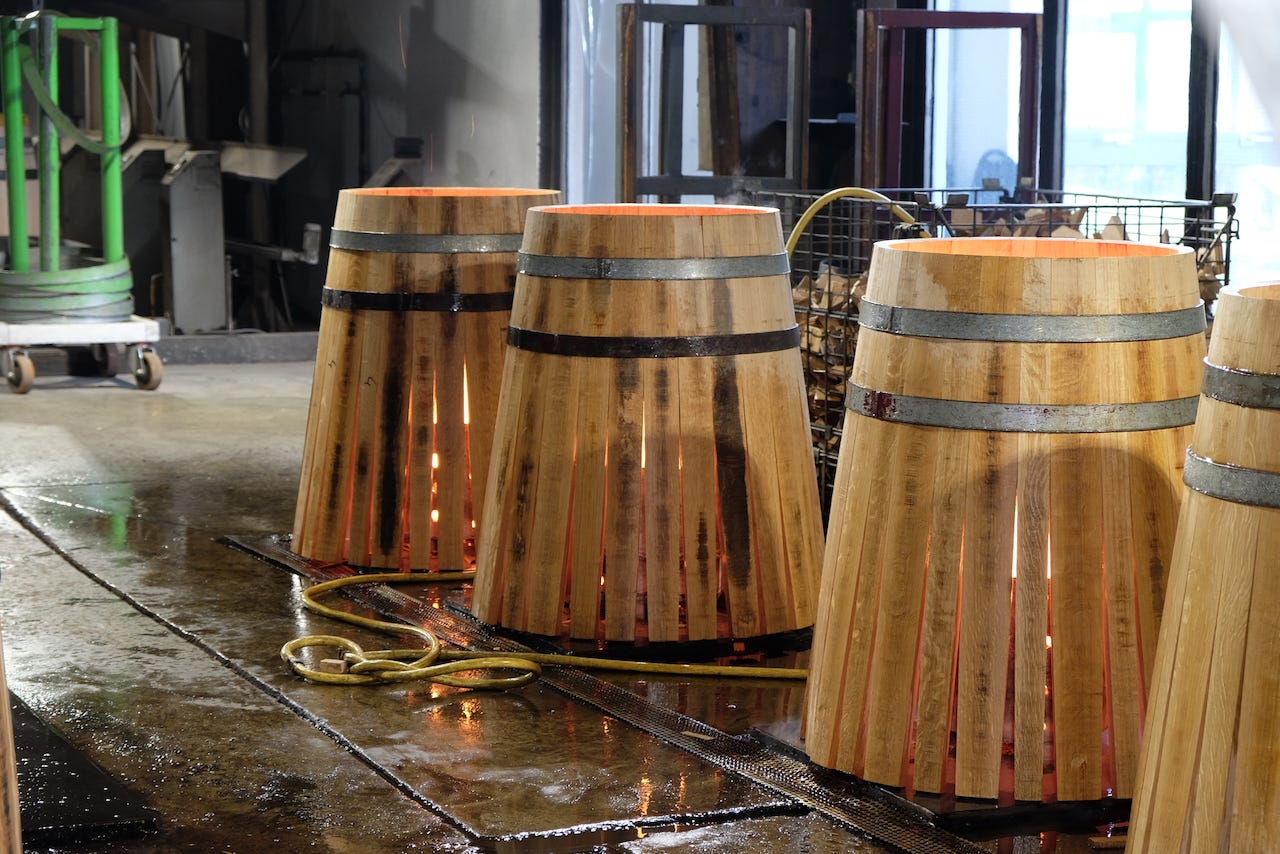
Wine that experiences barrel at a given stage of production, exposing it to oxygen and contributing wood and toast flavors. Base wines for sparkling can be barrel-fermented; still wines of all colors may be barrel fermented or aged. Synonyms: élevé (or fermenté) en fût de chêne (France), affinato in legno (Italy), crianza en barrica (Spain).
Discussion
Even though method is about making, method does offer clues about what to expect in the finished wine.
That’s because method dictates outcome. Traditional method, ancestral method, and tank-method wines will always be sparkling. Skin-contact wines will be more textural than pressed whites. Botrytized, aromatized, and sous voile wines will have unique, specialized flavors. Sur lie wines will be rounded and savory. Passito wines will be sweet.
Once you start paying attention to method, you can explore these outcomes, compare and contrast them, to get a sense of what the makers intended.
Sparkling methods provide a good example of this phenomenon.
