


Potassium is an elemental metal with atomic number 19 and symbol K in the periodic table. It readily gives up its sole outer electron; in fact it’s so reactive it doesn’t exist in nature as a pure metal but is instead bound as a compound or salt.
Etymology
The symbol K derives from the Neo-Latin word for potassium, kalium.
The word potassium derives from potash (literally “pot ash”), historically made by soaking wood ash in water to yield caustic lye. This solution reacted with carbon dioxide and was boiled dry to create potassium carbonate, the principal component of potash. This was used in production of soap, bleach, glass, gunpowder, and as a leavening agent.
Potassium in biology
Potassium is essential to cellular function in all plants and animals, allowing organisms to regulate the flow of water, nutrients, and electrical charge across cell membranes. The potassium cation, K+, is the main positively charged ion in most living cells. Together with the sodium cation, Na+, it facilitates the transport of sugars and amino acids through membranes.
Humans need potassium for neural, muscular, and cardiac processes; hormonal systems; electrolyte balance; renal function; and many more biological activities.
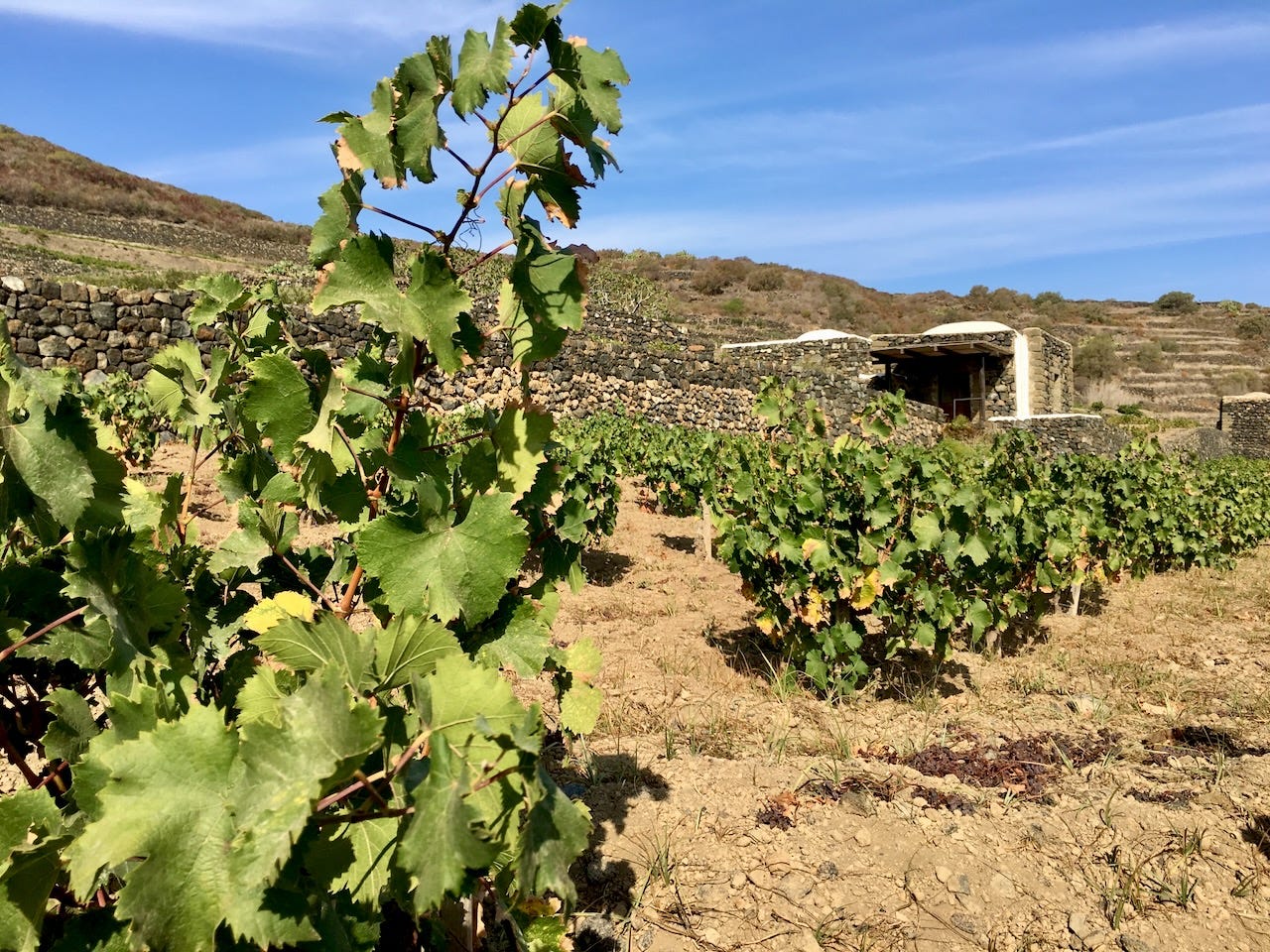
Plants need potassium for water transport, photosynthesis, respiration, ripening, maintaining turgor, and activating many enzymes. Signs of potassium deficiency include yellowing (chlorosis) at the leaf margins. In severe cases, the plant will shrivel and become more susceptible to disease.
Although potassium is the eighth-most abundant element in the earth’s crust, much of it is unavailable to plant roots, locked up instead in rock (granite, feldspar, mica) or clays. Weathering and cation exchange release potassium into moist soils, where plant roots can take it up. Dry soils inhibit uptake.
