


Indigenous means arising within or naturally occurring in a particular place. The territorial nature of indigeneity is key to its application to wine.
The word stems from Old Latin indu, “within,” and gignere, “to beget,” “give birth,” or “bear.” These roots also give us genesis, genetics, and genre.
In wine, synonyms for indigenous include native and autochthonous. These terms refer to a grape variety that originated in a particular region and may still persist there, having become part of the area’s tradition, culture, and flavor.
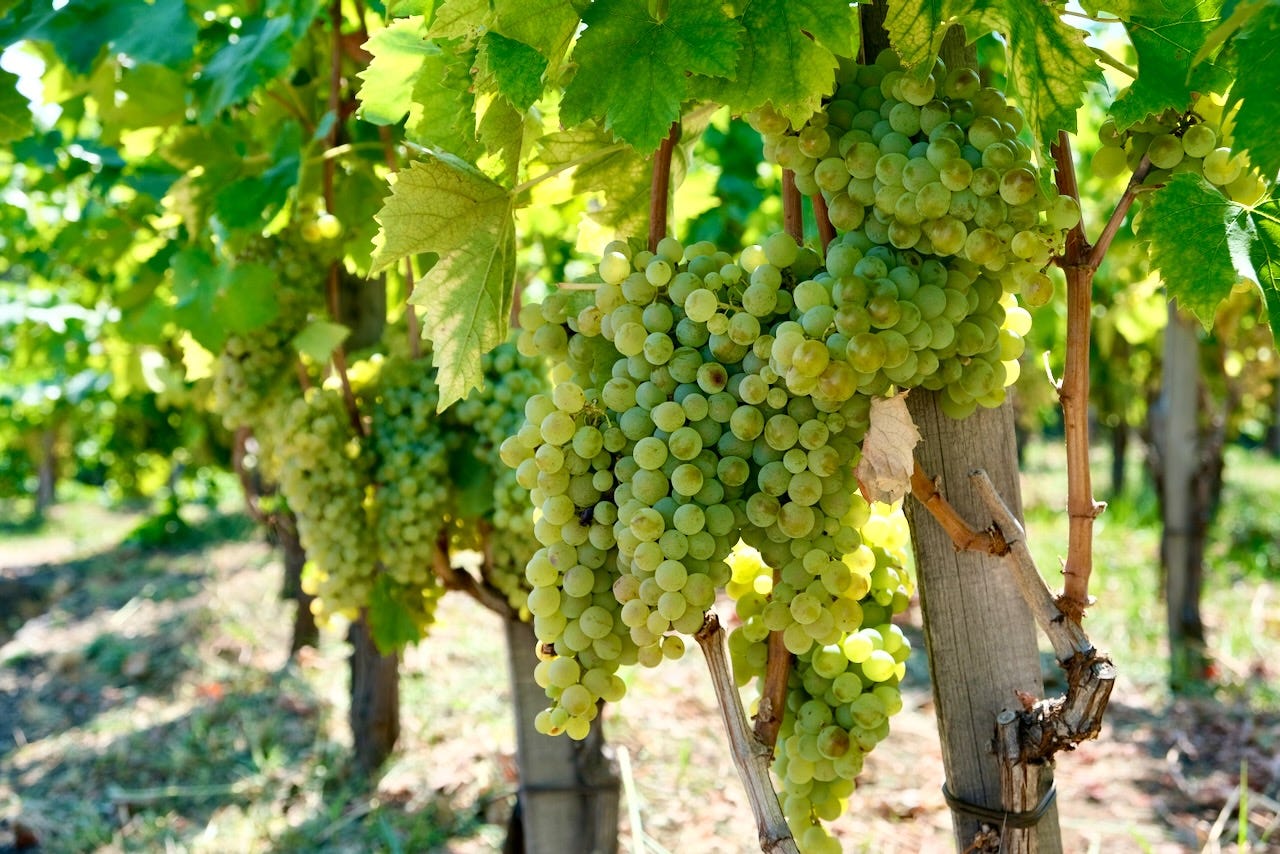
How new grape varieties arise
To understand indigeneity, it’s useful to review how grapes reproduce. Vitis vinifera is highly heterozygous, meaning that the gene sequence differs on each of its 19 pairs of chromosomes. The result is that its seeds contain a mix of genetic traits that don’t exactly match those of the parents.
The offspring vines may have different berry size, growth schedule, or tolerance for drought, heat, or disease, and will almost certainly produce a wine with different chemical and organoleptic properties. This is why grapevines are propagated by cuttings rather than seeds.
Other familiar heterozygous plants include apple, avocado, walnut, and pecan, all of which must be grafted to ensure the new plants have the same genetics as the source material.
Indigeneity and fitness to place
Sometimes the new grape-from-seed has favorable traits. It thrives in local conditions better than the other available varieties and produces better wine. To preserve its genetics, the vine grower will take cuttings of the cane and, historically, layer them in the ground to encourage rooting. After Phylloxera, the cuttings are almost invariably grafted onto a resistant rootstock.
That new variety is said to be indigenous to the region where it was born.
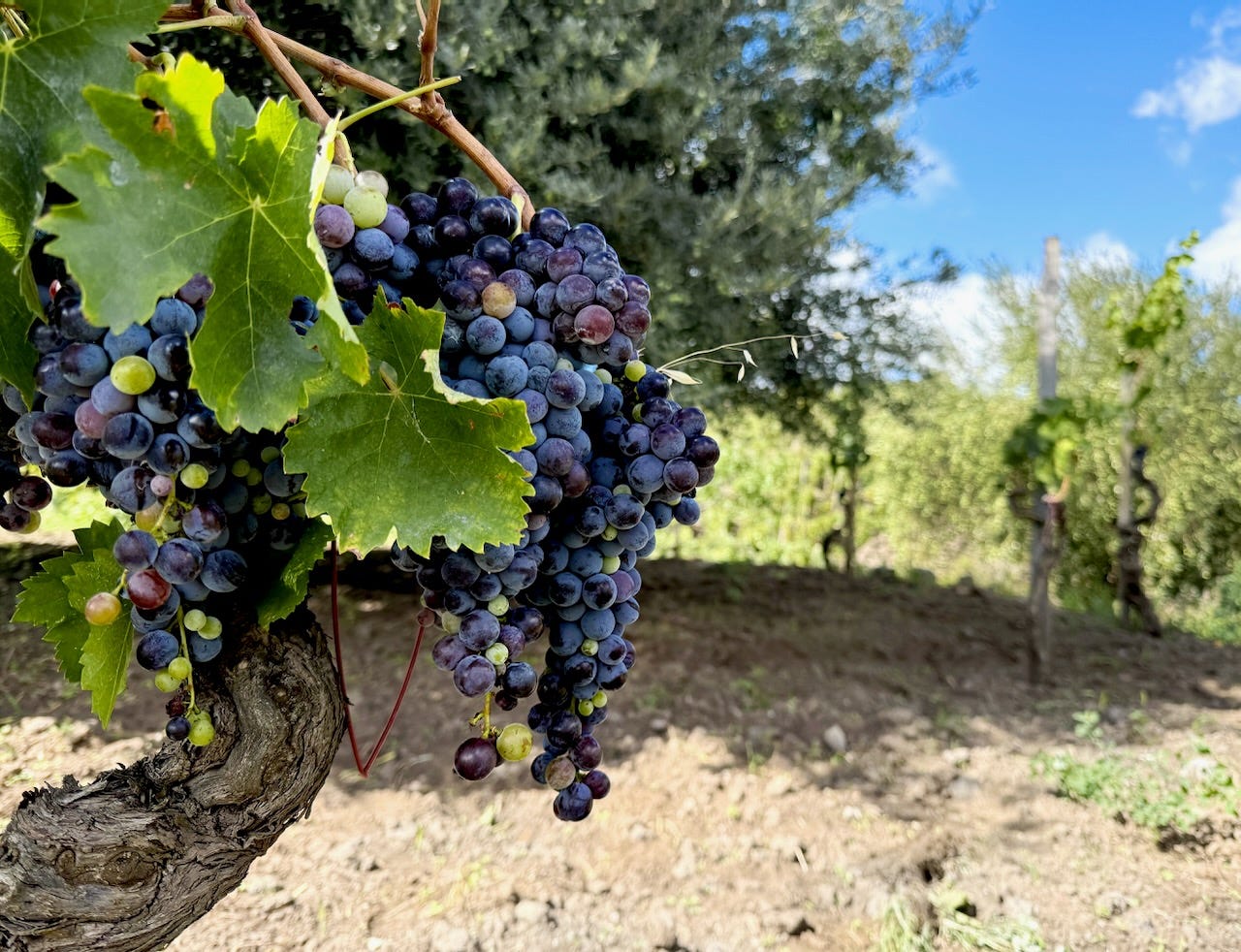
The wandering vine
Many grape varieties have been continuously cultivated in their original territory, but that doesn’t mean they can’t thrive elsewhere. Pinot Noir and Chardonnay (from Burgundy), Cabernet Sauvignon and Merlot (Bordeaux), and Riesling (Germany) remain in situ but are also widely planted throughout the northern and southern hemispheres.
