


Élevage is a French term deriving from the verb élever, “to raise up,” from Latin elevare, “to lighten.” Our English words elevate and elevator share the same root. The word also implies rearing or husbandry, reflecting the care and effort required to bring wine to maturity.
Élevage refers to cellar maturation in vessel
In wine production, élevage is the period of cellar aging after primary alcoholic fermentation but before bottling. During this phase, the wine undergoes further biological and chemical conversion, plus integration, stabilization, and clarification.
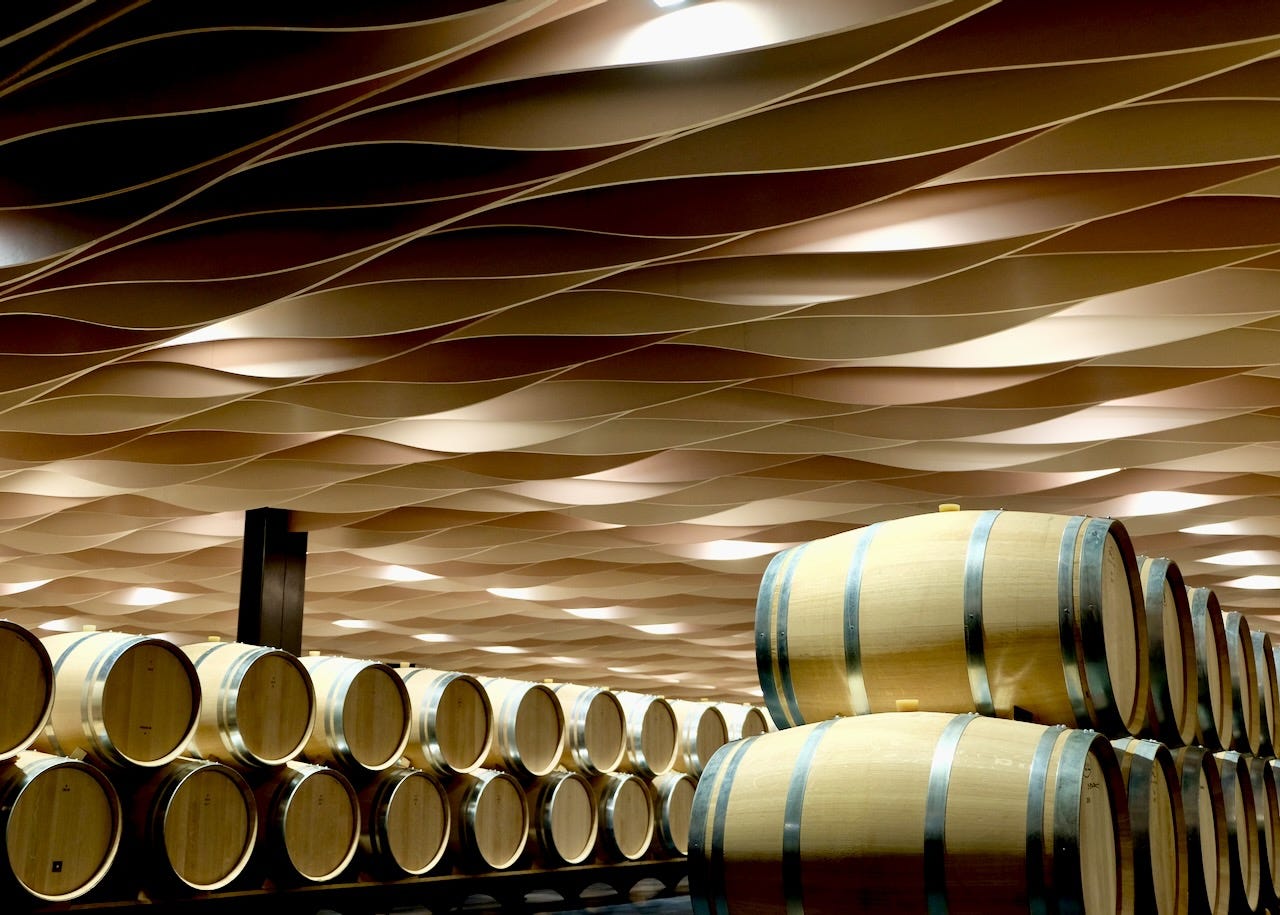
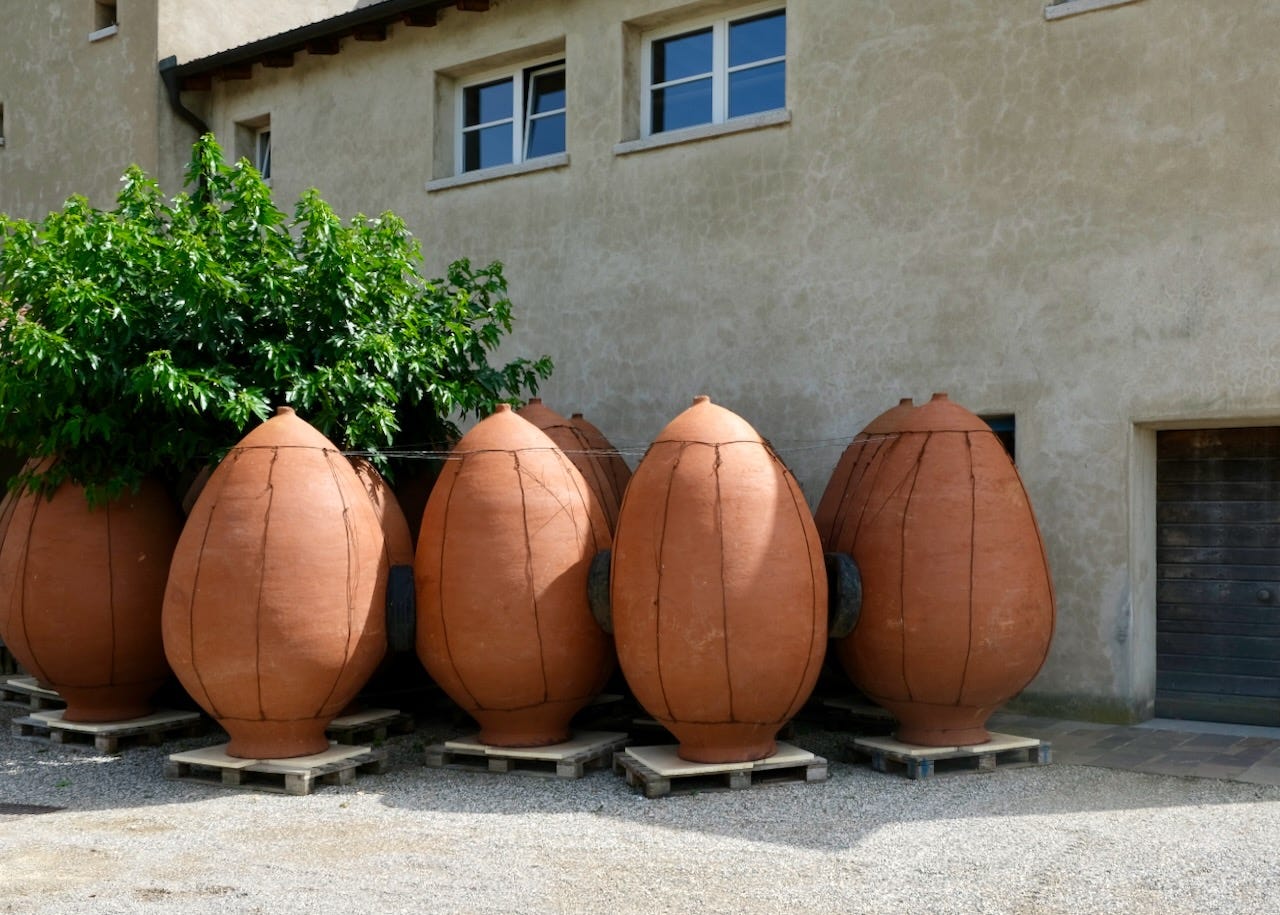
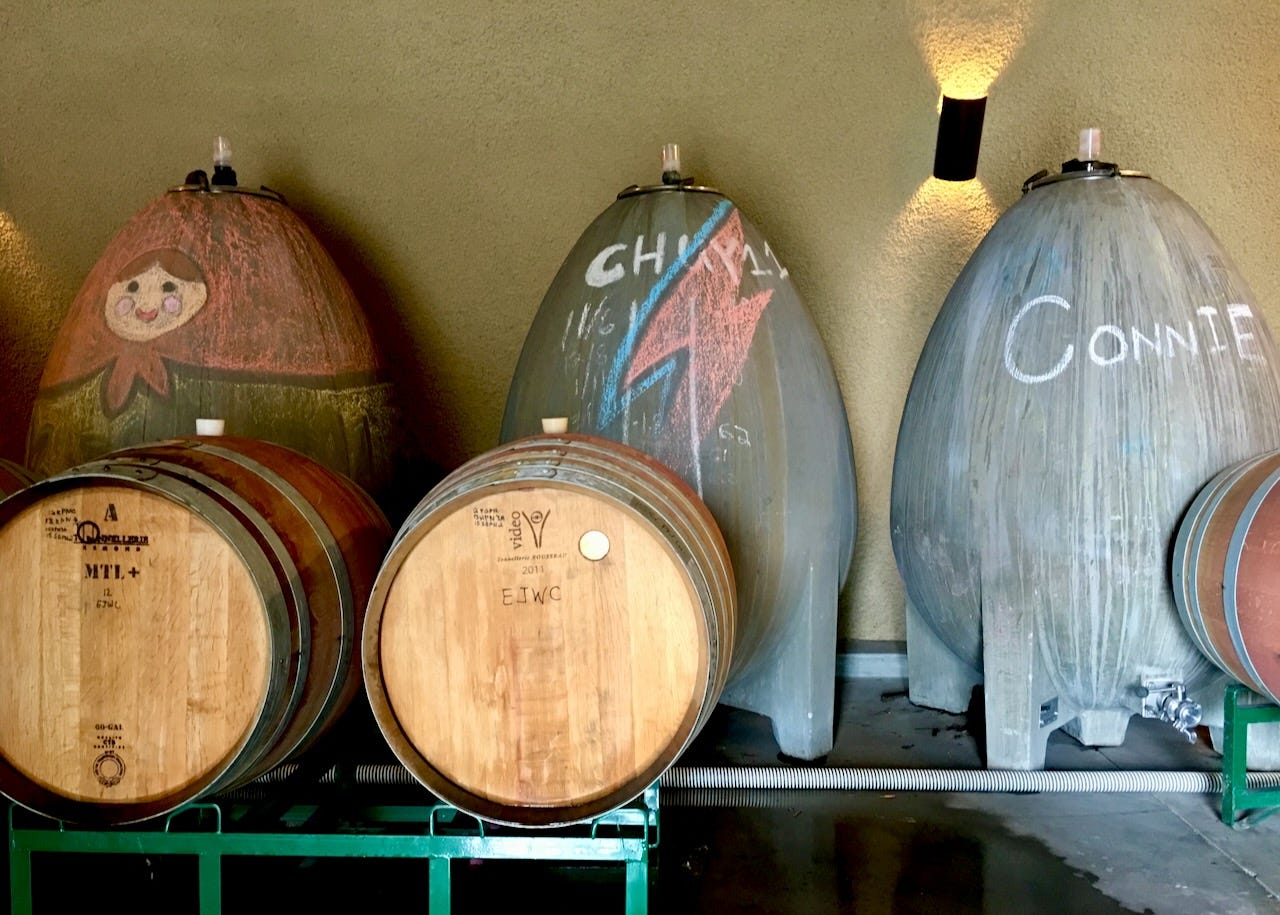
Traditionally, wine was aged in wooden barrels or tanks, often made of oak, chestnut, or acacia, or in large terracotta vessels. These materials are still used alongside modern stainless steel and concrete.
The range of styles and materials now available offers creative latitude to the winemaker. One of the first considerations is about oxygen exposure:
Porous materials like wood offer an oxidative élevage, which aids the development of desirable textural, aromatic, and flavor compounds, and also enhances stability.
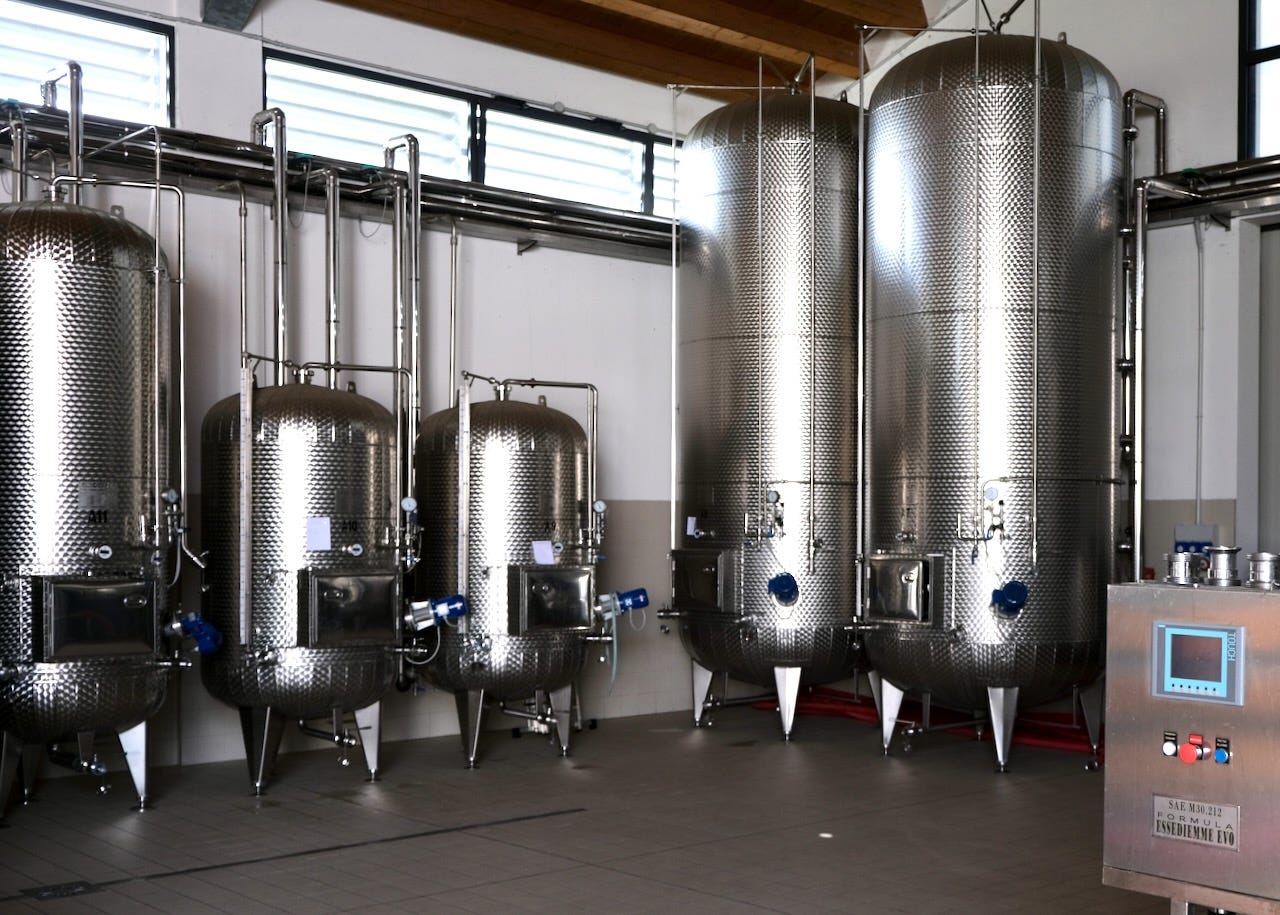
Impermeable materials like stainless steel offer a reductive élevage, limiting oxygen and preserving primary fruit flavors and aromas.
Semi-permeable materials like concrete and terracotta split the difference, offering micro-oxygenation, to a greater or lesser degree depending on porosity. These environments preserve fruit while giving the wine modest experience with the oxygen it will encounter later in life.
Oxygen management during élevage is a delicate calculus involving grape, style, and target aesthetic expression. Too much oxygen can flatten a wine, muting its freshness and vibrancy and creating volatile acidity. Too little can hamper the wine’s evolution, creating off aromas, particularly sulfurous, and rendering the wine unstable.
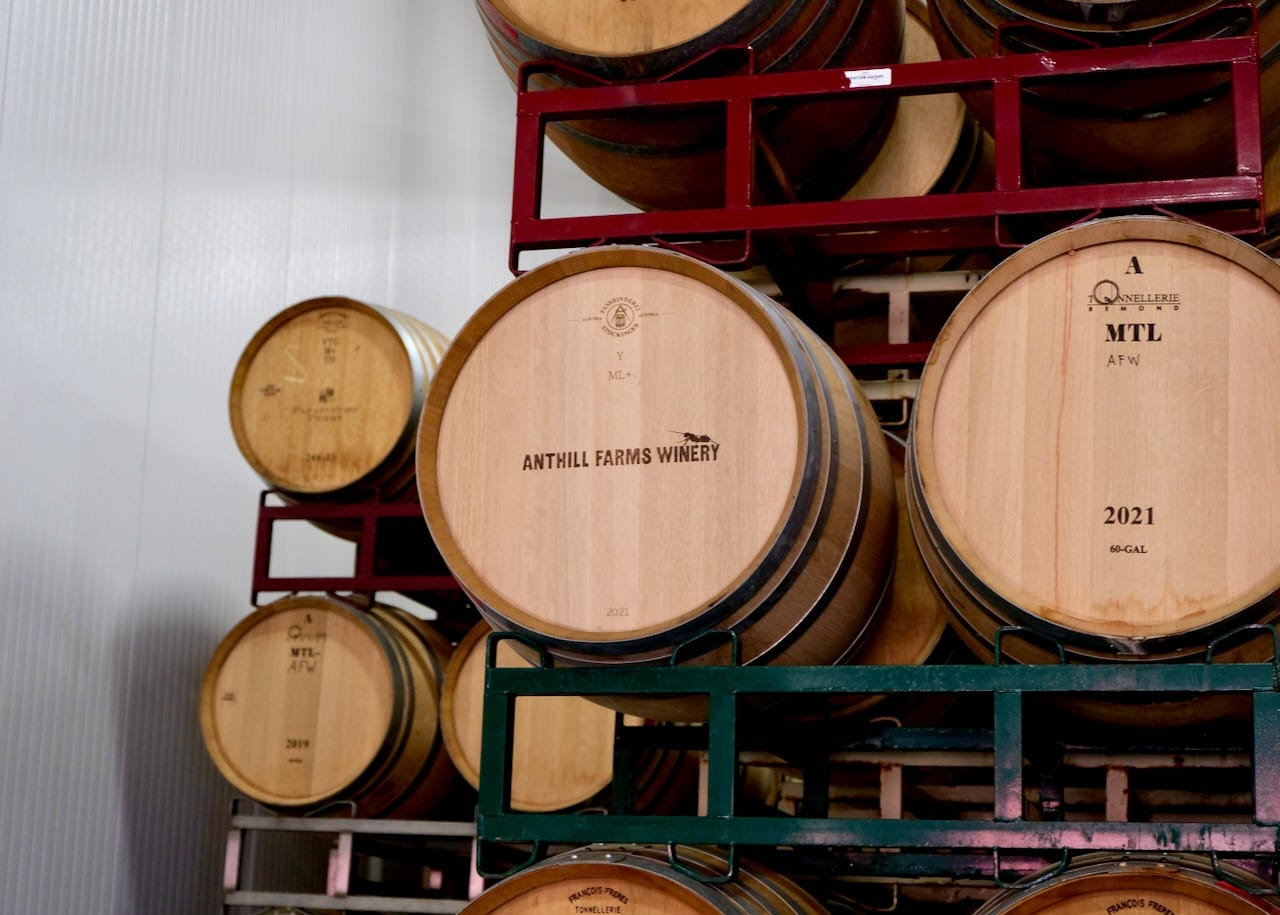
Winemakers also need to consider whether the vessel itself imparts flavor to the wine:
New oak contributes tannin, lactones, and, depending on species and barrel toast, flavors of caramel, chocolate, vanilla, and spice.
Used oak loses its flavor over time until it’s considered neutral; large wood tanks, after years or decades of use, are always neutral.
Concrete and terracotta are neutral, although sometimes the wine inherits a faint taste of clay or stone.
Stainless steel is neutral.
The size of the vessel also matters. Smaller barrels have a high surface-to-volume ratio, exposing the wine to more oxygen and flavor. Winemakers often use a mix of vessels—large and small, reductive and oxidative, new and neutral—to yield a palette of options for producing the final blend.
Other transformations during élevage
Wine undergoes many chemical and biological transformations during cellar aging, and the winemaker may intervene to hasten, impede, or alter these aspects of the wine’s evolution:
Malolactic conversion (ML): This bacterial process, which converts sharp malic acid into softer lactic acid, may occur spontaneously or the winemaker may inoculate. Nearly all red and amber wines go through ML; for white and rosé it’s a stylistic choice. ML must complete during élevage so it won’t create trapped gas and off flavors after bottling.
Racking: Winemakers periodically decant the wine off its sediment into fresh vessels. This process clarifies the wine and introduces some oxygen, which can be beneficial during certain phases, especially for red wines.
Topping up: Adding wine to porous vessels that have lost volume due to evaporation addresses excess oxygen exposure and prevents bacterial and other infections.
Lees stirring, or bâtonnage: Winemakers may stir protein-rich spent yeast sediment, or lees, back into suspension to enhance the wine’s mouthfeel and flavor. Some vessels are designed to support this action without winemaker intervention; they’re usually ovoid or conical to encourage natural convective cycling.
Talking about élevage
We use the French élevage because it has no direct equivalent in English, although we also use aging, maturation, or just cellaring (although these terms can refer to storage of filled bottles before release). We also say a wine has been raised in oak or raised in a mix of vessels to identify the specifics.
Consumers are unlikely to need the term élevage when talking with a sommelier or shopkeeper, although they may encounter it in technical materials or on back labels. But it’s useful to become familiar with the variables in play during this period of the wine’s upbringing, given their decisive contributions to wine’s aroma, flavor, texture, structure, and longevity.
For example, if a Pinot noir made and aged in stainless steel tastes lightly spiced, that note originated in the fruit, not the vessel. The Pommard, Wädenswil, and 777 clones of Pinot are particularly spicy. Those spice flavors would be naturally amplified in a Pinot aged instead in toasty oak barrels.
On the other hand, if a Pinot grigio smells lightly sulfurous (like a struck match or cabbage), it was likely aged in steel, a reductive environment. This effect can be mitigated by swirling or decanting the wine, exposing it to the oxygen it didn’t get during élevage.
Further Reading


Photos ©2026 Meg Maker
The fun part is when semi-educated wine geeks hear that a wine was raised in neutral oak (say a large, old fuder) and start complaining about the oak aromas that are not there. OK…maybe not so fun. 🤣