


Dryness is both a measurable quantity and an immeasurable perception
Ripe grapes have abundant sugar, mostly fructose and glucose. During fermentation, yeasts eat the sugar and produce alcohol as a byproduct. Once these fermentable sugars run out, the yeasts die and fermentation stops. There remains a trace of residual sugar (RS), but not enough, and not of the right types, to support fermentation. The wine is now dry.
This is dryness as a laboratory metric, and it describes the vast majority of still wines on store shelves and wine lists. Think of technical dryness as the absence of sugar, much like cold is the absence of heat.
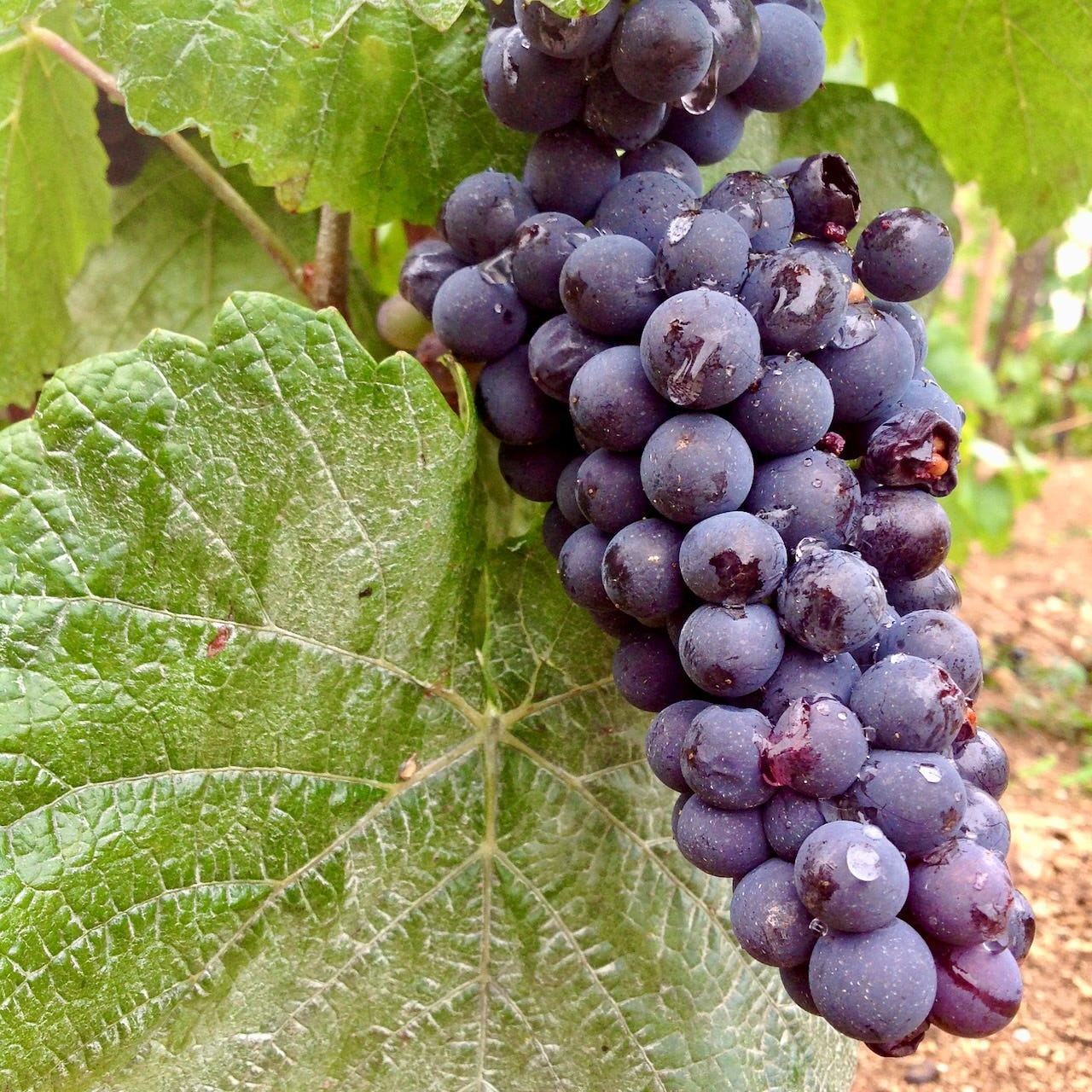
Dryness is also a perceived lack of sweetness
Wines with up to about 4 g/L RS taste dry. Above that, sugar starts to show itself to the palate, making the wine read as off-dry or sweet. High acidity can mask sweetness, even up to about 20 g/L RS, pulling the wine into balance. A handful of other confounding factors can make a technically dry wine seem sweet:
Floral and fruit aromas. Wines made from highly perfumed grapes like Gewürztraminer or the Muscats trick the brain into anticipating sweetness.
Vanilla, caramel, and warm spice aromas from oak aging. These feel extra prominent in white wines, but are also legible in reds treated to heavily toasted barrels.
High alcohol. Our tongues read alcohol as sweet, so above 14% ABV a wine may seem sweet even if it’s technically dry.
Some classic wines and styles fall along a dry-sweet continuum
Even if you’ve had a dry one, you might also encounter a sweet one:
Riesling can be bone dry or super sweet. The styles have legal names, but the alcohol percentage is a tell: dry Riesling is 12% to 14%, sweet is 7% to 9%.
Sparkling wines have sugar to offset taut acidity. Sugarless wines are Brut Nature (literally “raw plain”). Wines with a bit of sweetness are Brut, and wines with more sugar, and readily perceived sweetness, are Sec (dry) to Doux (soft). Yes, Brut is dry and “dry” is sweet. It is what it is.
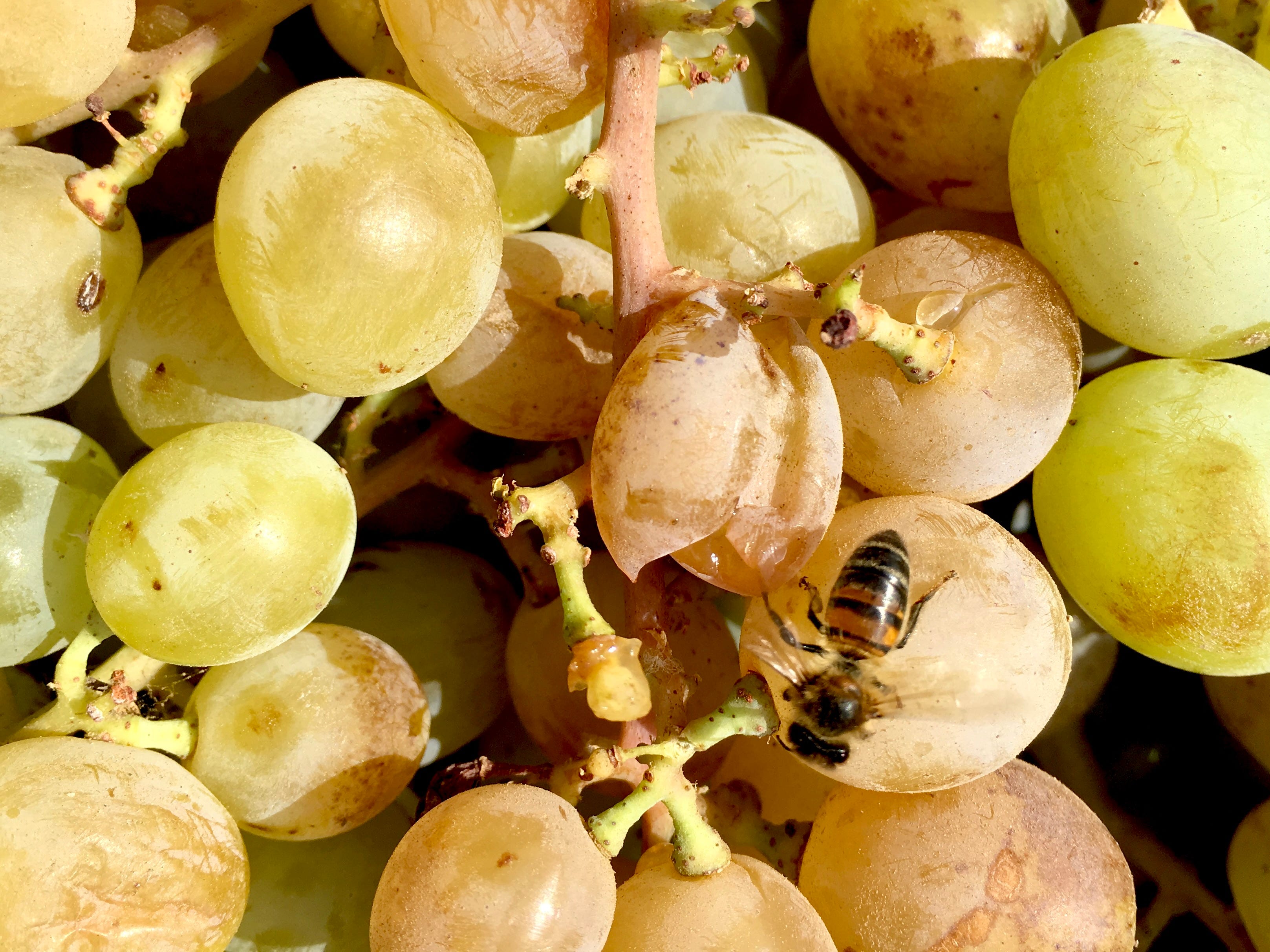
Talking about dryness in wine
Because some new wine drinkers start with sweeter wines, “dry” has come to signal sophistication. It’s a false hierarchy, but people often request a “dry wine” to telegraph authority in the category. This doesn’t give a retailer or sommelier much to go on, because most of their wines are technically dry.
If you want a wine you will perceive as dry, ask for any of the following:
Crisp, refreshing white wines with good acidity;
Savory, earthy red wines with firm tannins;
Sparkling wines with low dosage, labeled Brut or Brut Nature;
Wines lacking floral, fruity, vanilla, or oaky aromas and flavors;
Lower alcohol wines.
Further reading


Images ©2026 Meg Maker
Dry Riesling from the Mosel (especially the Saar and Ruwer) can have between 10 and 12 percent alcohol.
Oh the number of Austrian Rieslings that people have called “sweet” just pains me as a Riesling advocate. Yeah the fruit implies sweetness, but the bottle style seems to trick the brain.