


Welcome back to The Salt, my weekly curated collection of essays, articles, and marginalia at the intersection of wine and food. These are the stories that caught my attention, conveyed new insights, and sparked creative thinking.
Renovating natural wine
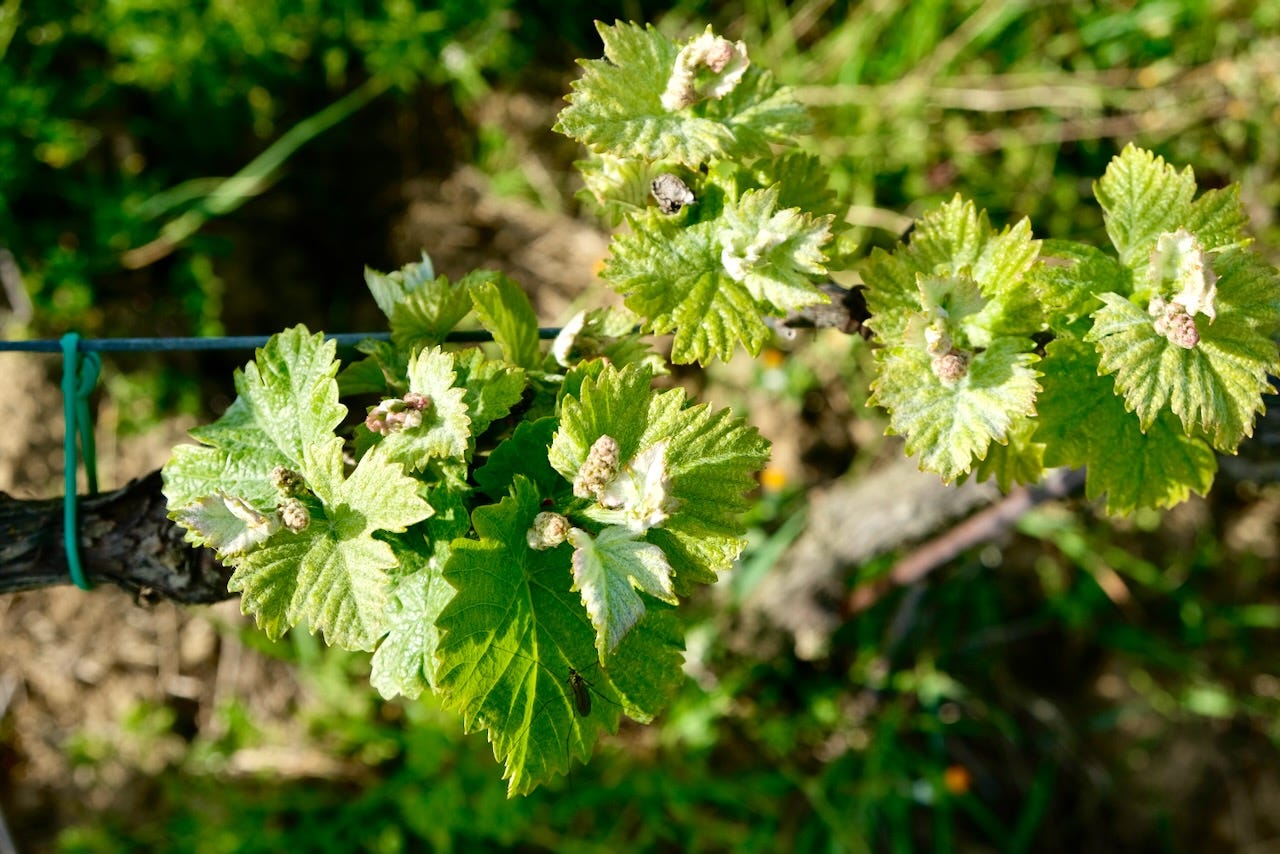
Robert Camuto interviews political philosopher Roberto Frega about his theory of “post-natural” wine. Frega argues that although natural wine “started as a conscientious and liberating movement, [it] quickly turned into dogma and marketing pap that gave cover to a lot of naïve, careless, and often anonymous liquids.” Happily, a new group of “post-naturalists” is returning to first principles and making much better wines. In his new book, Il Vino Post Naturale, Frega gives voice to a perspective that’s been sorely missing in the conversation about natural wine: It has done some good but can do better. I think in many ways the newest gestures are less post-natural and more pre-“natural,” made according to terroir-driven techniques that were forged in the pre-industrial era and have endured because they work. I’m hoping for an English translation of his book.
Exquisitely rare: a paid wine writing fellowship
Applications are open through 26 May for the Allen Shoup Fellowship, designed to introduce newer wine communicators to the wines of Washington State. Up to two writers will be selected, and the award includes travel expenses, accommodations, and wine samples along with a $3,000 stipend. The fellowship is coordinated by WA Wine, the state’s wine trade organization, a team that really knows their stuff. Washington terroir is diverse and the issues facing makers are unique. If you consider yourself “emerging,” throw your hat into this ring.
Every campus needs a cookie house
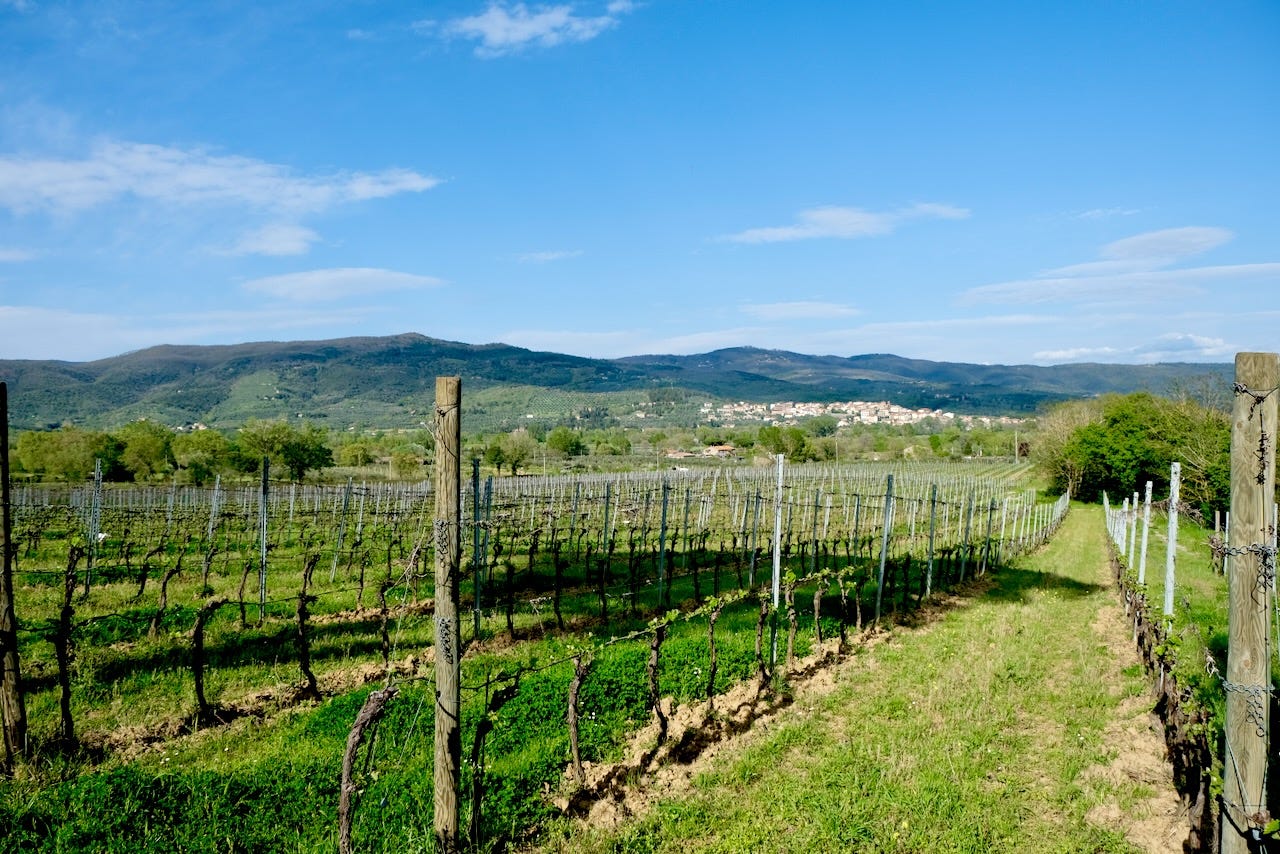
My husband attended Carleton College, in Minnesota, and after twenty-four years of marriage I thought I knew everything about it. But I was delighted to discover recently that Carleton has a cookie house: “a place where anyone from the campus, at nearly any hour, will find a pantry stocked with the ingredients for making chocolate-chip cookies.” Or really anything they want, provided they share it with others and clean up their mess. It started decades ago thanks to the generosity of a retired Carleton administrative assistant and, well—it’s a sweet story, in more ways than one, so you should just read it.
Roll your own press trip
Having taken scores of wine media trips, I’ve seen firsthand how costly and time consuming they are to produce. That’s why regions and wineries hire PR firms and travel agencies to attend to the details (c.f. costly). Recently, a group of six Regenerative Organic Certified (ROC) wineries in Paso Robles pooled talent, time, and resources to stage one themselves. “The plan was simple: invite writers from across the country to show them that Paso Robles is the epicenter of regenerative organic viticulture.” The team got help from related stakeholders, like Travel Paso and the Regenerative Organic Alliance, and assembled a swag bag of ROC goodies to hand out to the twelve journalists on the three-day tour. Tablas Creek’s marketing director, Ian Consoli, one of the organizers, detailed the process on their winery’s blog—in yet another example of the winery’s commitment to helping fellow producers.
More Brunello for the rest of us
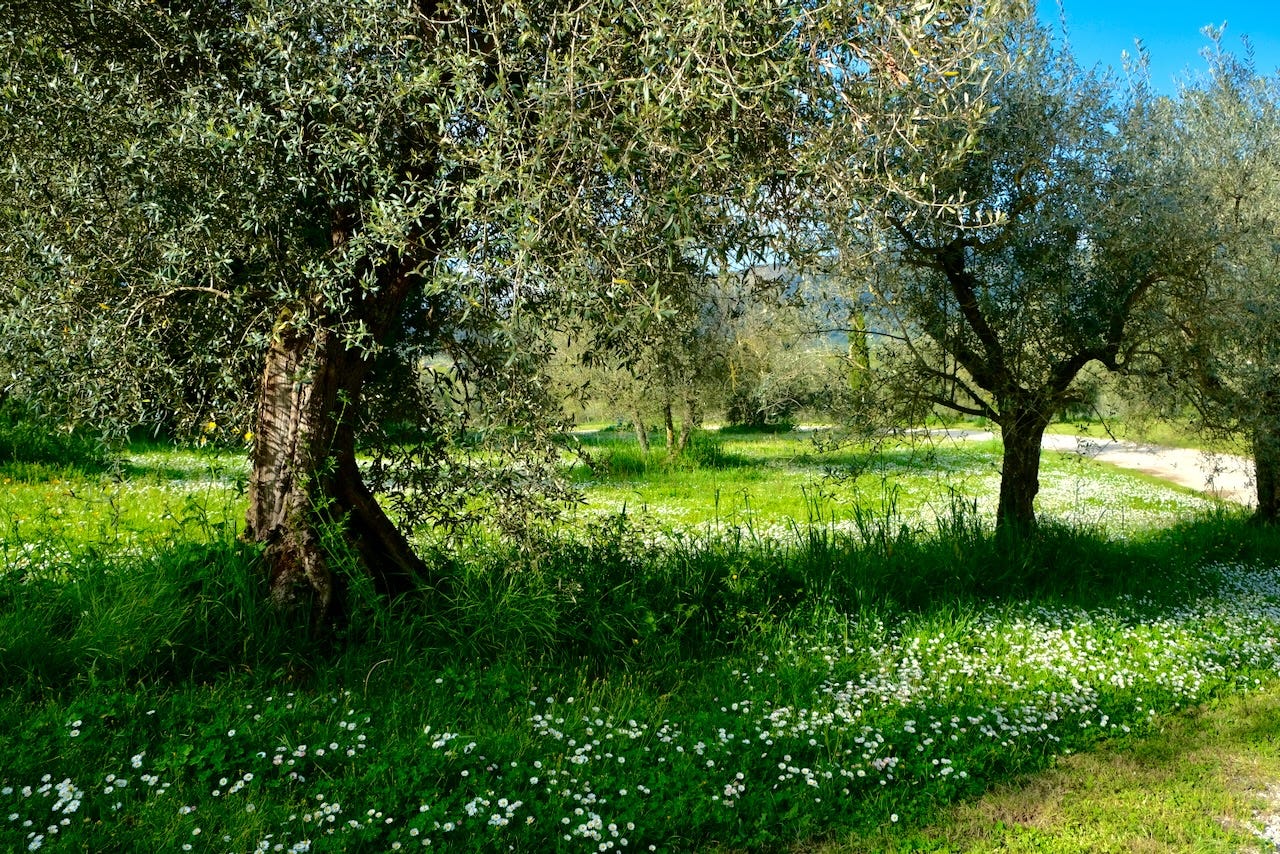
Jacqueline Coleman asks, “Is Brunello’s prestige earned or engineered?” The question was prompted by her Florentine wine writing colleague who eyes the style with animus. Montalcino was excluded from Chianti Classico for geographical and political reasons, prompting producers to push for their own DOCG to codify use of a local Sangiovese clone purposely developed by the Biondi-Santis. “This wasn’t the continuation of a long-standing regional tradition. It was a decision,” the argument goes, and “if Brunello is defined more by decision than by difference, then its identity begins to look less like nature and more like narrative.” But grapes always wander, sometimes by accident, often on purpose, and it should not feel surprising when makers create deliciousness from old things in new places. Coleman decides the wine’s success justifies its existence: “Brunello does what great wine is supposed to do: it ages, evolves, and tells a consistent story over time.”
The man, the mystique, the mystery of it all
Years ago, interviewing Vasco Croft on his patio in Vinho Verde, I snapped to attention when he remarked that “all kinds of people are doing biodynamics who not only don’t know Steiner’s thinking, but they’ve never even been through the biodynamic lectures. Writers write about biodynamics and they don’t know what it is. They never took the trouble.” That was me. (Read my full interview here.) It took me a decade, but I finally blocked a few hours on a weekend to read all eight of Rudolf Steiner’s lectures on biodynamics, otherwise known as “The Agricultural Course.” In 1924, a group of farmers had invited him to Schloss Koberwitz to tell them how to apply his Anthroposophic principles to their working landscape. Steiner was not a farmer, not experienced with agriculture any way, and certainly did not grow or make wine, yet the methods he advanced a century ago became the basis of the biodynamics still practiced today. My friends, these lectures are… a lot. If you posses even modest fluency in science they will catapult you into a state of exasperated stupefaction. But read them anyway, because if you’re going to embrace something, or criticize it, or a mix, Croft is right: You should at least know what you’re talking about.
See you next week.
Images ©2026 Meg Maker
It's wonderful and laudable that you read the lectures - however I would say that biodynamics is not to be found there. I can recommend the best book to read about it at the moment - by Peter Selg - and it's called the agricultural course. It's all about the context in which Steiner gave the lectures.
As someone who has studied biodynamic practitioners for the better part of 15 years in wine written apps and served as conference program director of the international by dynamic conference sponsored by Demeter USA I can say the practitioners are the best source of information. I have interviewed many of them. One of the best is Jean Michel Comme.
It is also worth noting that the most of newest regenerative organic wineries are or were also certified Biodynamic - Tablas, Troon and Grgich Hills are good examples as well as Caine Thompson at Robert Hall whose research with Agrology sensors studied not just ROC but biodynamic practices. Thompson previously ran a biodynamic winery in New Zealand.
Secondly, I would say there is notable study conducted by two wine economics professors found that organically grown wines averaged six points higher in scores and biodynamic wines 12 points higher. This was in a study of 128,000 wine reviews over a 20 year period in various French wine publications. https://www.winebusiness.com/news/article/241973
Currently, experts are all looking to soil biology for more insights on better farming. Researchers today are most excitedly focused on enlivening and supporting the biological activity and soils rather than suppressing that with chemicals.
Researchers have found French viticultural textbooks from the 1800s that mention some of what we today call the biodynamic preps. So these were not created by Steiner.
Anthroposophy and biodynamics have become two different lanes in the eyes of all the wineries I've spoken with and there has been considerable tension in the biodynamic community for a long time that falls out along the lines between Wine and Food.
Steiner was not an advocate of wine - in fact, he thought it was detrimental to personal spiritual growth so it is ironic of course that many have come to appreciate biodynamics through wine.
One scientist in France is carrying on the most interesting biodynamic research in wine. His name is Lionel Ranjard and I recommend following him on LinkedIn. He is with the French government agricultural agency and based in Burgundy. To date, his research has shown enormous benefit from biodynamic practices in soil health as compared to conventional or organic soils.
It's great to continue to explore authentic sources of information about biodynamics as it represents what we now tend to call traditional ecological knowledge...a frontier for all.
I want to hugely support you in looking at primary sources and stopping the incredible amount of BS on what we call biodynamics today. We have a great bench of practitioners who can contribute their knowledge and should be given their due for decades of their experience. I am talking Paulo Bea, Romanee Conti, Beaucastel, Porter Creek, Brick House and so many more. Ask the vintners and the wine growers.
In conclusion a quote:
"English wine critic Jancis Robinson has said publicly that she can taste when a wine is biodynamic. Robert Parker has said biodynamic wines taste better. And French wine importer Kermit Lynch (who owns a vineyard in France) said he could taste the difference between conventional and biodynamic grapes. Until now, many considered such statements to be purely subjective."
It's time to dive in a little deeper.
Every time I think I cannot be more impressed with Tablas Creek they go and do something that impresses me even more.