


Bouquet is the aroma of mature wine
Bouquet is a derided term of wine speak, but it does useful work by summarizing complexity. Although often used interchangeably with aroma, many professionals reserve bouquet for the impression of development and maturity—the complex of aromas that arise as a result of cask and bottle aging.
Wine aromas are divided into three classes:
Primary aromas arise from the fruit itself and reflect its varietal character.
Secondary aromas develop when fermentation generates new aromatic esters.
Tertiary aromas develop as a result of chemical maturation and exposure to oxygen.
Bouquet generally describes those tertiary aromas, the overall aromatic impact of a mature wine that has been aged in cask and bottle. You might see it mentioned specifically as bottle bouquet. The cutoff is not neatly agreed, however, as some commentators include fermentation aromas under the umbrella of bouquet. But the principal distinction is between youth and age.
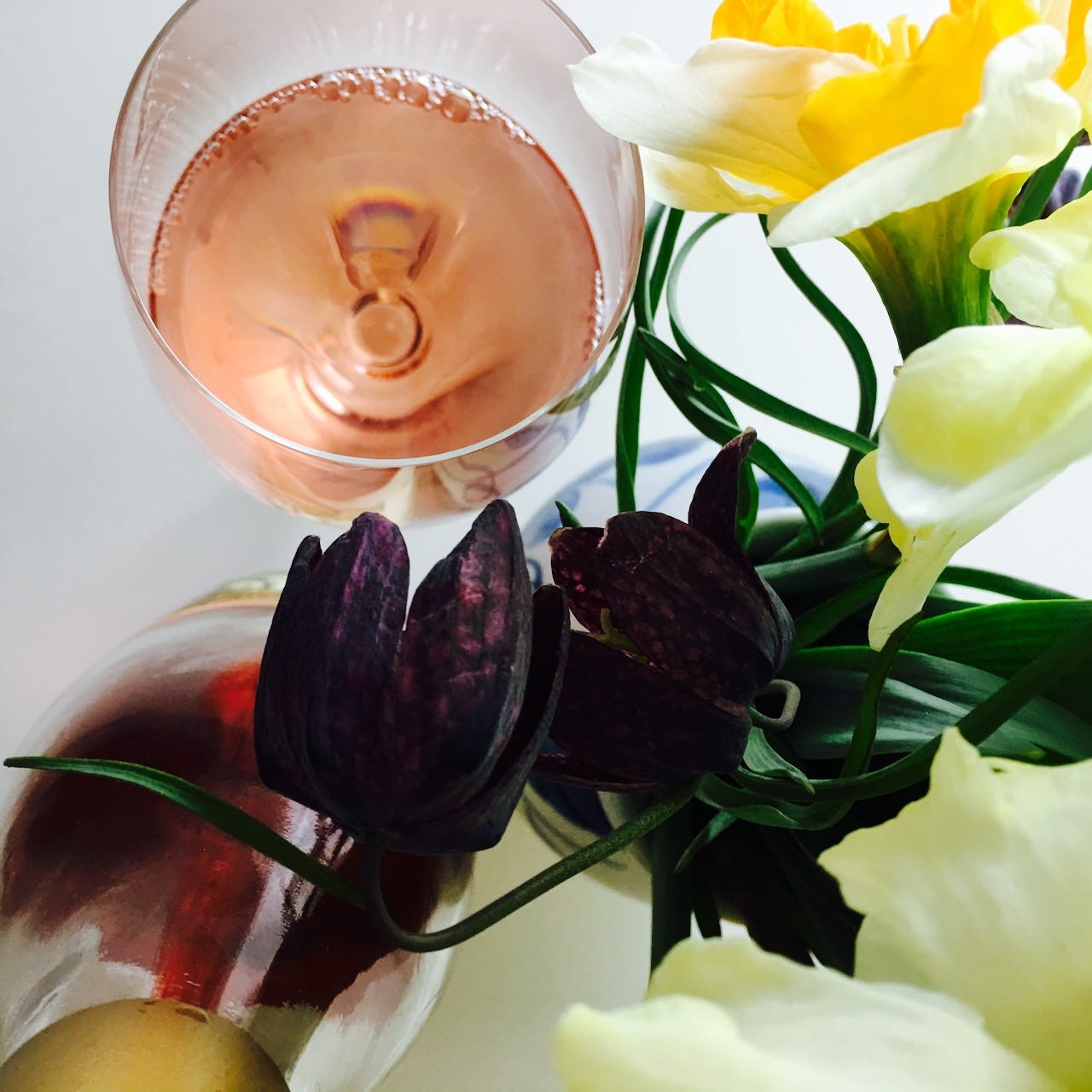
The word is from French, and we use it also to refer to a bunch or bundle of assorted flowers. So think of bouquet as a bundle of assorted aromas whose overall impact is more than the sum of its parts.
Talking about bouquet in wine
Bouquet is generally used for favorable aromas that develop as the wine matures. Specific terms used for these positive tertiary or aging notes include:
Red wine: truffle, leather, dried fruit, earth, tobacco, sandalwood, balsamic
White wine: honey, dried fruit, nut, toast, beeswax, sherry
Rosé wine: dried fruit, dried flowers, tea
Orange wine: earth, tea, dried stone fruit, spice
Sparkling wine: brioche, biscuit, nut, toast, caramel
Sweet wine: honey, caramel, beeswax, nut, marmalade, sultana, marzipan
Bouquet is a useful short-hand to summarize these impressions, letting you simply name one or two that seem most prominent.
Homework: Use bouquet in a sentence this week without irony or embarrassment. Bonus points for bottle bouquet.
Read about some wines with bouquet


Image ©2026 Meg Maker
If you know, how did a floral term like "bouquet" get associated with tertiary aroma in the first place? It's a weird disjunction: the language of the most ephemeral / transient thing within the universe of primary aromas being used to talk about longevity.
I see Stephen below has pre-empted me, I think the lay failure to distinguish between aroma and bouquet is completely logical and hopefully with common usage these will eventually be recognized as synonyms. I asked google to define bouquet and they gave me this: 3
a
: a distinctive and characteristic fragrance (as of wine)
The wine has a lovely bouquet.
Nuff said!