


It’s late autumn in New England, and harvest is done. We have at last conceded our fate and moved indoors. It’s time to lay a fire in the hearth, light the oven, and excavate stew pots, roasting pans, and baking dishes from the dark recesses of our cupboards.
It’s time to cook comfort food.
The traditional northeastern Thanksgiving meal is comfort food’s quintessence, a celebration of cooking. (There are few raw foods on the Thanksgiving table—at least in my New England home.) And because it’s also a collective sigh of gratitude for our good fortune, the meal is ablaze with a spectrum of flavors:
Savory: roasted poultry, gravy, dressing
Buttery: mashed potatoes, buttered vegetables, pastry, pie
Herbal: sage, thyme, savory, bay, parsley
Earthy: potatoes, mushrooms, root vegetables, dark meat turkey
Creamy: gratins, mashed potatoes, creamed spinach, whipped cream
Salty: cheese, olives, croutons, roasted nuts
Sweet: squash, yams, pie
Tangy: cranberry, fruit relish, pickles
Bitter: spinach, chard, kale, collards, walnut
Spicy: nutmeg, allspice, cinnamon, pepper
Nutty: chestnut, pecan
Given such variety, it’s no wonder people get flummoxed when choosing wine for the meal. No single wine pairs perfectly with all of these New England flavors, although many bridge multiple dishes. Off-dry Riesling’s a traditional example; also Pinot Noir and Gamay-based Beaujolais. Sparkling wines almost always work. That’s why these wines are classic recommendations.
But there’s no need to stick to one wine, or a single white and red. Pouring a range of wines echoes the theme of abundance and provides options with the medley of flavors.
Some general guidelines to get started
Below are a handful of recommendations to aid your planning:
Consider the style of your gathering. Nuanced wines, such as older vintages or delicate whites, can get drowned out by a boisterous party. If you’re hosting a large crowd, look for wines with enough oomph to stand up to robust flavors (and robust discussion). On the other hand, if you’re planning a quiet celebration, smaller and slower paced, it is a great time to open special wines over which you want to linger.
Keep alcohol levels low so diners stay alert. This is especially important if your meal is served midday. Look for wines at or below 13% alcohol, preferably 12.5%. That’s increasingly difficult now that hotter growing seasons are driving potential alcohol higher. Wines from cooler climates (higher latitude or higher elevation or both) are often good options. Sweet wines tend to be lower alcohol, because their sugar hasn’t been completely converted into alcohol by the yeasts.
Avoid youthful, jammy, heavily extracted wines. These often feel too heavy with a big meal and can overwhelm more delicate dishes. Choose wines with good acidity and moderate tannins. However, structured reds with substantial bottle age—Barolo, Bordeaux, or California Cab—can be magnificent, their smooth texture and nuanced flavor providing a sublime complement to food.
Consider serving American or local wines to echo the theme of the holiday. Hard ciders, ales, and mead are terrific with traditional harvest foods sourced from the same region. Dry hard cider in particular is a great Thanksgiving beverage. Wine is made in all fifty states, and your local producers would be thrilled to be featured on your table.
Offer non-alcoholic beverage options that are as complex as wine. In addition to still and sparkling water, try sweet ciders or batch mixes of sparkling water with fruits, herbs, teas, or bitters. Cranberry, pomegranate, apple, citrus, ginger, sumac, and rosemary are good flavor choices with this meal.
Honor guests’ taste preferences. Some people love sweet wines, others balk. Some people only drink white wine, or only red. Mysteriously, some people shy from rosé. This is another reason to offer a range of styles. Guests may look to the host for guidance, so you can encourage exploration and discovery.
Lean on your local merchant for advice. It’s not their first rodeo. They know their inventory and will gladly recommend specific categories or bottles, and they can also advise on quantities (ask if they’ll take back extras).
Thanksgiving pairings by wine style
Below are ten categories of wines that harmonize with the traditional northeastern Thanksgiving meal. I’ve listed some classic recommendations along with alternatives to try. If you plan to offer a range of wines, consider buying one from each category and discovering what diners prefer. You may be surprised!
SPARKLING WINES
Sparkling wines are cleansing and celebratory. They stimulate the appetite, and their bubbles scrub the palate clean between bites. Often low in alcohol, they’re great starter wines to serve with hors d’oeuvres and other crispy pre-game snacks. On the other hand, consider serving sparkling throughout the meal. Why not? It’s low alcohol, fun, and remarkably flexible. You can choose blanc de blancs, blanc de noirs, or rosé at a variety of sweetness levels; I prefer Extra Brut or Brut, but some will love Extra Dry for its touch of sweetness, which poses a nice counterpoint to salty-savory dishes. Undisgorged wines, which still have the lees in the bottle (pét-nat or wines marked col fondo or sui lieviti), tend to be especially savory.
CLASSIC PICK: Champagne, in any style. Choose aged champagne if you can find (and afford) it, and aged grower champagne if you’re feeling extra fancy.
ALTERNATIVES: Crémant, made like champagne but elsewhere in France, especially Alsace, Loire, Bordeaux, and Burgundy; Método classico, made like champagne but in Italy (Trentodoc, Franciacorta); Charmat or tank-method Italian wines like Prosecco Superiore, especially Brut or Extra Brut
BOLD CHOICE: Lambrusco (bonus points for choosing this dry red Italian sparkler, which doesn’t get enough respect; it’s really nothing like Cold Duck)
SPIRITED WHITES
Whites that feel refreshing—lighter-bodied, lower-alcohol, with firm acidity—harmonize with lighter dishes and starters, especially vegetables and vegetarian fare. They match the piquancy of cranberry relish, pickles, and conserves while cutting the richness of butter and cream-based dishes.
CLASSIC PICK: Dry Riesling
ALTERNATIVES: Chablis, unoaked Chardonnay, Sauvignon Blanc, Vermentino, Soave, Picpoul, Muscadet, Grüner Veltliner, Albariño
BOLD CHOICE: Etna Bianco (made from Carricante)
FULL-BODIED WHITES
These wines seamlessly integrate with lighter poultry, gravy, butter and cream-based dishes, and butter-dressed vegetables. They have the body to stand up to bold flavors but enough acidity to offset their richness, and their flavors won’t swamp delicate foods.
CLASSIC PICK: Chardonnay
ALTERNATIVES: Chenin blanc (Loire, South Africa), Pinot gris, Pinot blanc, Assyrtiko (especially aged), white Bordeaux (made from Sémillon and/or Sauvignon blanc), white Rhône blends, Rioja Blanco, Fiano di Avelino
BOLD CHOICE: Arneis
WINES WITH LIGHT SWEETNESS
These wines feel harmonious, integrating with squash, yams, cornbread, and other sweeter dishes and balancing spicy or salty ones. Perceived sweetness comes from actual residual sugar in the wine, but floral and fruit notes can give a similar impression.
CLASSIC PICKS: Off-dry Riesling, Gewürztraminer
ALTERNATIVES: Viognier, Muscat/Moscato, Brachetto d’Acqui, Sparkling wines labeled (confusingly) “dry”
BOLD CHOICE: Vouvray (made from Chenin blanc; look for the sweeter styles)
ORANGE OR AMBER WINES
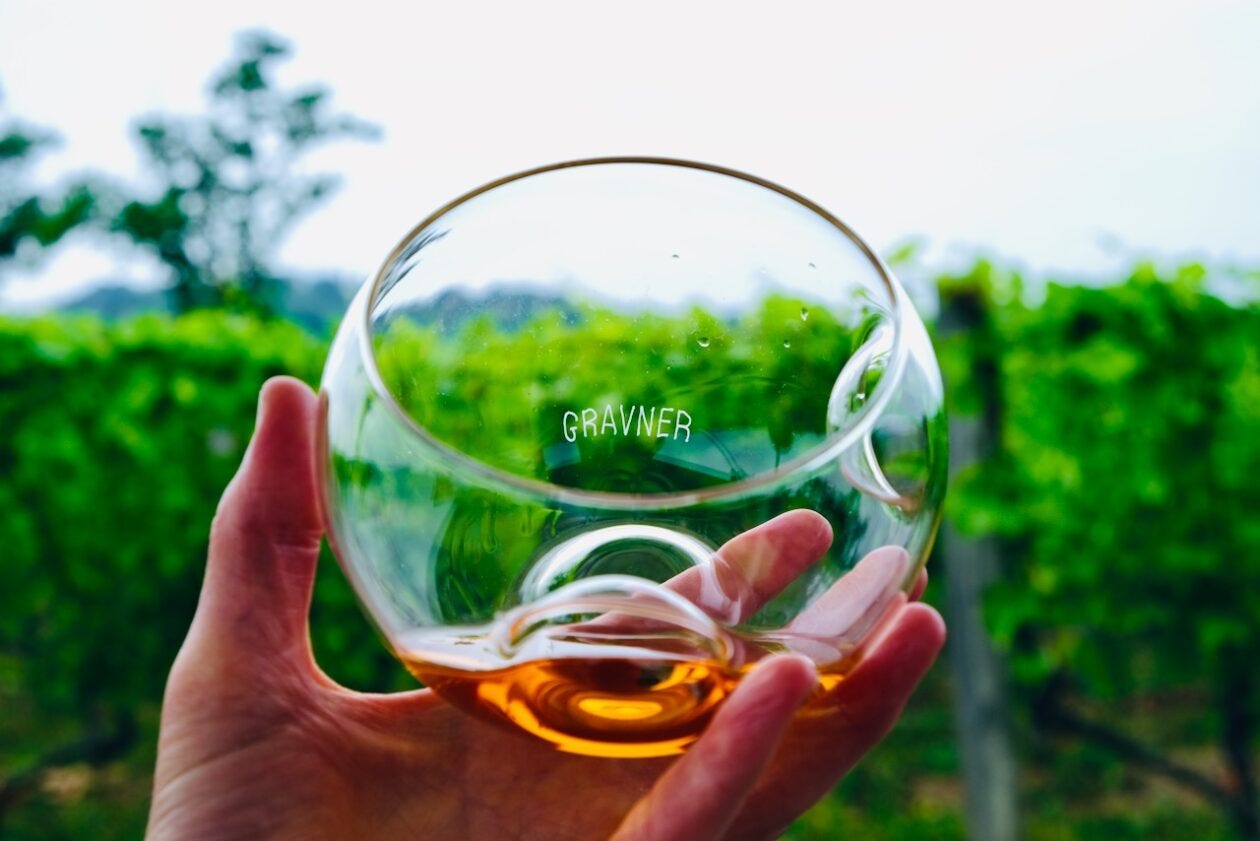
This style is made from white grapes whose skins stay in contact with the juice for a while, giving the wine color and texture. Their mild tannic grip cleans the palate after rich food. The skin contact also burnishes the wine, adding tawny fruit notes that complement many Thanksgiving flavors. Amber wines are historically produced in Georgia, Slovenia, and northeastern Italy using grapes indigenous to those regions, but are now made worldwide from many varieties and blends. This is the hardest category in which to offer specific suggestions because of its diversity. Again, ask your merchant for help.
CLASSIC PICK: Amber wine from Georgia, made in traditional qvevri vessels
ALTERNATIVES: Pinot grigio Ramato; amber wines from Friuli-Venezia Giulia, Emilia-Romagna, Slovenia, Croatia, California, Oregon, Vermont
BOLD CHOICE: Gravner Ribolla Gialla
CIDER
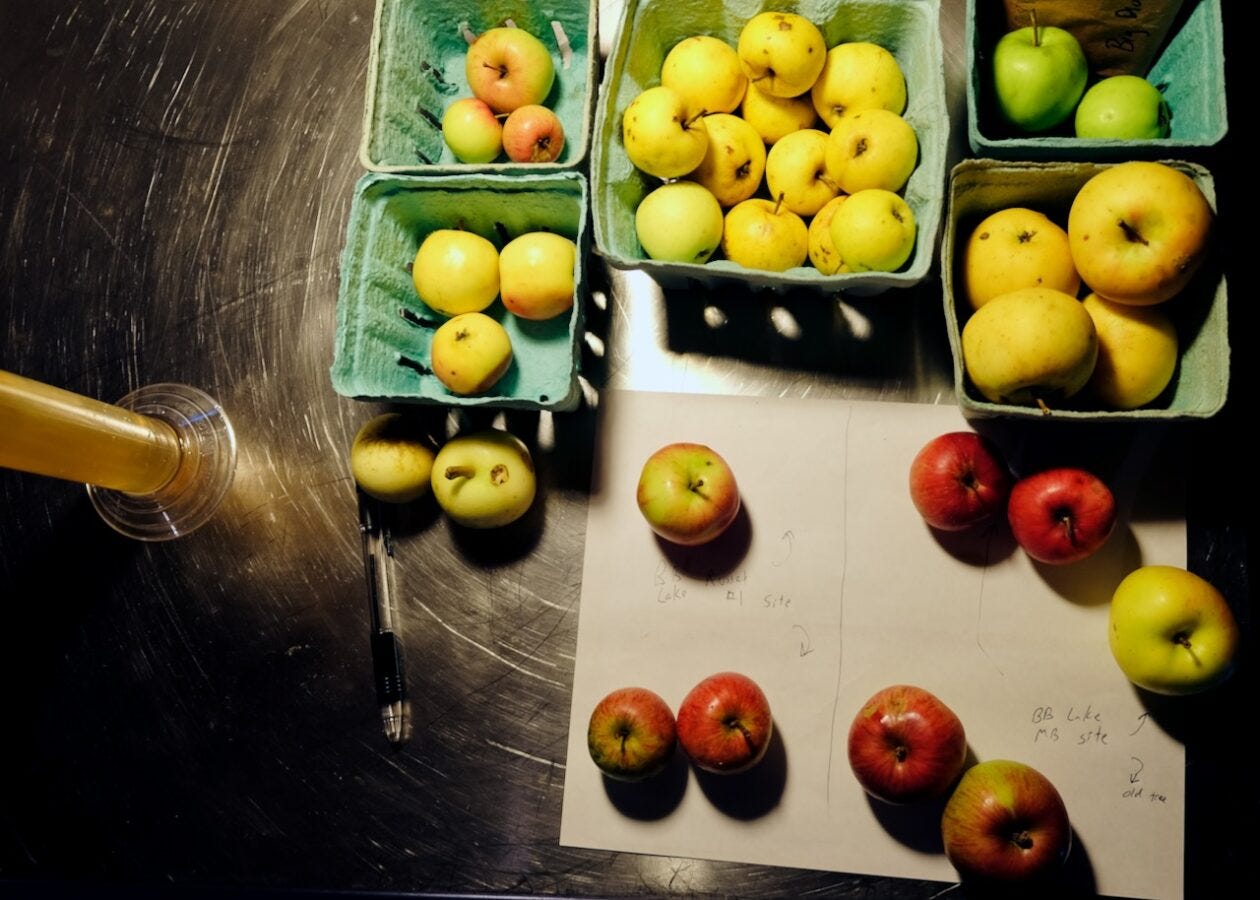
Over the last decade, the cider scene in America has gone from meh to wow, and now the big (sweet, boring) brands elbow for shelf space with small-batch ciders pressed at harvest, bottle conditioned, and finished dry. (I made a short film about their ascendancy in Vermont.) The category also includes ciders co-fermented with other fruits, including grapes. Cider grew up with the traditional foods of New England, and apples really sing in the key of the meal.
CLASSIC PICK: Dry cider
ALTERNATIVES: off-dry cider, pét-nat cider (undisgorged)
BOLD CHOICE: Cider co-fermented with fruits or herbs
ROSÉ
Pink wines offer lively acidity and sometimes have more body and flavor than white wines, letting them stand up to bigger foods. Their berry notes make them good with roasted poultry, vegetable dishes, and vegetarian fare, and also cut the richness of creamy dishes. They’re harmonious with fruit relishes and other tangy sides, too.
CLASSIC PICK: Provence rosé
ALTERNATIVES: Côtes du Rhône, Sancerre, rosé of Pinot noir (California, Oregon, Austria, Germany, Loire), Etna rosato, Bardolino Chiaretto, Cerasuolo d’Abruzzo
BOLD CHOICE: Tavel or Bandol
JUICY REDS
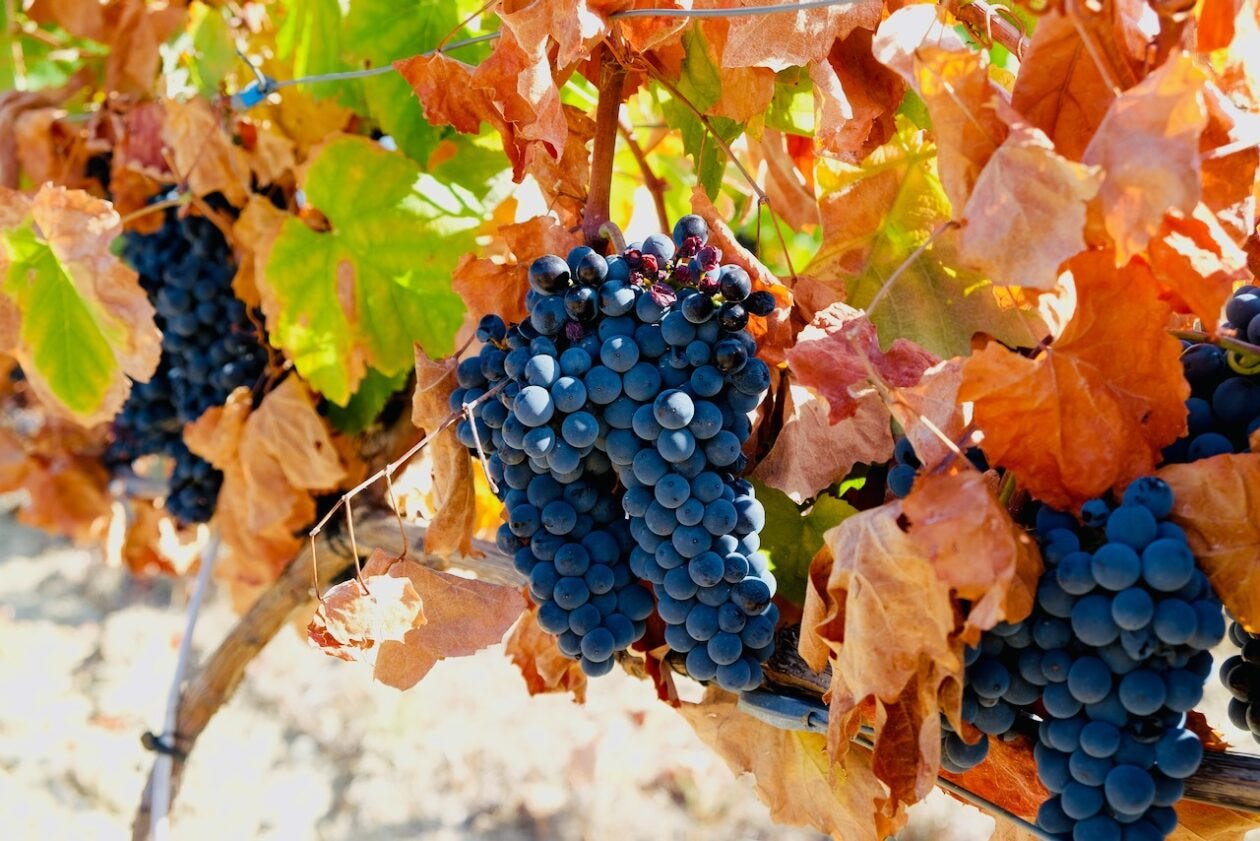
These are the reds that feel vibrant, wines with firm acidity and supple tannins. They balance dark-meat turkey and light meat, too. They also pair peerlessly with gravy, dressings, and gratins, and they’re light enough for vegetarian fare. Think of a juicy red as cranberry sauce in a glass.
CLASSIC PICKS: Cru Beaujolais, Pinot Noir
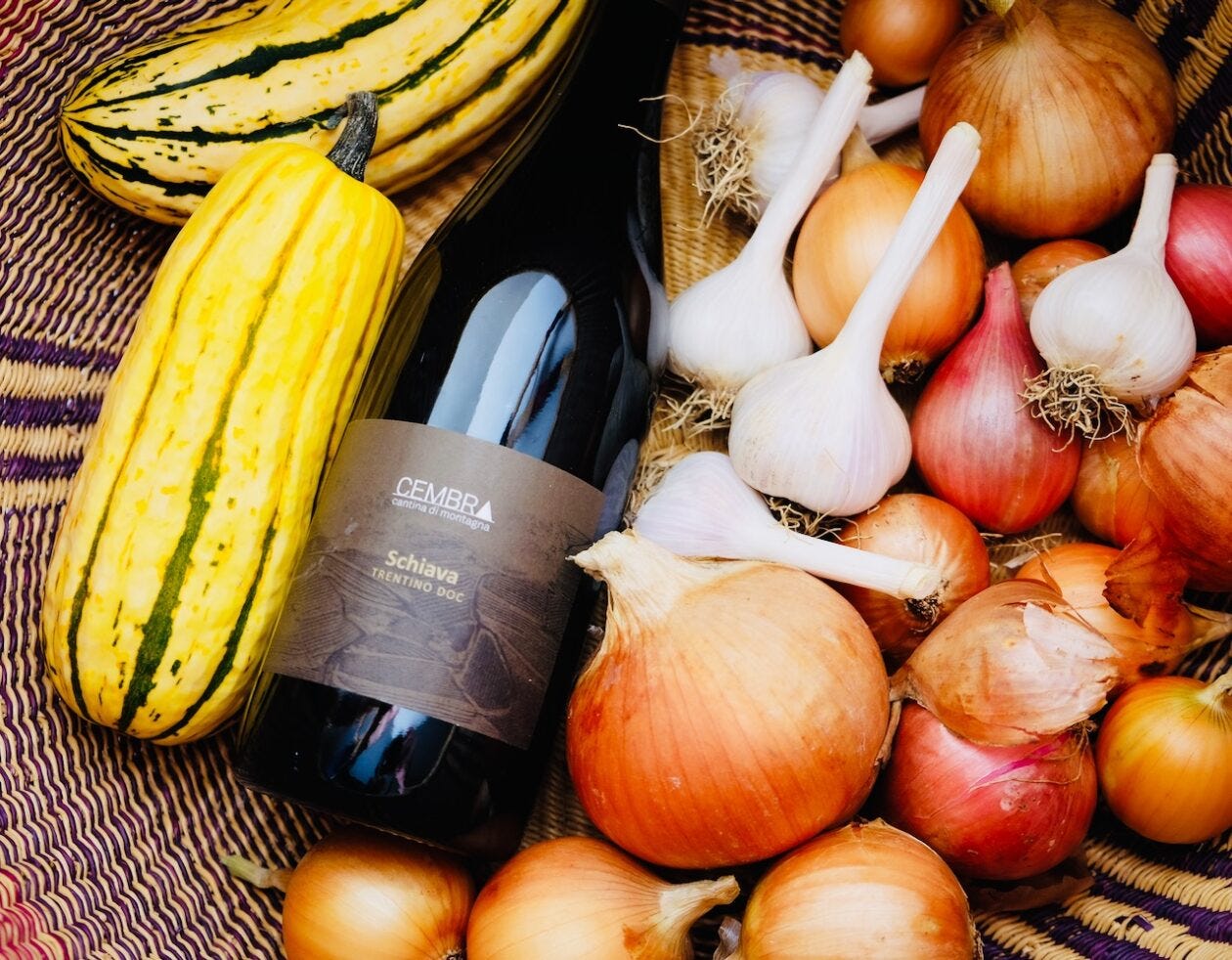
ALTERNATIVES: Grenache, Cabernet Franc, Pineau d’Aunis, Malbec, Barbera, Dolcetto, Frappato, Schiava, Langhe Nebbiolo, Blaufränkisch, Zweigelt, Poulsard
BOLD CHOICE: Etna Rosso (made from Nerello Mascalese)
SAVORY REDS
Their richness complements the darker flavors on the plate: dark meat turkey, sausage or chestnut dressing, potatoes. Carignan is a doppelgänger for cranberry; herbal and peppery notes in Syrah and Rhône reds pick up sage, thyme, savory, and other seasonings.
CLASSIC PICK: Zinfandel
ALTERNATIVES: Merlot, Chianti Classico, Valpolicella, Rhône and Rhône-style reds, Syrah, Rioja, Monastrell/Mourvèdre, Barolo and Barbaresco (preferably aged), Douro reds
BOLD CHOICE: Brunello (or Rosso) di Montalcino
DESSERT WINES
This is an enormous category, ranging from lightly- to super-sweet. The best have solid acidity that prevents them from feeling treacly. They must be sweeter than the dessert lest they seem flabby. Tawny Port and Madeira are especially good with pecan and pumpkin pie. Sweet white wines work well with fruit desserts. Lightly sweet sparkling wines feel especially welcome after a big meal.
CLASSIC PICK: Tawny or vintage Port
ALTERNATIVES: Late-harvest Riesling or Gewürztraminer, Sauternes, Muscat de Beaumes de Venise, Madeira, Recioto di Soave or Recioto della Valpolicella, Vin Santo, Jurançon, ice cider
BOLD CHOICE: Any sweet sparkling wines, which will be labeled dry (sec), demi-sec, or sweet (doux)
Still confused? Keep it simple. Grab some Riesling, Pinot Noir, and a bottle of your favorite bubbly. After all, Thanksgiving is not really about the wine, but it is consummately about tradition.
This article was originally published in November 2012 and is refreshed periodically, most recently in November 2025. Photos ©2025 Meg Maker.
In the chaos of a Thanksgiving/holiday meal, I suggest pairing the diner with the wine rather than the wine with the dinner. As a wine writer, I know some pairings will leave me aghast, but if that is what she/he likes, this is about their joy not mine. When in doubt, bring your own bottle of pinot noir or sparkling (or both). If it will be a lengthy Bacchus feast, be sure to pair your vino sips with water sips. Doing so will make Black Friday less saturnine.
Classic, and always worth another look!